guides
How to read beer freshness dates before you buy
Beer packages may show packaged-on, canned-on, bottled-on, best-by, or Julian dates. Freshness matters most for hop-forward and delicate beer.
The archive
Independent beer reviews, useful education, and field notes from the taproom side of culture.
Beer packages may show packaged-on, canned-on, bottled-on, best-by, or Julian dates. Freshness matters most for hop-forward and delicate beer.

Verified brewery news for October 26–November 1, 2026: Vermont's first brewpub sets its last day, Jester King seeks a buyer, and Tilray trims its breweries.
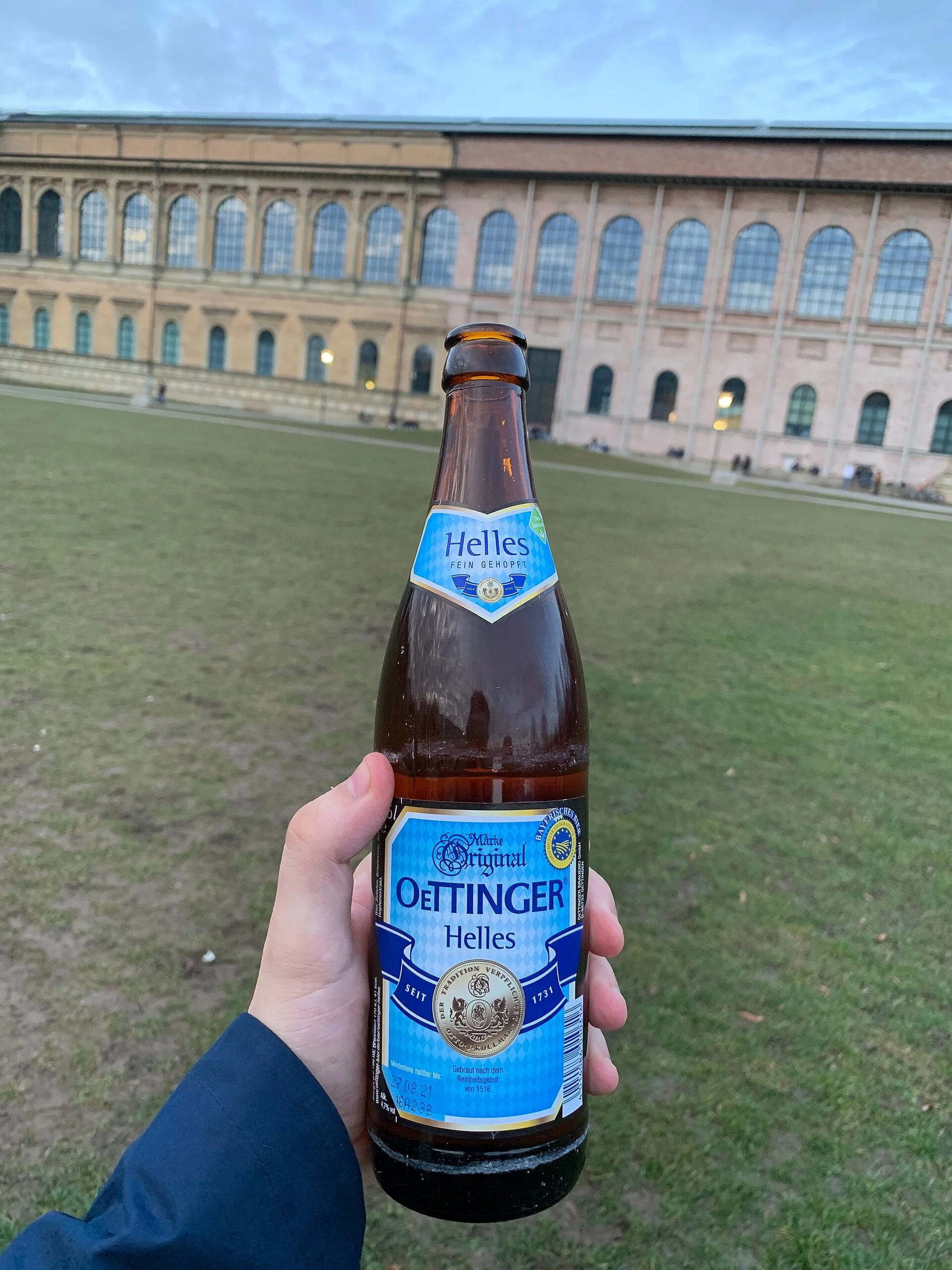
Munich Helles is a pale German lager with soft bread-like malt, restrained bitterness, clean fermentation, and a smooth dry finish.

Pair beer with Halloween candy by sweetness, roast, fruit, salt, and intensity. Use small pours and keep the beer sweeter than the candy when possible.
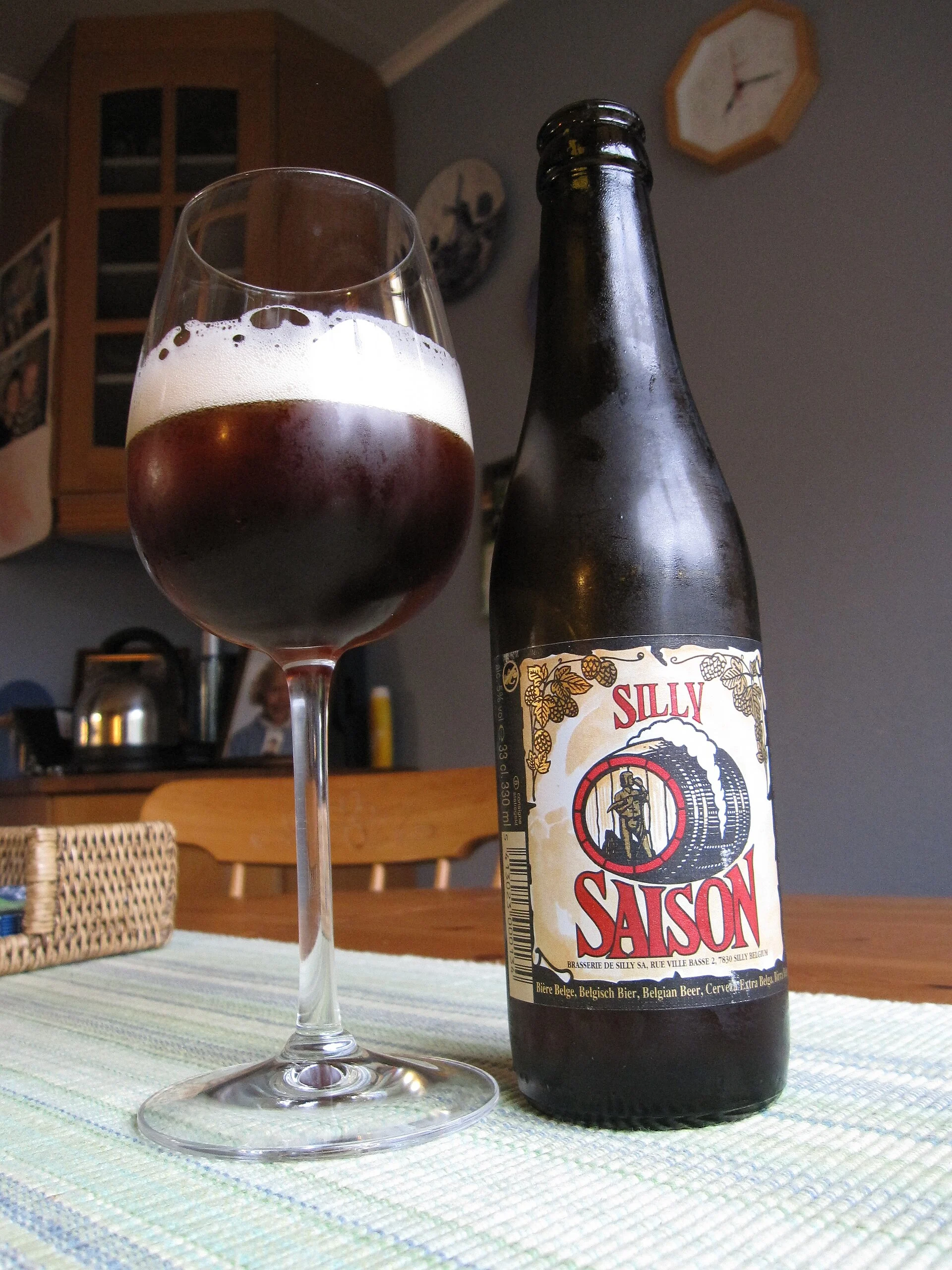
Saison is a highly attenuated Belgian farmhouse ale with dry fermentation, lively carbonation, fruity or peppery yeast, and flexible strength.
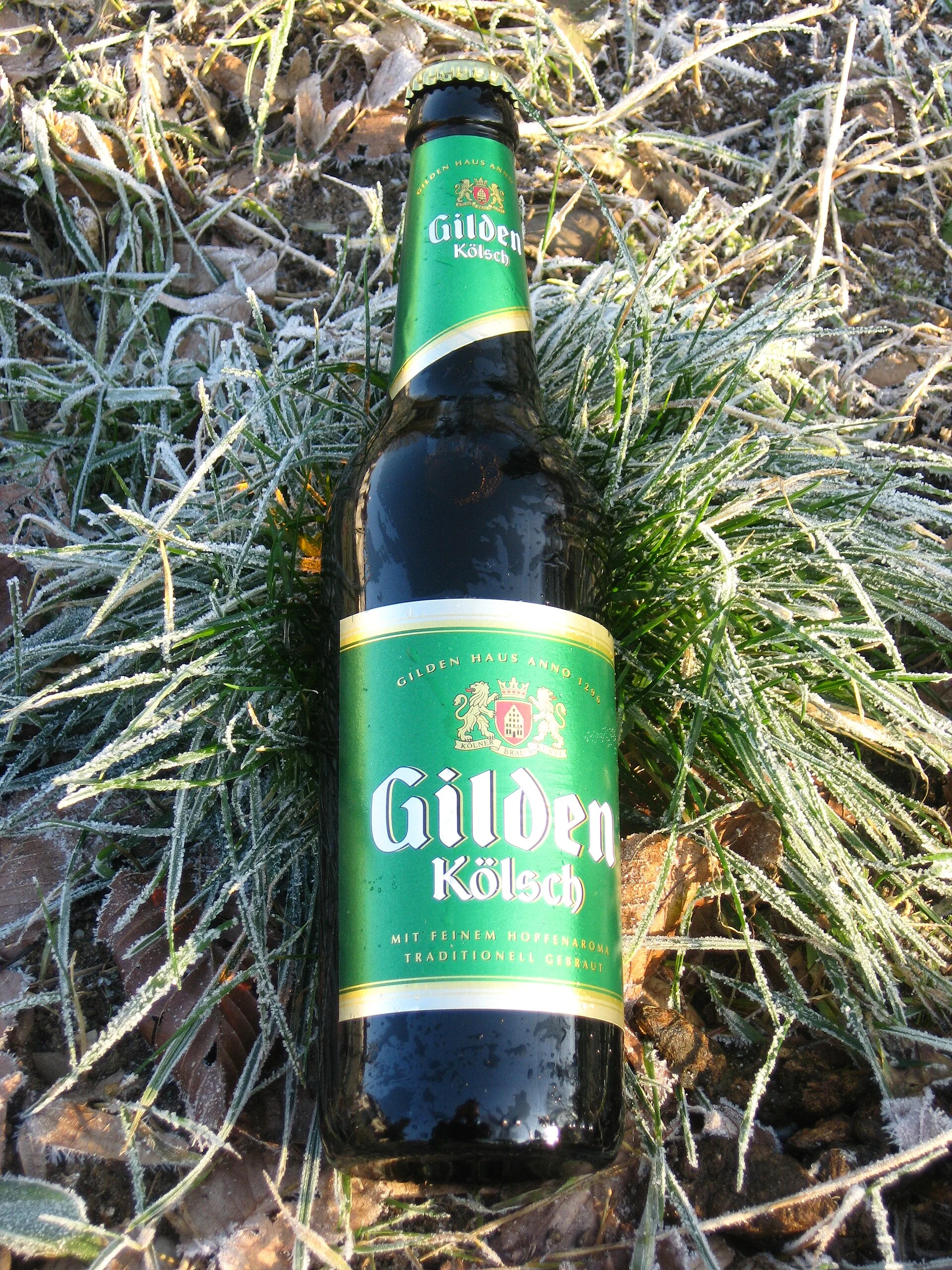
Kölsch is a pale, highly drinkable beer from Cologne that is fermented as an ale and cold-conditioned for a clean, delicate finish.
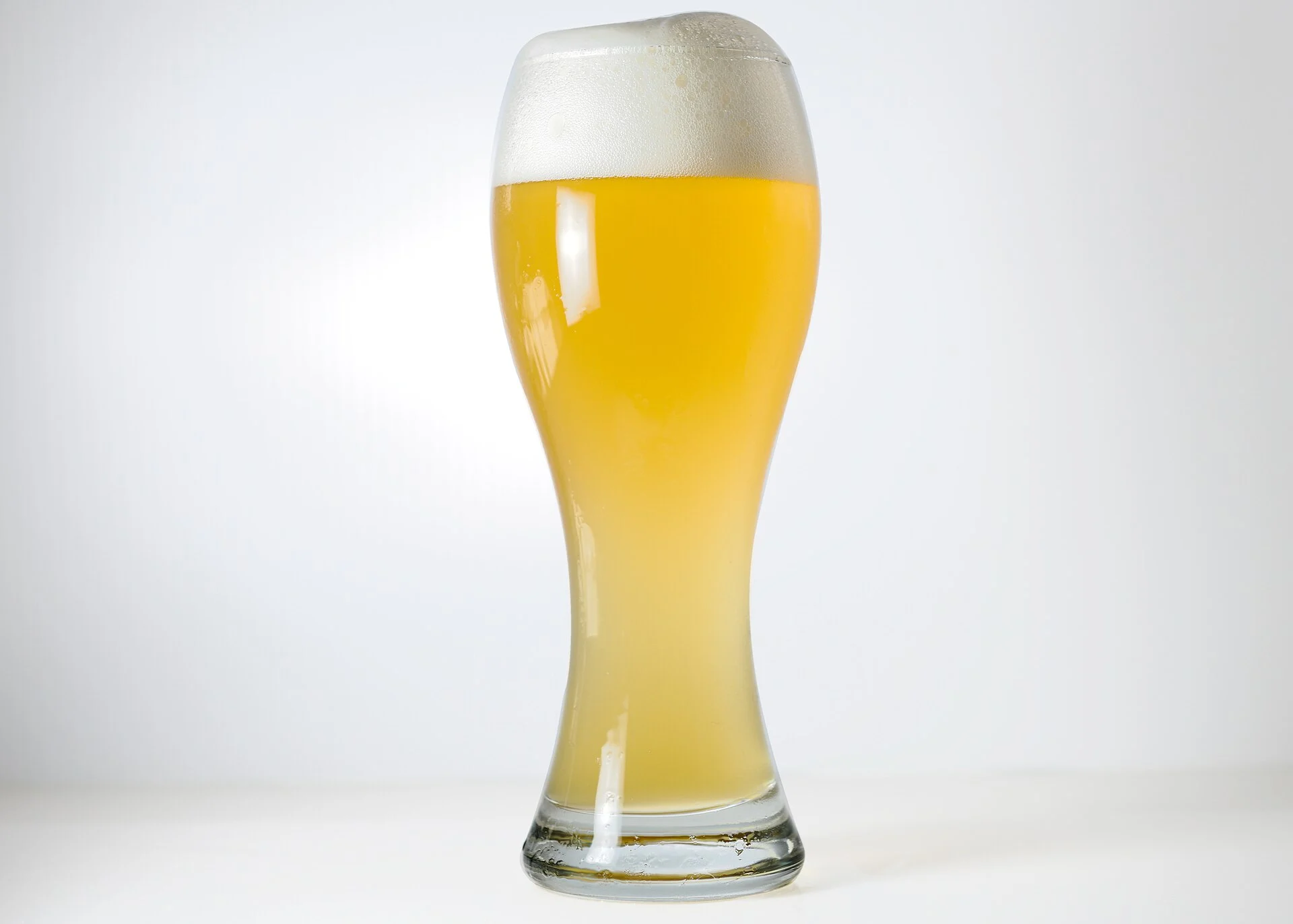
Hefeweizen is a German wheat beer with banana and clove-like fermentation character, high carbonation, a cloudy body, and little bitterness.
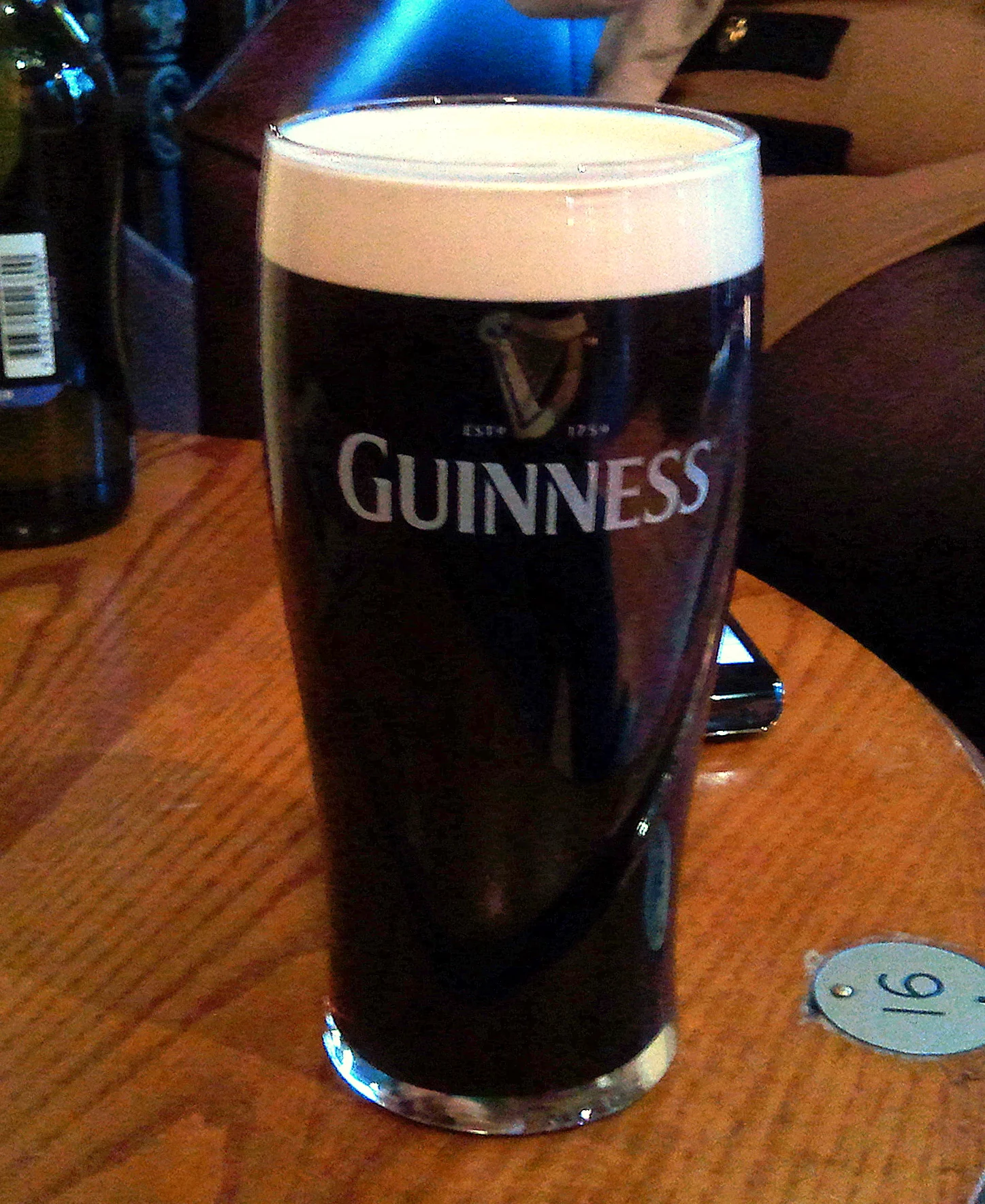
Nitro beer uses nitrogen with carbon dioxide to create fine bubbles, a cascading pour, dense foam, and a smoother-feeling texture.
Light lagers and delicate beer show well colder, while stronger and darker styles reveal more aroma as they warm. Avoid freezing any style.

Verified brewery news for October 19–25, 2026: Buffalo's Chandler Street breweries close, Stone's bistro becomes Quarry, and Dark Lord reaches retail.
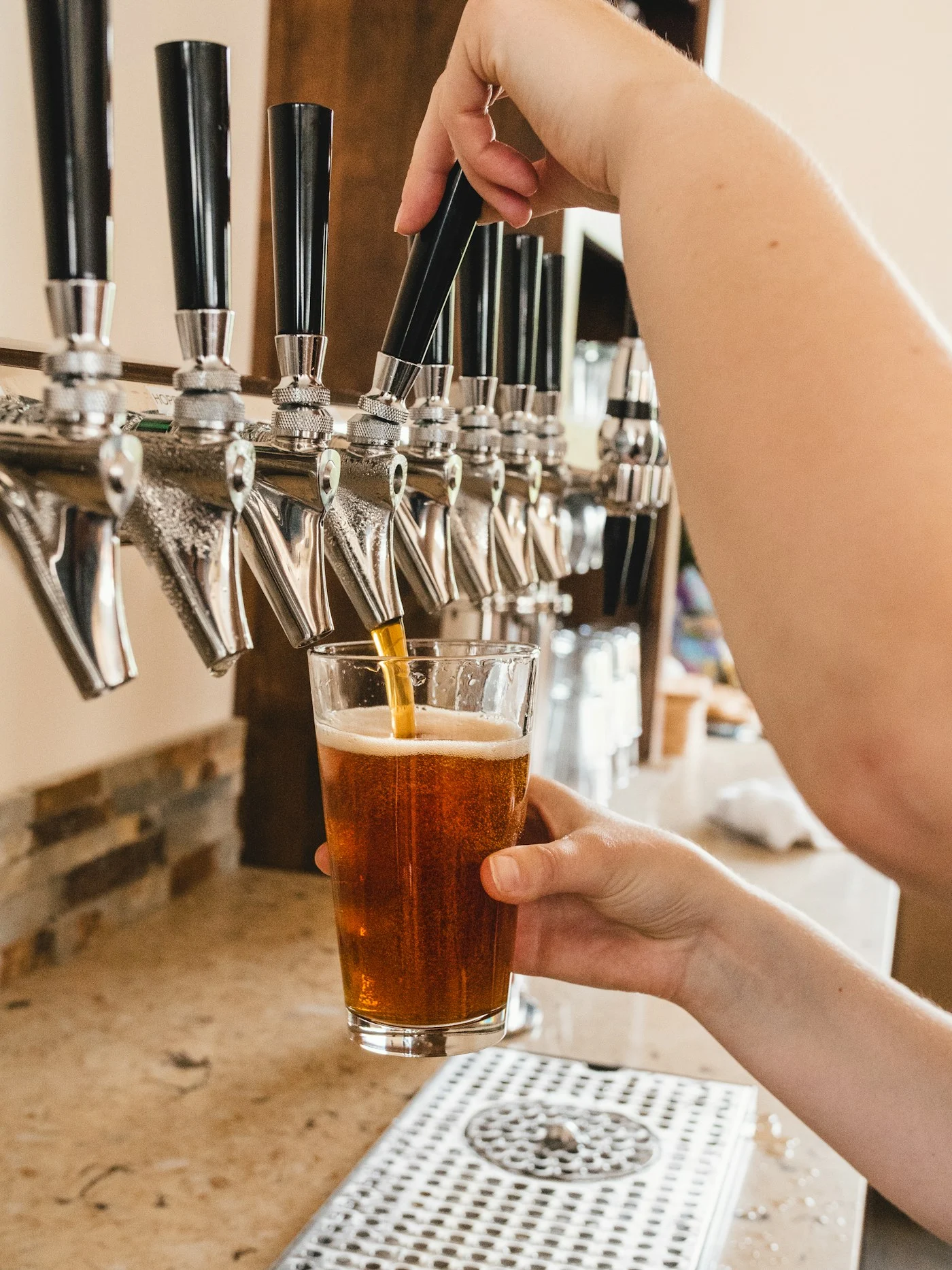
Tilt the glass, pour down the side, then straighten to build a controlled head. The goal is aroma and texture without a glass full of foam.
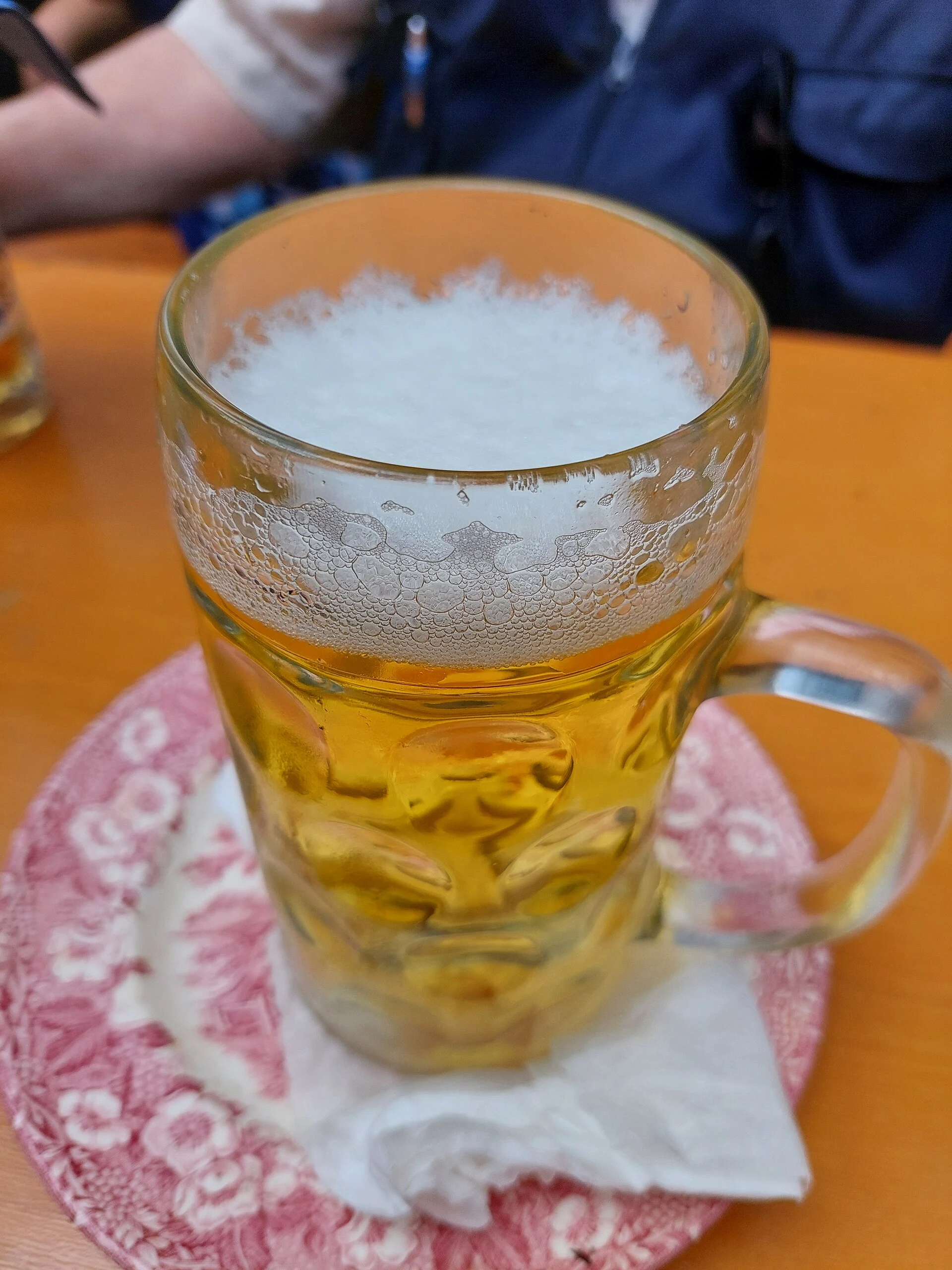
Beer foam comes from carbon dioxide and foam-active compounds from malt and hops. A stable head can carry aroma and improve texture.
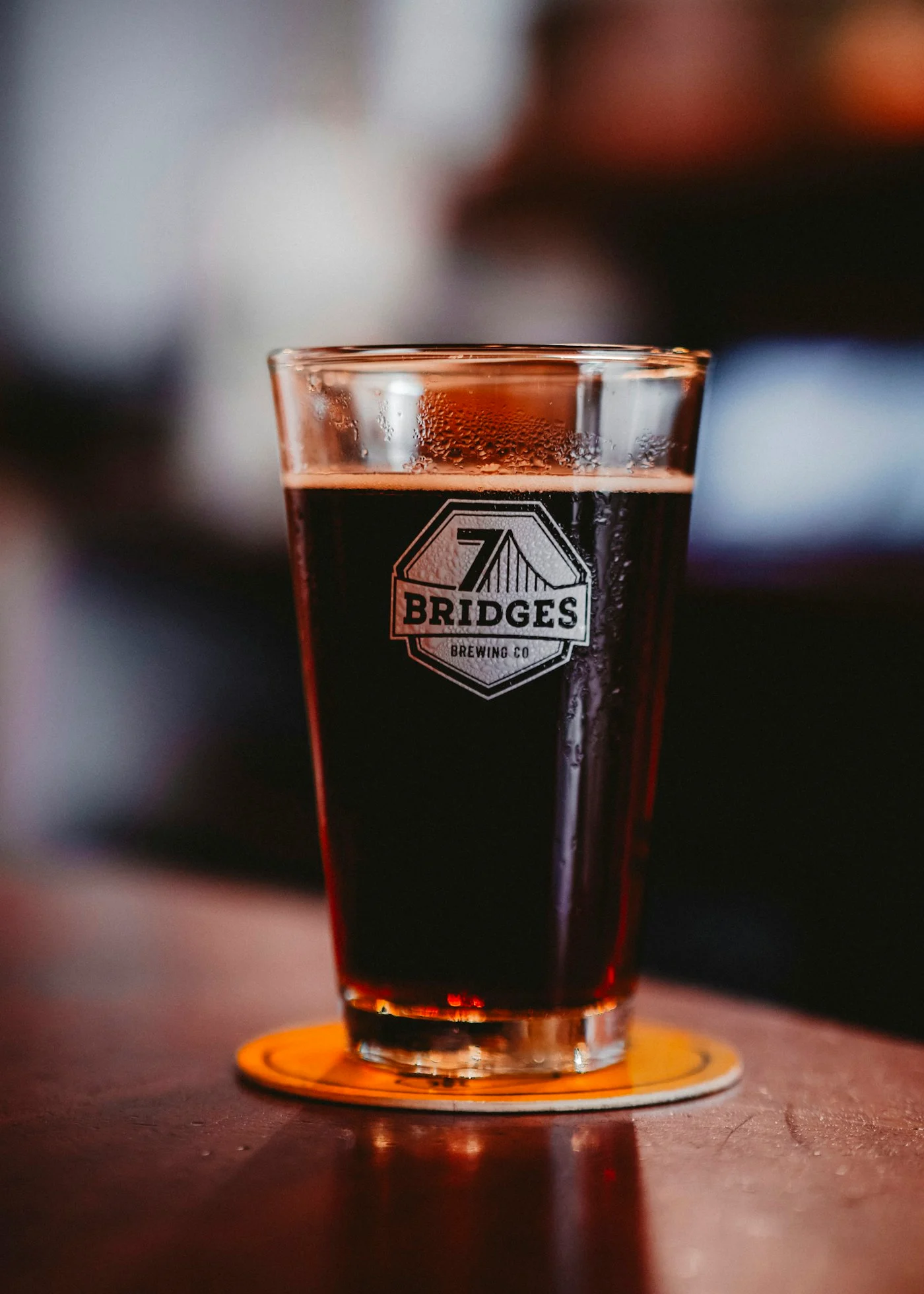
American brown ale combines chocolate, caramel, nuts, toast, and supporting hops while stopping short of porter or stout roast.

Plan a Massachusetts brewery trip with 12 independent picks, from Tree House in Charlton and Trillium in Boston to Jack's Abby lagers and Cape Cod Beer.

American amber ale combines caramel malt, toast, and moderate hop character. It is darker and maltier than pale ale without becoming porter-like.
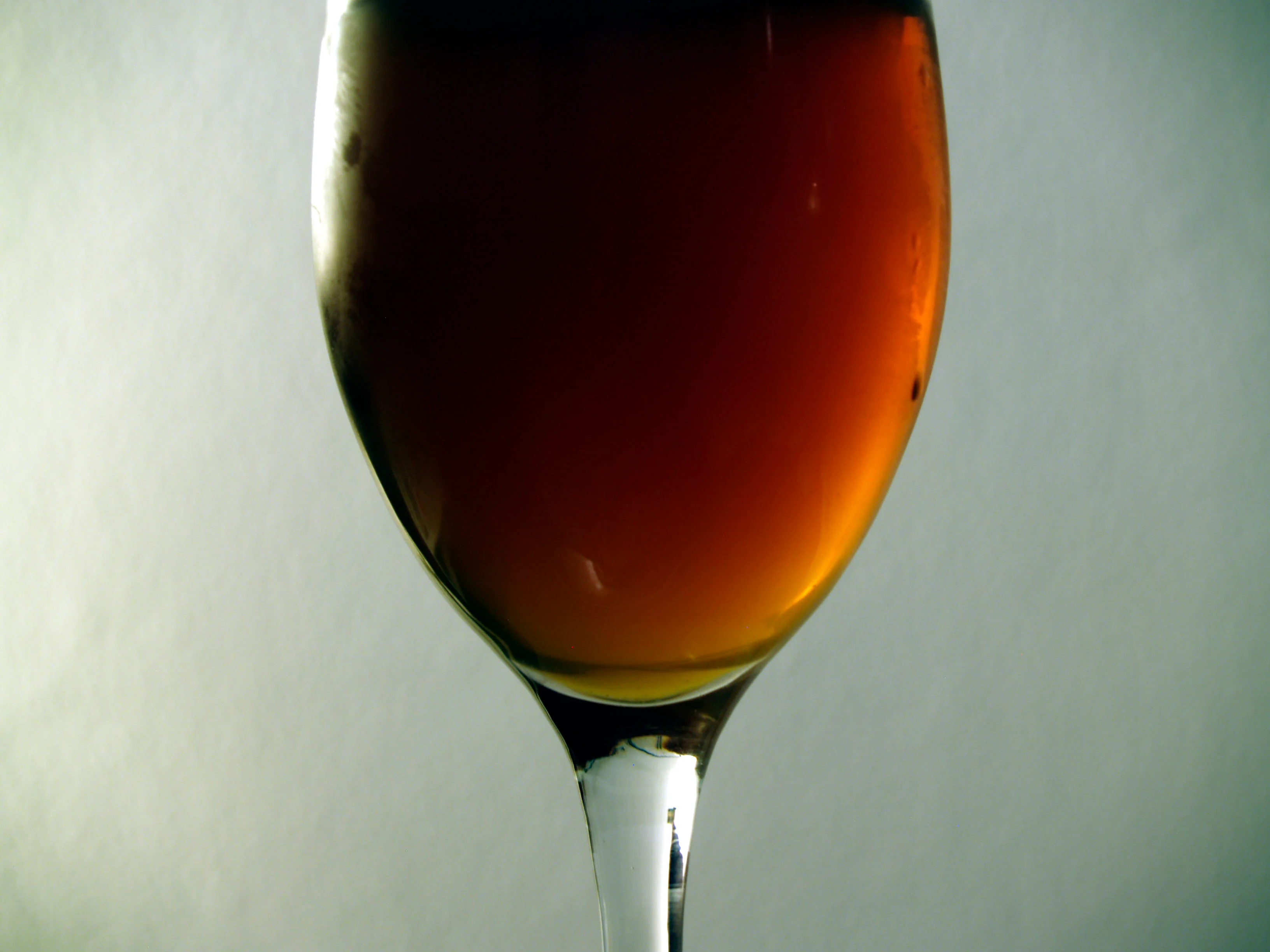
American pale ale is a balanced, hop-forward ale with less alcohol and hop intensity than American IPA. Malt remains present without taking over.
Plan a Maine brewery trip with 12 independent picks, from Allagash and Bissell Brothers in Portland to Maine Beer Company in Freeport and Bar Harbor's Atlantic.

Verified brewery news for October 12–18, 2026: Stone's founders keep the Escondido gardens, TailGate buys Yazoo's brewery, Summit finds a lender, and closings.
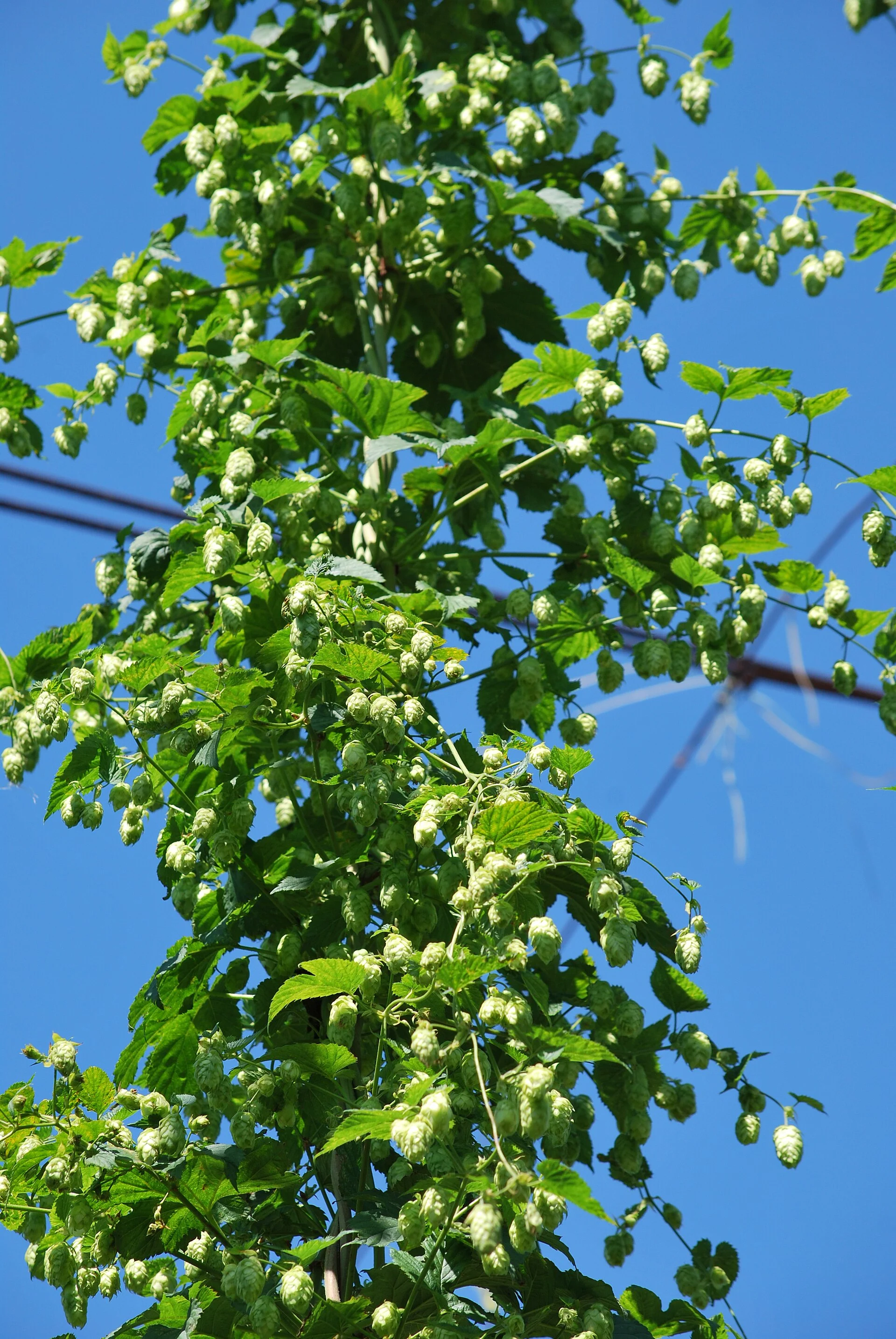
Fresh-hop beer uses newly harvested hops before conventional drying. Expect a short release window and flavors that vary with crop, timing, and brewery.

Pumpkin beer may use squash, while pumpkin spice beer may focus on cinnamon, nutmeg, ginger, clove, or allspice. Many releases use both.

Plan a Florida brewery trip with 11 picks, from Angry Chair in Tampa to Green Bench in St. Pete and Ology in Tallahassee, with routes, tips, and 2025 stats.
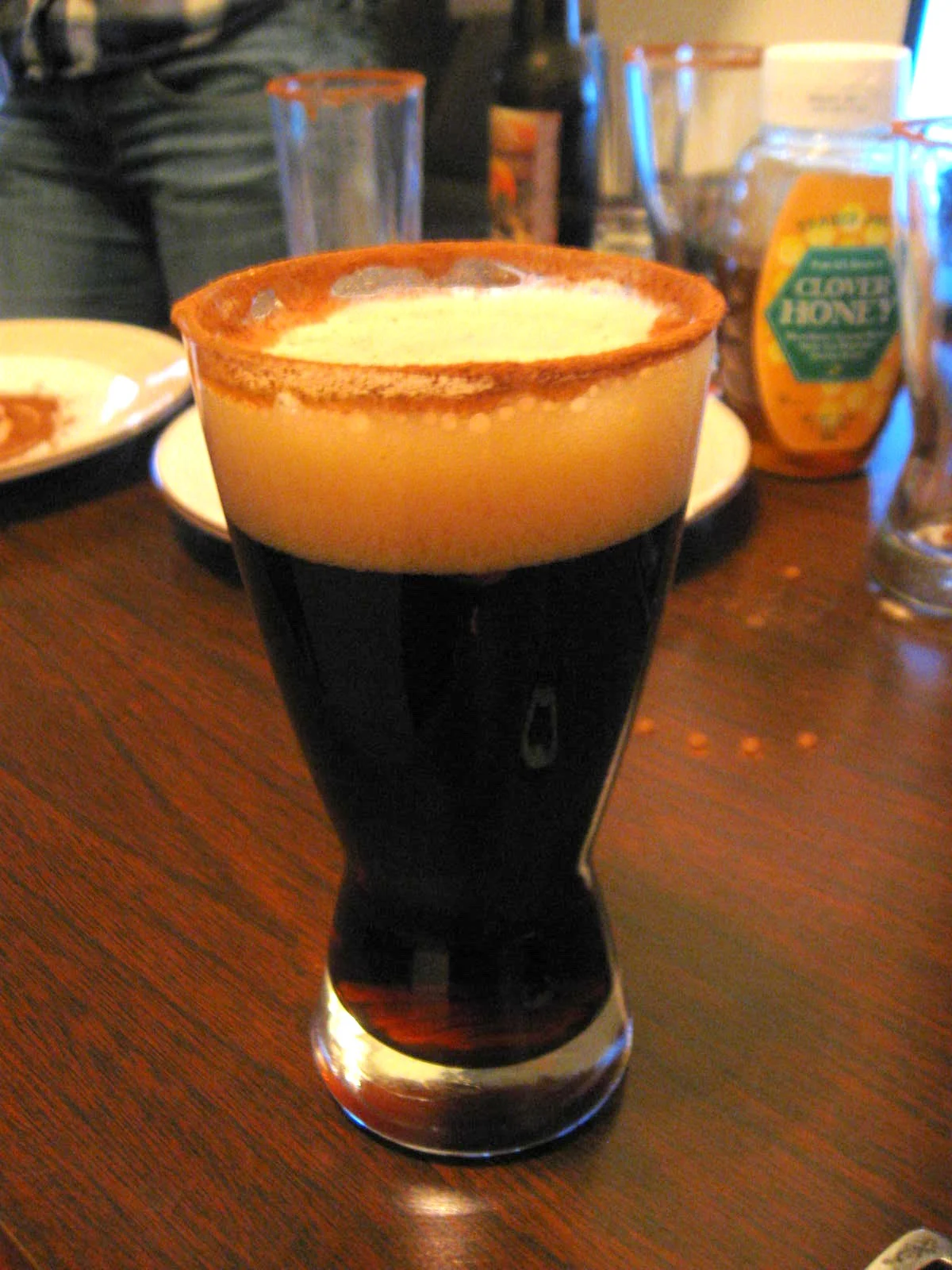
Pumpkin beer may use actual squash, pie spices, or both. The best examples balance the seasonal ingredients with a recognizable base beer.
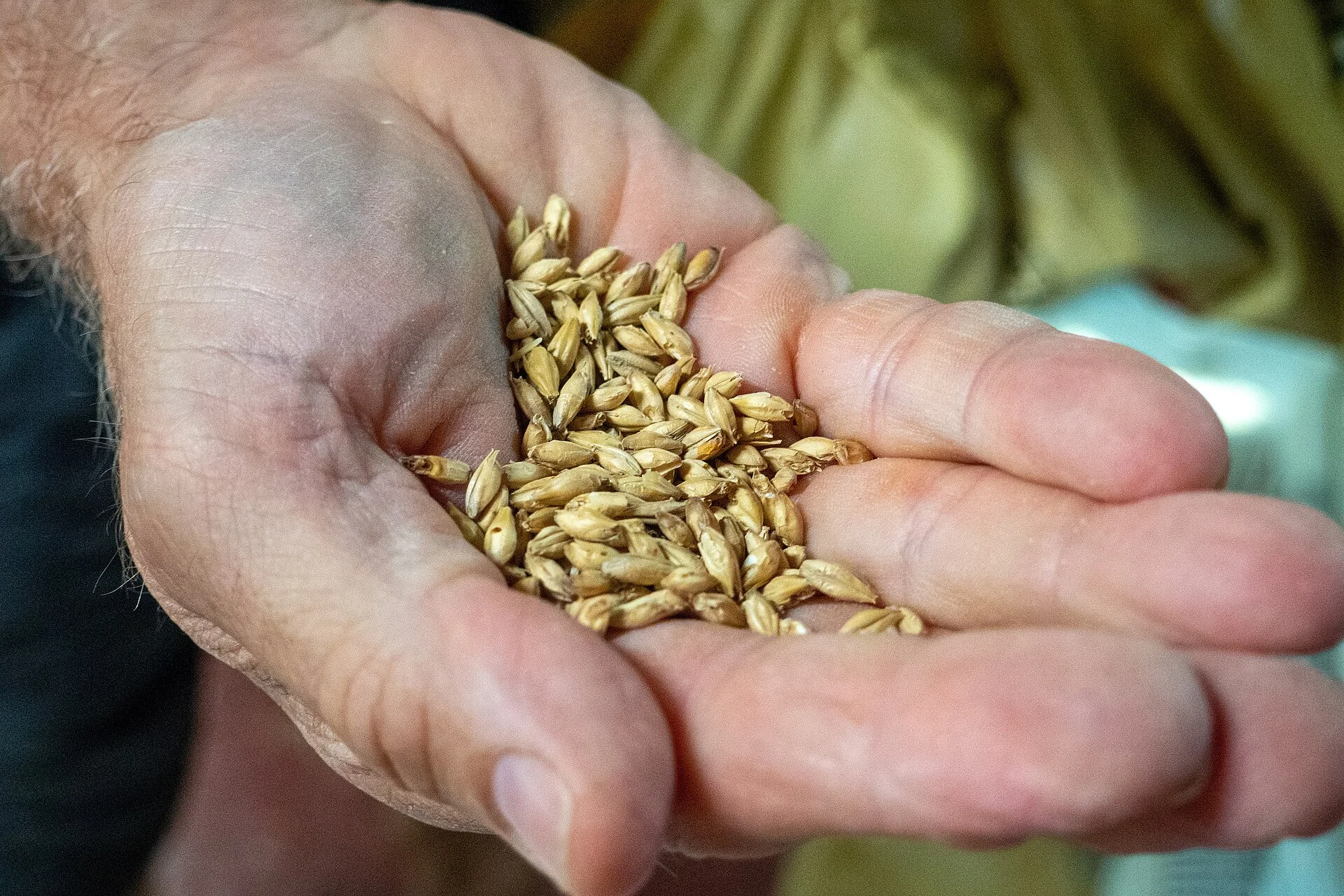
Malt can taste grainy, bready, toasty, caramel-like, nutty, chocolaty, or roasty. Color offers clues, but the full recipe sets the balance.
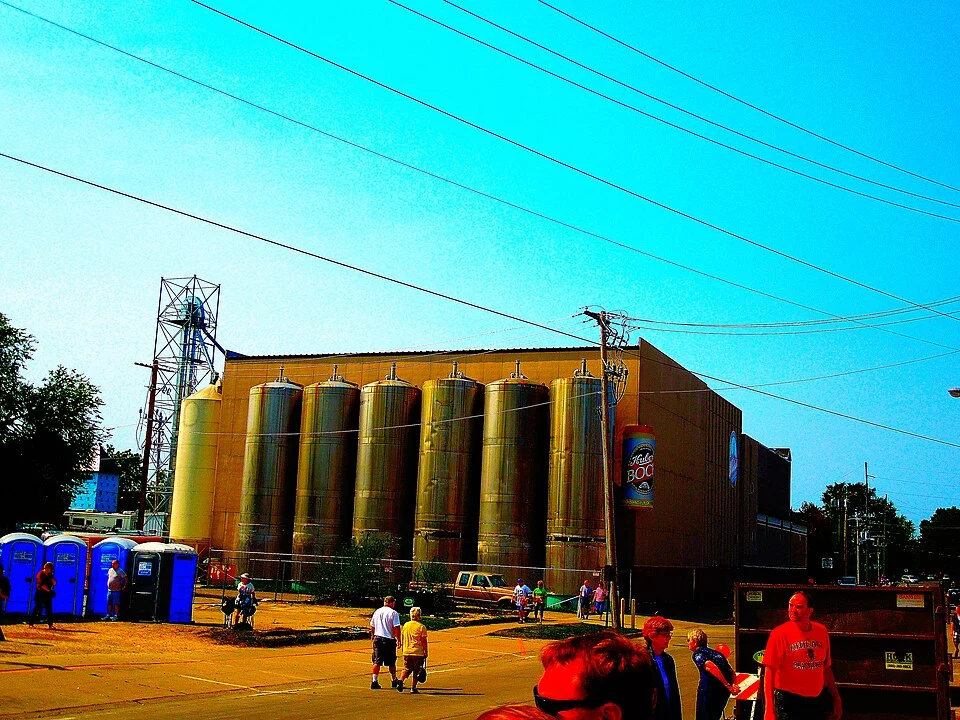
Plan a Wisconsin brewery trip with 11 picks, from New Glarus and Milwaukee's Lakefront to Madison's Working Draft, with tours, routes, and 2025 stats.
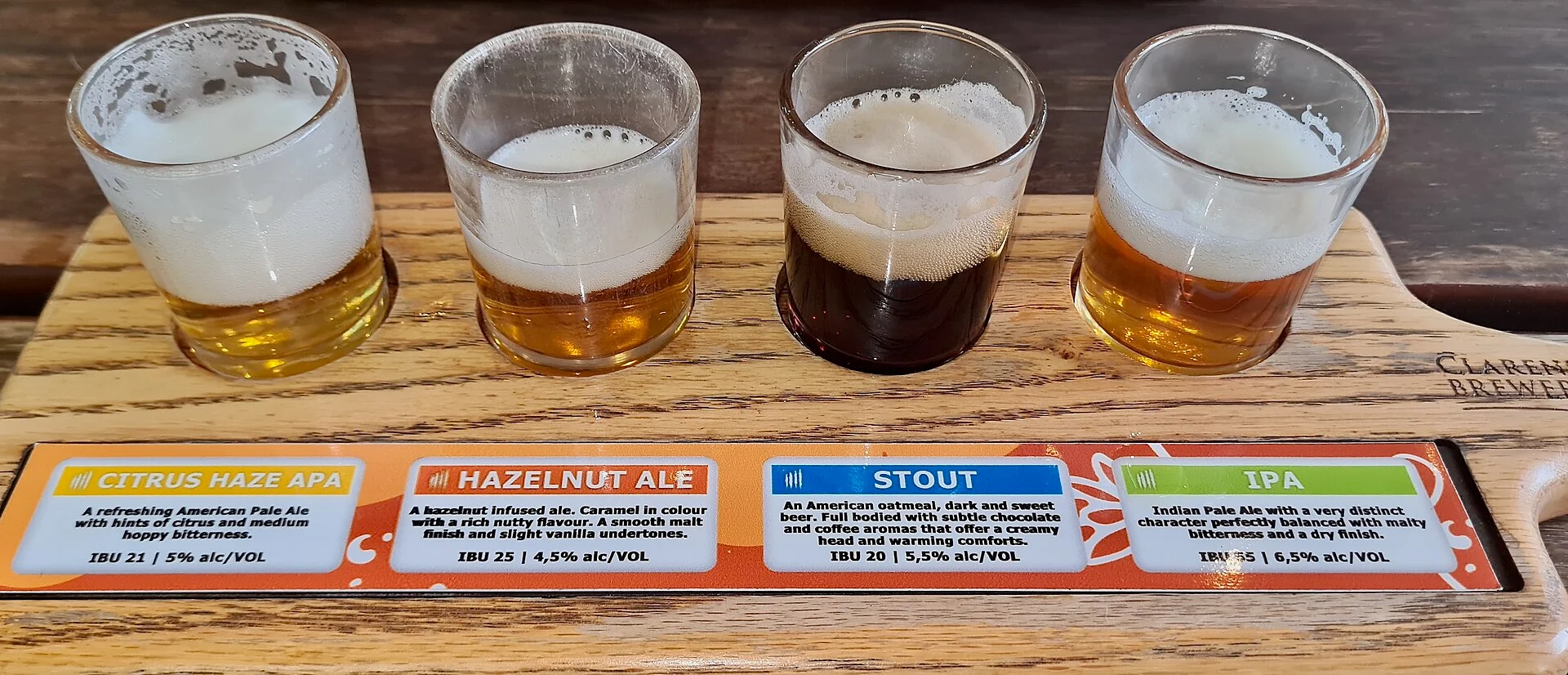
Ale and lager are broad fermentation families, not flavor promises. Yeast and temperature shape the difference, while recipe still decides the glass.

Verified brewery news for October 5–11, 2026, covering new taprooms, Hardywood and Starr Hill, Black Flag's uncertain future, GABF medals, and companion IPAs.

Modern Munich Oktoberfest serves pale Festbier, while many American Oktoberfest releases follow the amber, toasty Märzen tradition.

Plan a Vermont brewery trip with 12 independent picks, from Hill Farmstead in Greensboro Bend and The Alchemist in Stowe to Foam in Burlington, plus route tips.

Official dates for major 2026 Oktoberfest events in Cincinnati, Mount Angel, Helen, Leavenworth, and Denver, including celebrations still ahead in October.
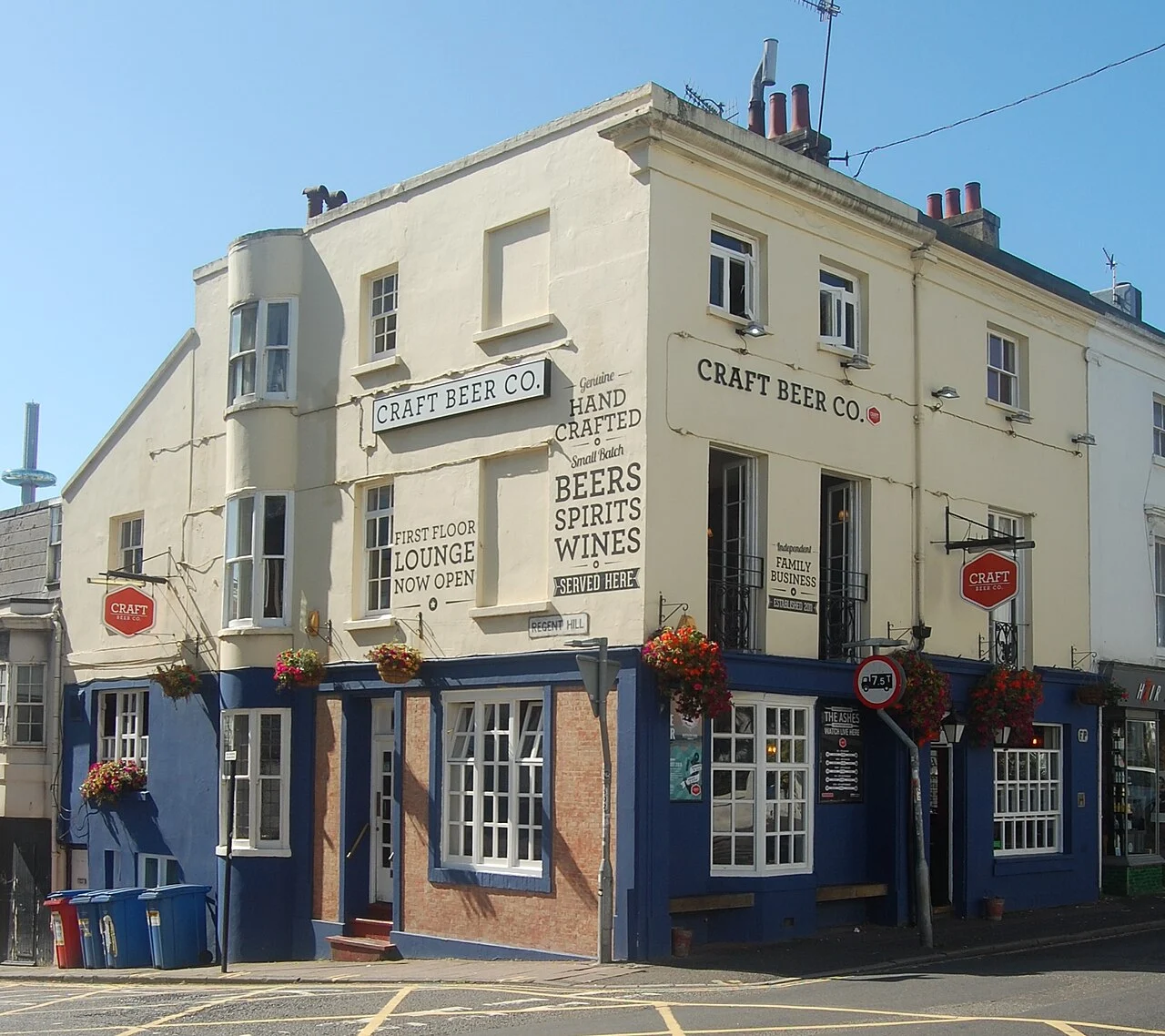
Read a tap list in the right order: style, ABV, flavor description, additions, and pour size. Then ask one question the menu cannot answer.
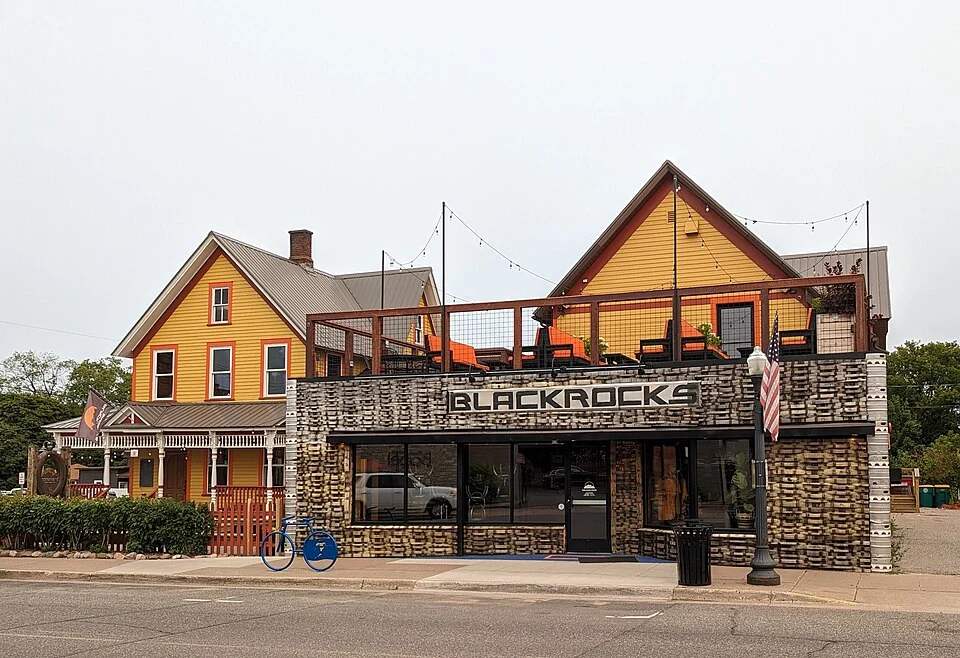
Plan a Michigan brewery trip with 12 independent picks, from Short's in Bellaire and Brewery Vivant in Grand Rapids to Blackrocks in Marquette, plus route tips.
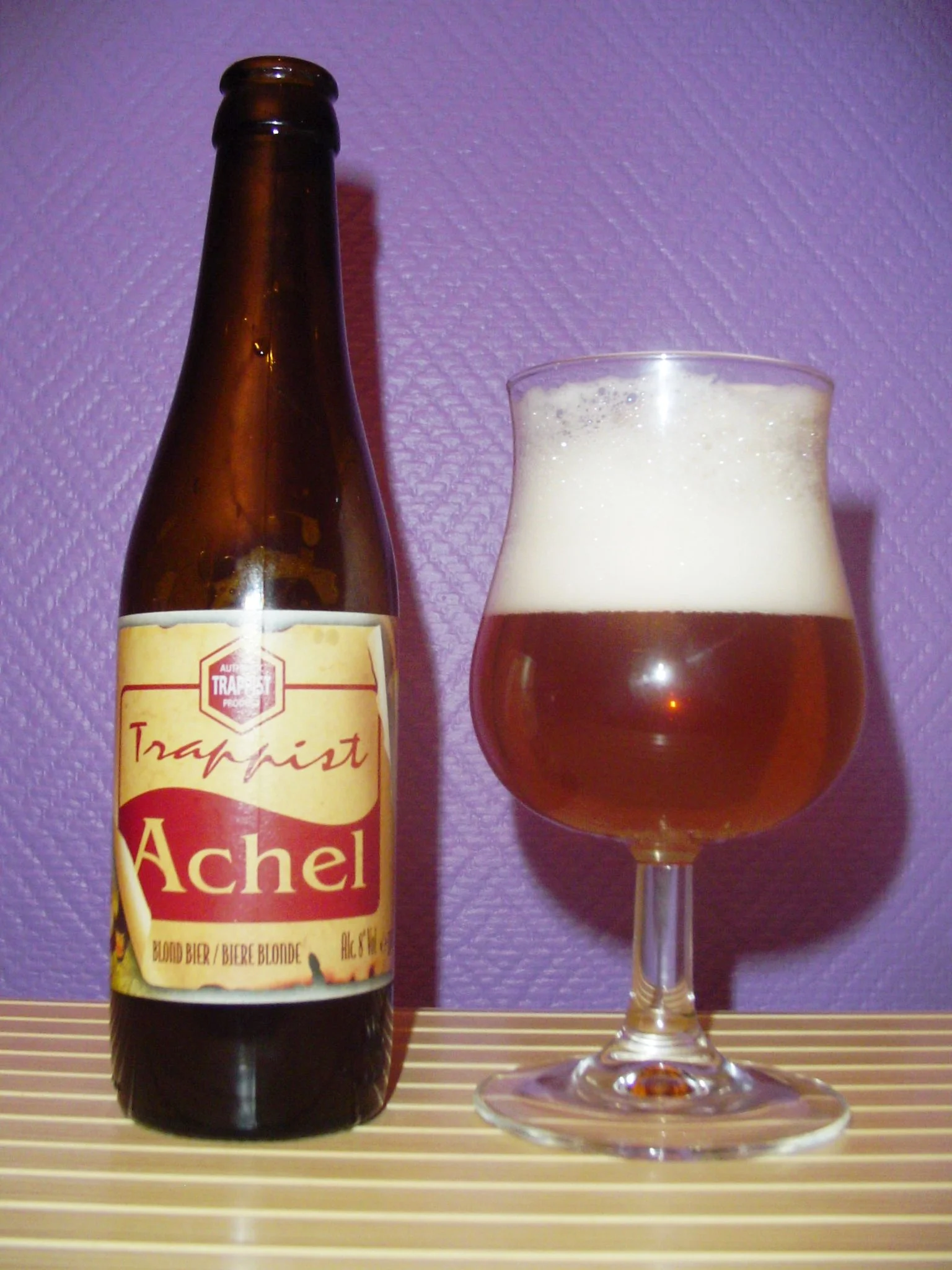
Session beer describes lower-strength beer built for drinkability and balance. It is an approach, not one color, flavor, or style.
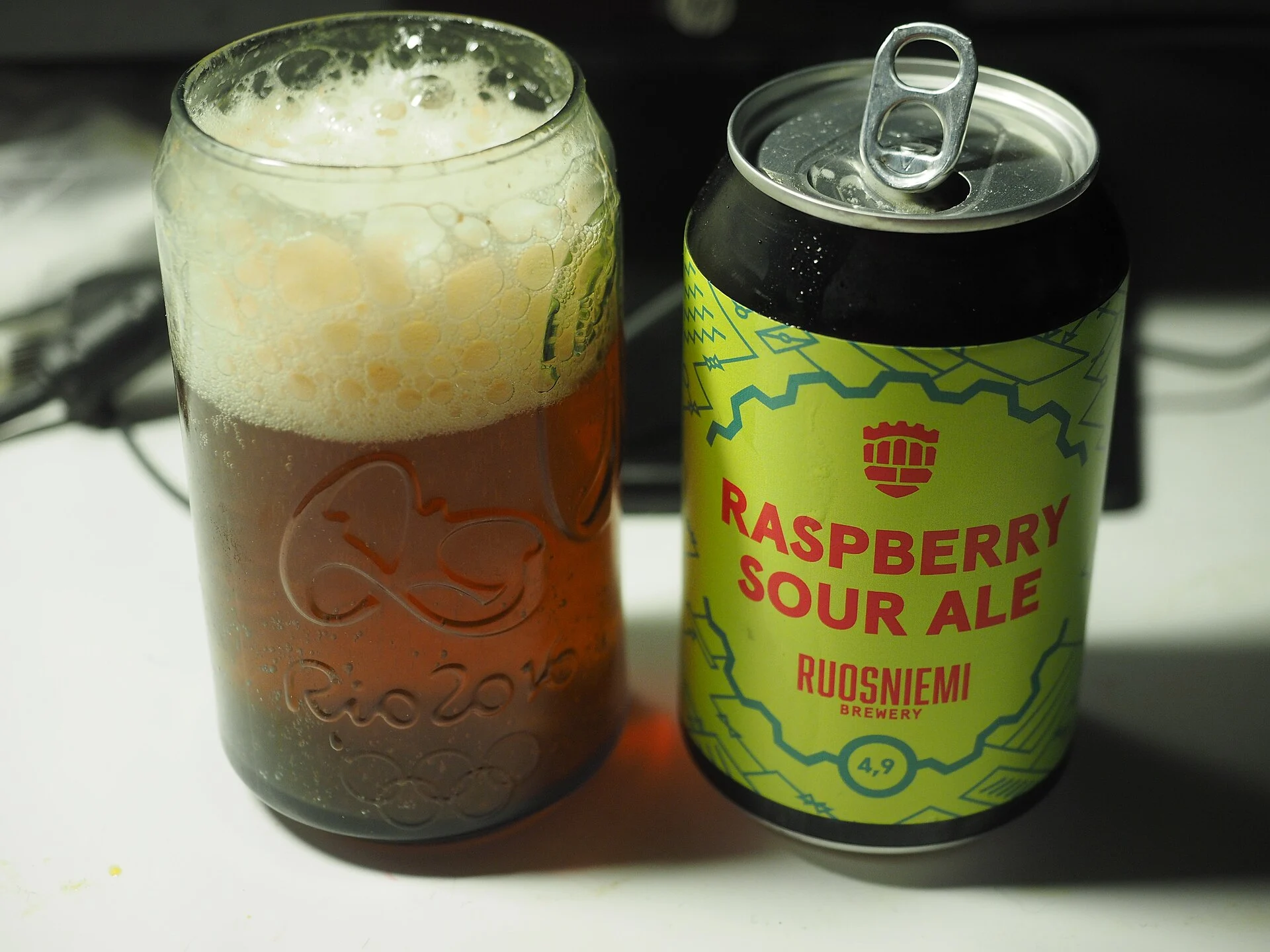
Sour beer is a broad family shaped by acidity and fermentation. Berliner Weisse, gose, lambic, and modern fruit sours do not taste the same.

Verified craft brewery news for September 28–October 4, 2026, covering taproom closures, The Bruery Group deal, import rules, collaborations, and fresh-hop medals.

Plan a New York brewery trip with 10 independent picks, from Other Half in Brooklyn to Hudson Valley Brewery in Beacon and Big Ditch in Buffalo, plus tips.

Keep beer refrigerated, protected from light, and usually upright. Heat and time damage flavor faster than a normal trip from the store.
BMO Bank is seeking more than $8 million and foreclosure-related relief from Summit Brewing. The St. Paul brewery says it remains open during the case.
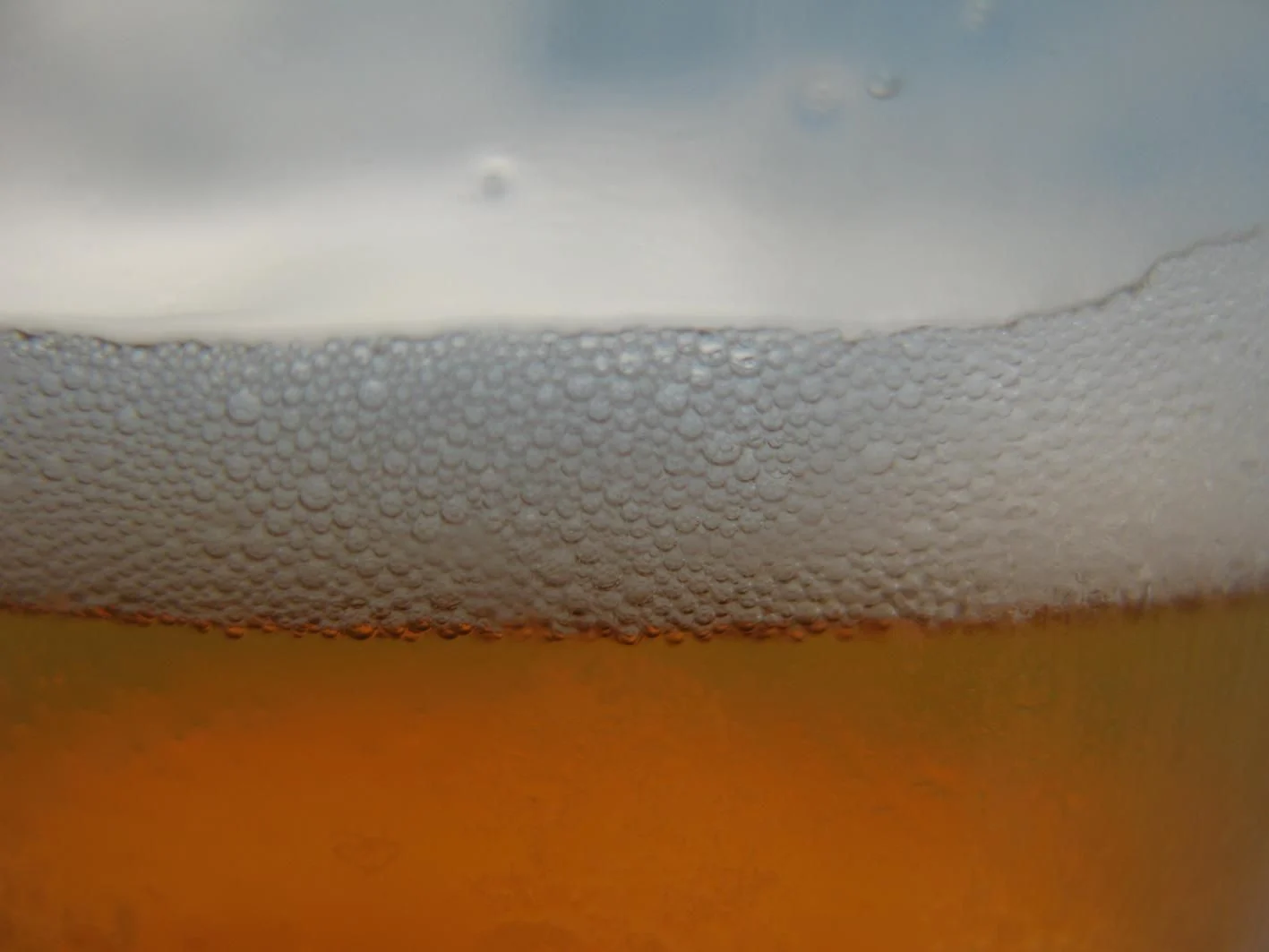
Butter, cooked corn, green apple, cardboard, skunk, and vinegar can signal brewing or handling problems, but context still matters.

Plan a Colorado brewery trip with 11 independent picks, from Odell in Fort Collins to Bierstadt in Denver and Casey in Glenwood Springs, plus routes and tips.

Fall beer can mean fresh hops, harvest ingredients, toasted malt, warming strength, or seasonal tradition. Brown color alone does not define it.

Use flavor, intensity, and finish to get a useful taproom recommendation. You do not need to memorize styles or pretend to know what you want.

A verified weekly roundup of U.S. craft brewery openings, expansion plans, and closing announcements from September 21–27, 2026.

Hazy IPA is a fruit-forward, hop-heavy IPA with a softer body and lower perceived bitterness than many traditional American IPAs.

The best craft breweries in Texas, from Saint Arnold in Houston to Jester King near Austin and Spoetzl in Shiner, with city routes and visit tips.
Troy City Brewing & Distilling says September 30 will be its final day in Fall River, Massachusetts, ending an eight-year run on Anawan Street.
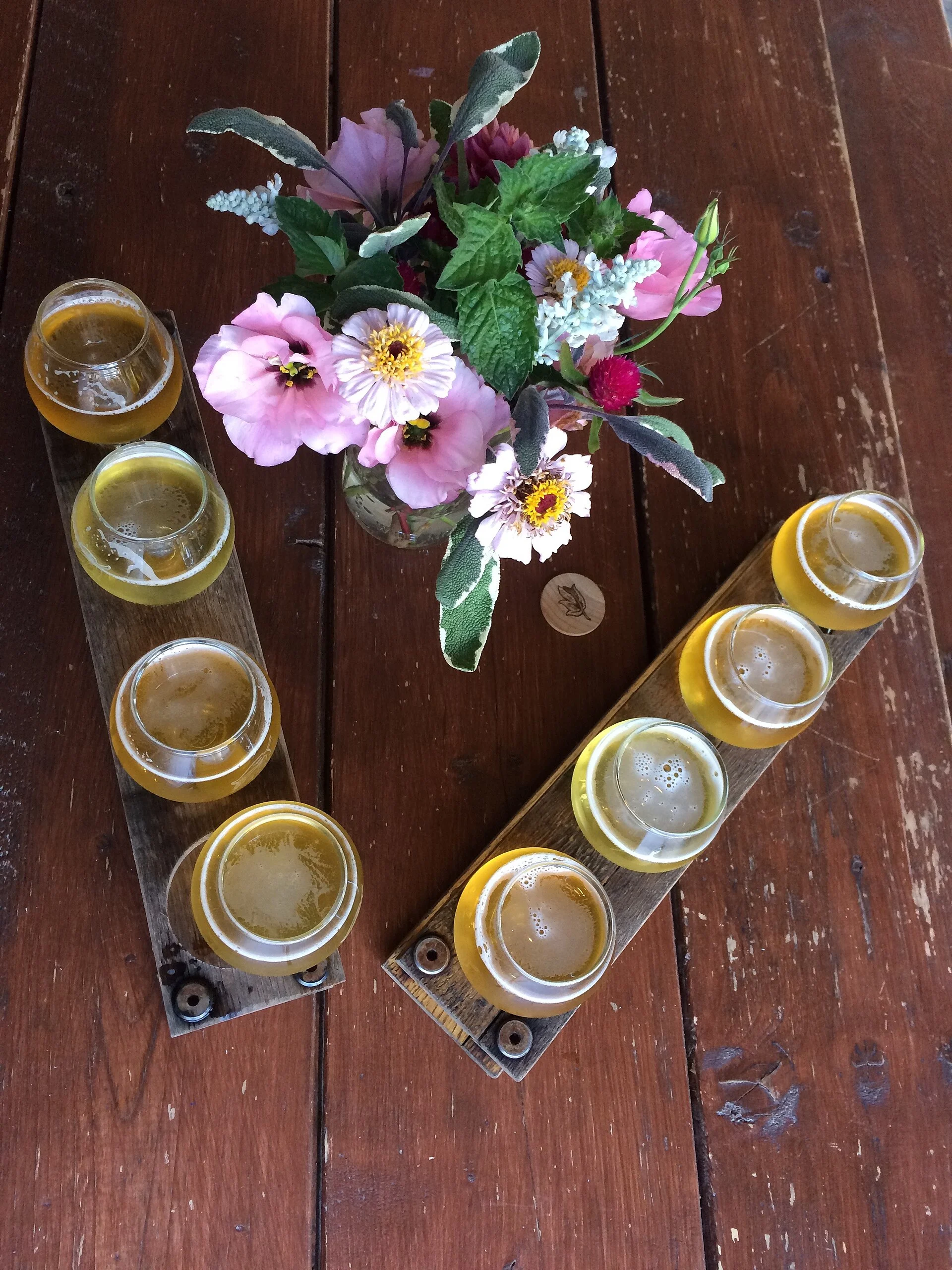
A glass improves aroma, appearance, and foam, but cleanliness matters more than owning every specialty shape. Here is what changes in the glass.
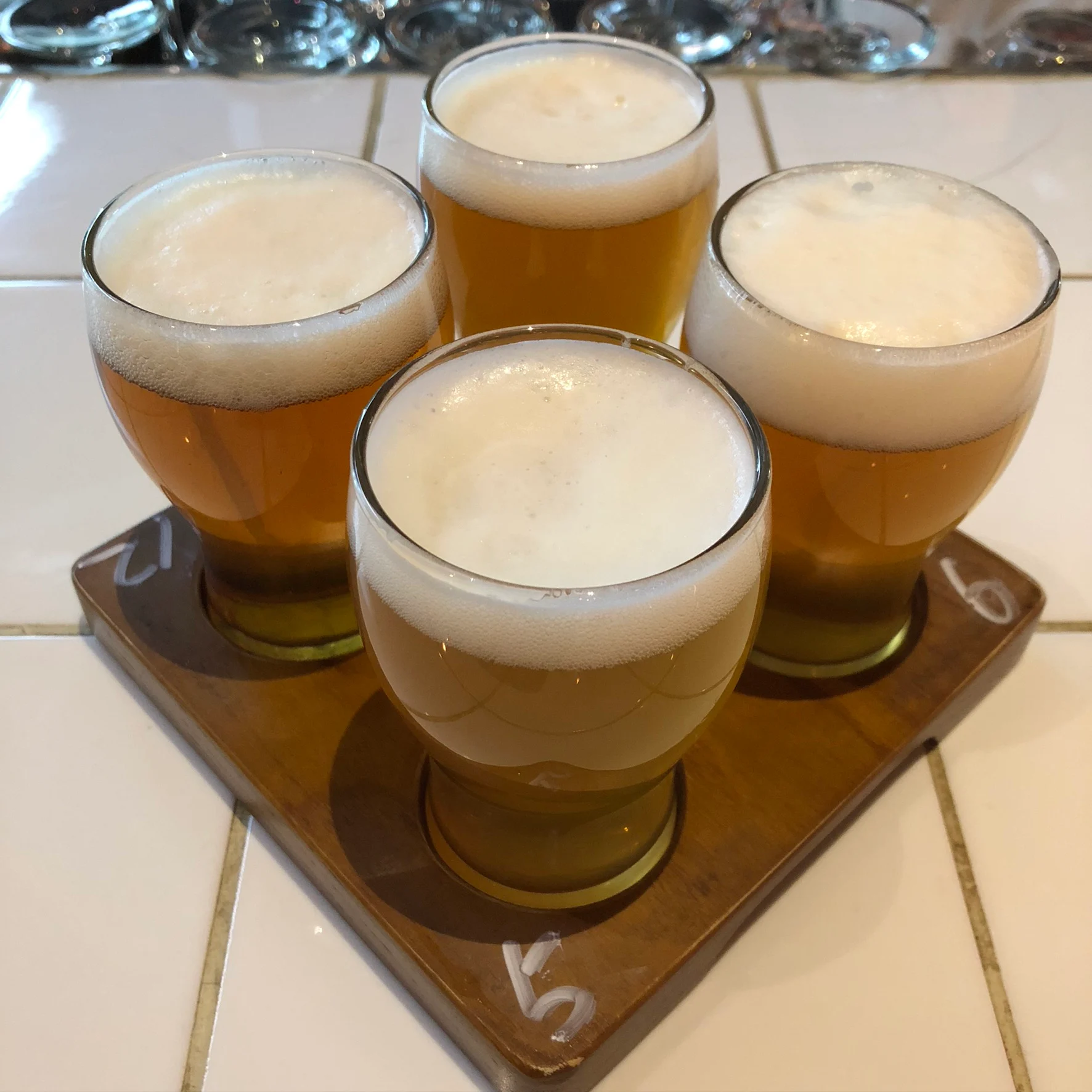
ABV tells you how much alcohol a beer contains by volume. Learn how to compare strengths, serving sizes, and flavor without relying on color.

IBU measures hop-derived bittering compounds, not exactly how bitter a beer will taste. Learn what the number can tell you and what it cannot.

California's best craft breweries, from Sierra Nevada in Chico to Russian River in Windsor and Pizza Port near San Diego, with routes and visit tips.

Match intensity, then use complementary flavors, contrast, or carbonation and acidity to reset the palate. Start with the plate, not a style chart.

Porter and stout overlap in color, roast, chocolate, coffee, and strength. Compare the modern labels without pretending there is one universal dividing line.
Outerbelt Brewing plans to close its Carroll, Ohio brewery and taproom. A final service date and reason were not confirmed in sources reviewed September 18.

An IPA is a hop-forward ale, but it does not have one fixed taste. Learn how bitterness, aroma, malt, and major IPA styles change the glass.

Every pilsner is a lager, but not every lager is a pilsner. Compare fermentation, color, malt, hops, bitterness, and what to order next.
Beer flavor changes with time, heat, light, oxygen, and style. Learn what package dates mean, how to store beer, and when not to drink it.
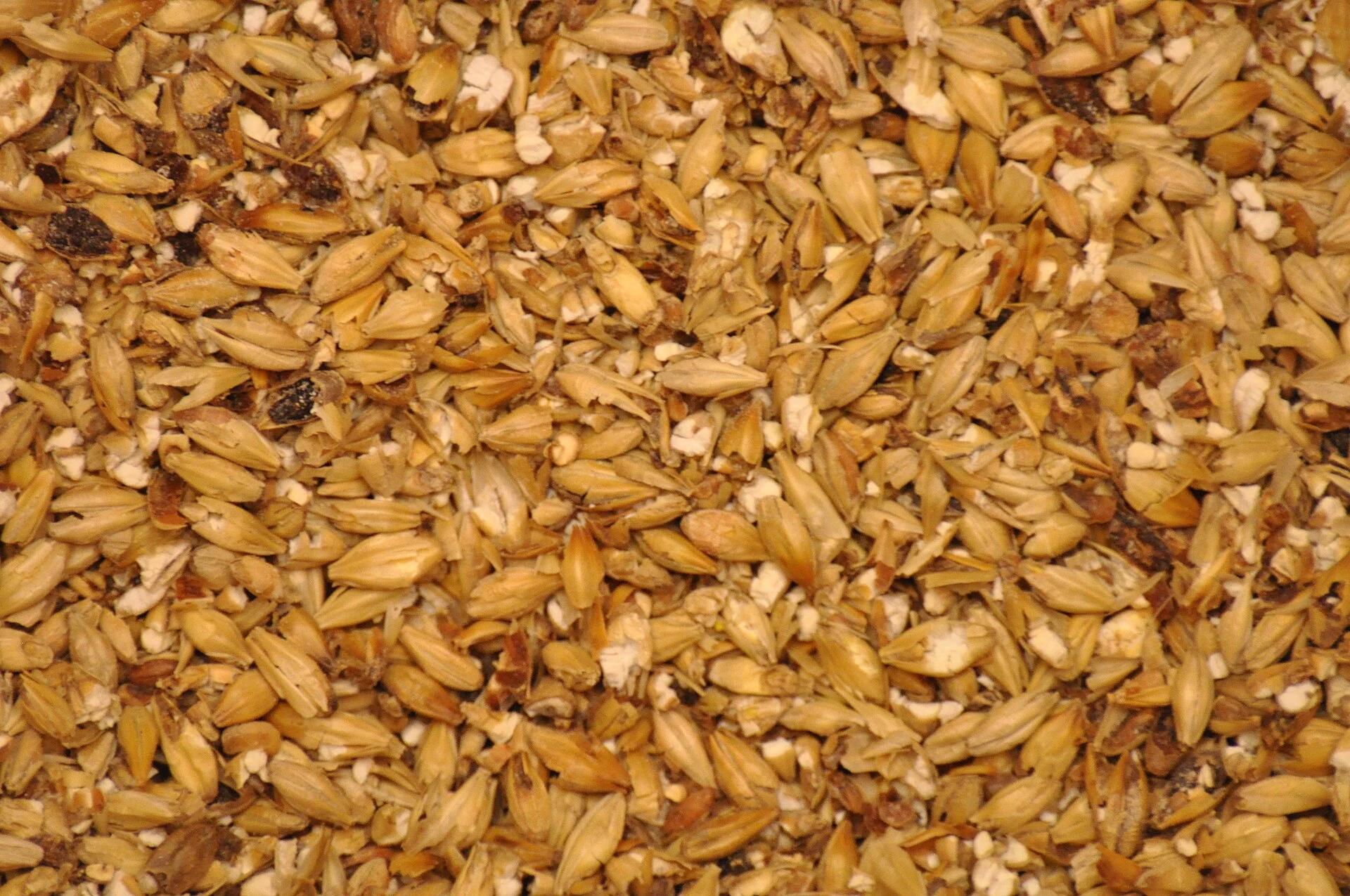
Beer starts with water, malt, hops, and yeast. Learn what each ingredient does during brewing and what you may notice in the finished glass.

A beer flight, or flight of beer, is three or more small pours, often 2 to 5 ounces each, served together so you can compare beers. Learn how to order, taste and pace one.

Draft beer travels from a keg through a balanced, cooled system to the faucet. Learn how gas, temperature, clean lines, and turnover affect the glass.

A useful beer recommendation starts with the drinker, the place, and what they already enjoy. Use this simple framework to make better picks.