What is Munich Helles? Malt-forward lager without heavy sweetness
Munich Helles is a pale German lager with soft bread-like malt, restrained bitterness, clean fermentation, and a smooth dry finish.
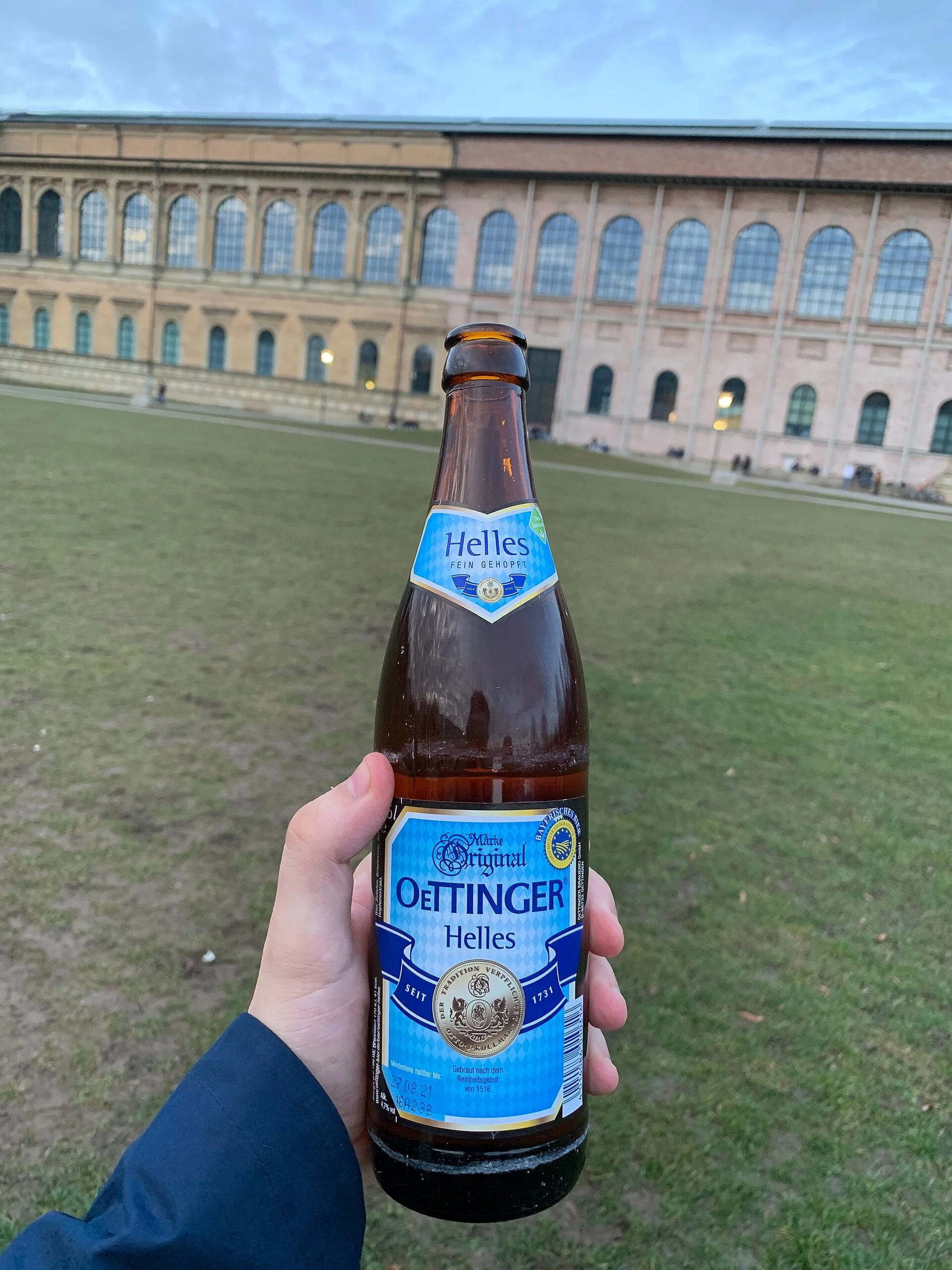
Munich Helles is a pale German lager built around soft, bread-like malt and clean fermentation. It is less hop-forward than pilsner and less rich than Festbier, with restrained bitterness and a smooth finish that should remain dry enough for another sip.
What does Helles taste like?
Expect fresh bread, dough, grain, or a faint honey-like malt impression. Hops stay low, sometimes adding gentle flowers or spice. Fermentation should be clean.
The BJCP Munich Helles guide describes malt as the focus while warning against caramel sweetness.
Helles vs pilsner
| Trait | Munich Helles | German Pils |
|---|---|---|
| Main focus | Soft malt | Crisp hops and bitterness |
| Bitterness | Low to moderate | More pronounced |
| Malt | Bread and grain | Leaner and crisper |
| Finish | Smooth and dry | Drier and more bitter |
Both should be pale, clean, and refreshing.
Helles vs Festbier
Festbier is stronger and richer, with more body and a deeper malt impression. Helles is an everyday pale lager. Festbier is built for festival strength while retaining drinkability.
Is Helles sweet?
It can smell softly sweet or honey-like, but the finish should not be sugary. Rich malt flavor and residual sweetness are different things.
Who should order it?
Choose Helles when you want pale lager refreshment with more bread-like malt and less sharp bitterness than pilsner. Because the style is subtle, it also offers a good test of freshness and draft quality.
Learn the wider family in ale vs lager.
Related questions
What does Helles mean?
Helles means pale or light-colored in German.
Is Helles stronger than pilsner?
Not necessarily. Their typical strength ranges overlap.
Is Helles an ale?
No. It is a lager.
Sources
Why is a simple Helles hard to brew?
The pale color and restrained recipe leave little room to hide stale malt, rough bitterness, fermentation faults, or oxygen damage. Water, fermentation, cold conditioning, packaging, and service all have to support a quiet result. The reward is not intensity. It is a clean beer whose bread-like malt stays clear from aroma through finish.
How should you taste it?
Compare Helles with a German pils and Festbier. Start with Helles, then the more bitter pils, then the stronger Festbier. Note grain, bread, bitterness, body, and finish rather than ranking them by flavor volume.