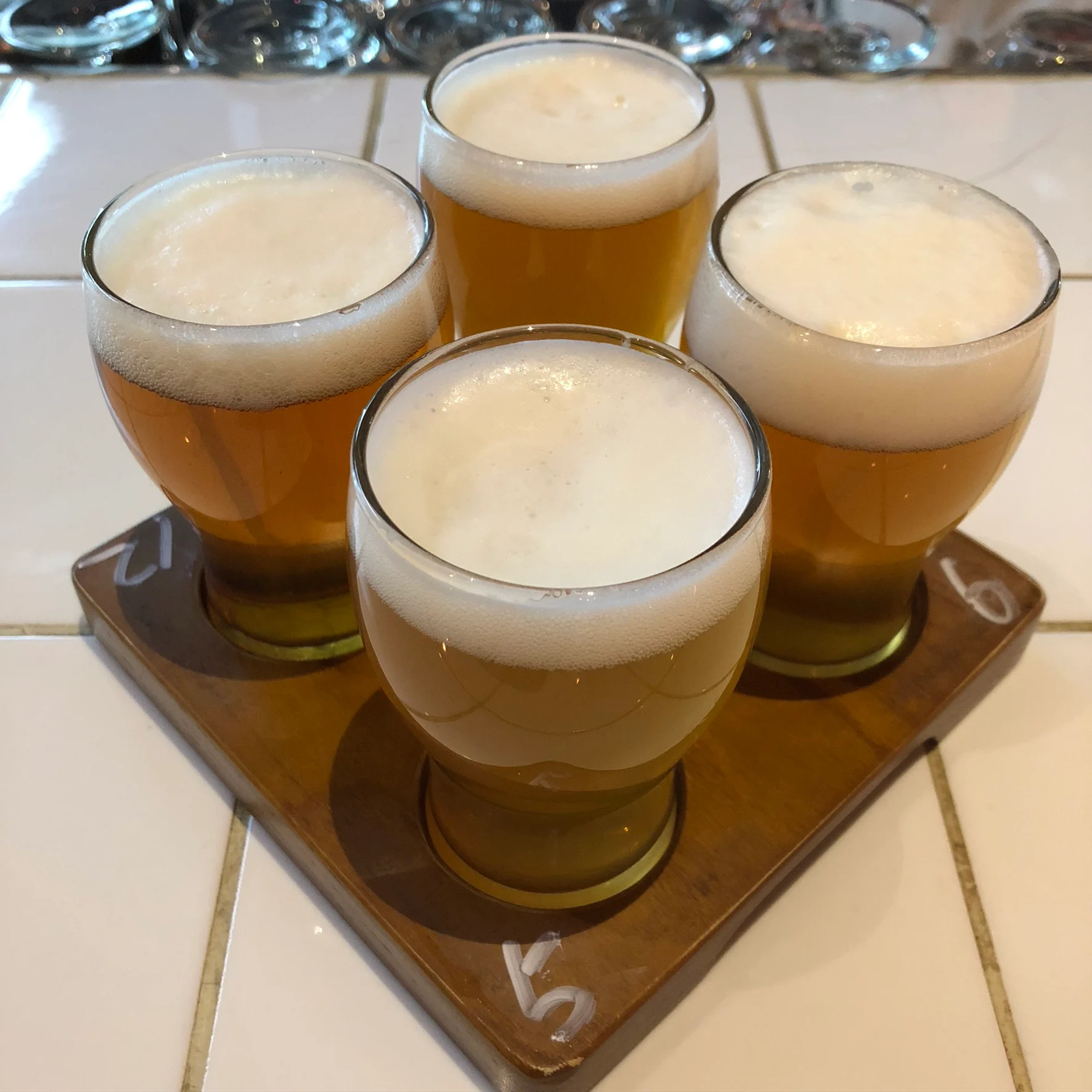
What is a hazy IPA? Soft texture, big aroma, and less bite
Hazy IPA is a fruit-forward, hop-heavy IPA with a softer body and lower perceived bitterness than many traditional American IPAs.

A hazy IPA is a hop-forward American ale known for intense fruit-like aroma, a fuller and softer mouthfeel, visible haze, and less perceived bitterness than many traditional American IPAs. It should taste expressive and smooth, not raw, murky, or sugary.
What does a hazy IPA taste like?
Expect hops to lead. Common impressions include citrus, tropical fruit, stone fruit, and berries. The BJCP Hazy IPA guide describes high to very high fruity hop flavor with a supporting grainy or lightly bready malt background.
The texture is a major part of the style. Hazy IPA usually feels fuller and softer than a dry, firmly bitter West Coast IPA. The finish can seem juicy, but a good example should not be syrupy or thick.
Why is hazy IPA hazy?
Haze comes from recipe and process choices that keep compounds from malt, proteins, yeast, and hops suspended in the beer. Brewers often use flaked grains, heavy late hopping, dry hopping, and yeast strains selected for the style.
Haze is not an ingredient and it is not proof of quality. A bright, glowing haze can fit the style. Floating particles, yeast clumps, or a muddy appearance suggest something else.
Is hazy IPA less bitter?
It usually has less perceived bitterness than a traditional American IPA, but it is still hop-forward. Fuller body, a softer finish, and the timing of hop additions can reduce the sharpness of bitterness while keeping aroma high.
The BJCP gives hazy IPA a broad 25 to 60 IBU range, but the number does not explain the whole experience. Our guide to what IBU means explains why measured and perceived bitterness can separate.
Is hazy IPA sweet?
It can seem sweet because fruit-like hop aromas and a fuller body suggest sweetness. A well-made example should not depend on heavy residual sugar.
Some specialty beers add fruit, lactose, vanilla, or other ingredients. Those can be enjoyable, but they move beyond a standard hazy IPA. Read the menu description rather than assuming every opaque IPA uses the same formula.
Hazy IPA vs West Coast IPA
| Trait | Hazy IPA | West Coast-style IPA |
|---|---|---|
| Appearance | Hazy to opaque | Usually clearer |
| Hop impression | Fruit-forward and aromatic | Often citrusy, piney, resinous, or dank |
| Bitterness | Softer and more integrated | Firmer and more direct |
| Body | Medium to medium-full | Often leaner |
| Finish | Soft to off-dry | Usually drier and crisper |
These are tendencies, not laws. Modern brewers borrow across categories.
How fresh should hazy IPA be?
Freshness matters because hop aroma changes with time and heat. Check the packaged-on date when available, buy cold, keep it refrigerated, and avoid saving a hop-forward beer for a distant special occasion.
If a pour tastes muted, papery, harsh, or oddly sweet compared with the brewery's description, age or handling may be part of the problem.
How do you order one you might like?
Ask which fruit character leads and whether the finish is dry or sweet. If you dislike bitterness, ask whether it is soft or still has a firm bite. If you want less alcohol, check the ABV rather than assuming the softer texture means lower strength.
For the broader category, start with What is an IPA?.
Related questions
Is hazy IPA the same as New England IPA?
The terms overlap heavily. New England IPA helped establish the modern hazy, fruit-forward, soft-bodied approach. Breweries may use either name.
Is sediment normal in hazy IPA?
Uniform haze can be normal. Large floating particles or yeast clumps are not defining features of a well-made example.
Is hazy IPA stronger than regular IPA?
Not automatically. Check the listed ABV. Hazy IPA covers standard and stronger interpretations.