What is an IPA? A no-snobbery guide to taste and bitterness
An IPA is a hop-forward ale, but it does not have one fixed taste. Learn how bitterness, aroma, malt, and major IPA styles change the glass.
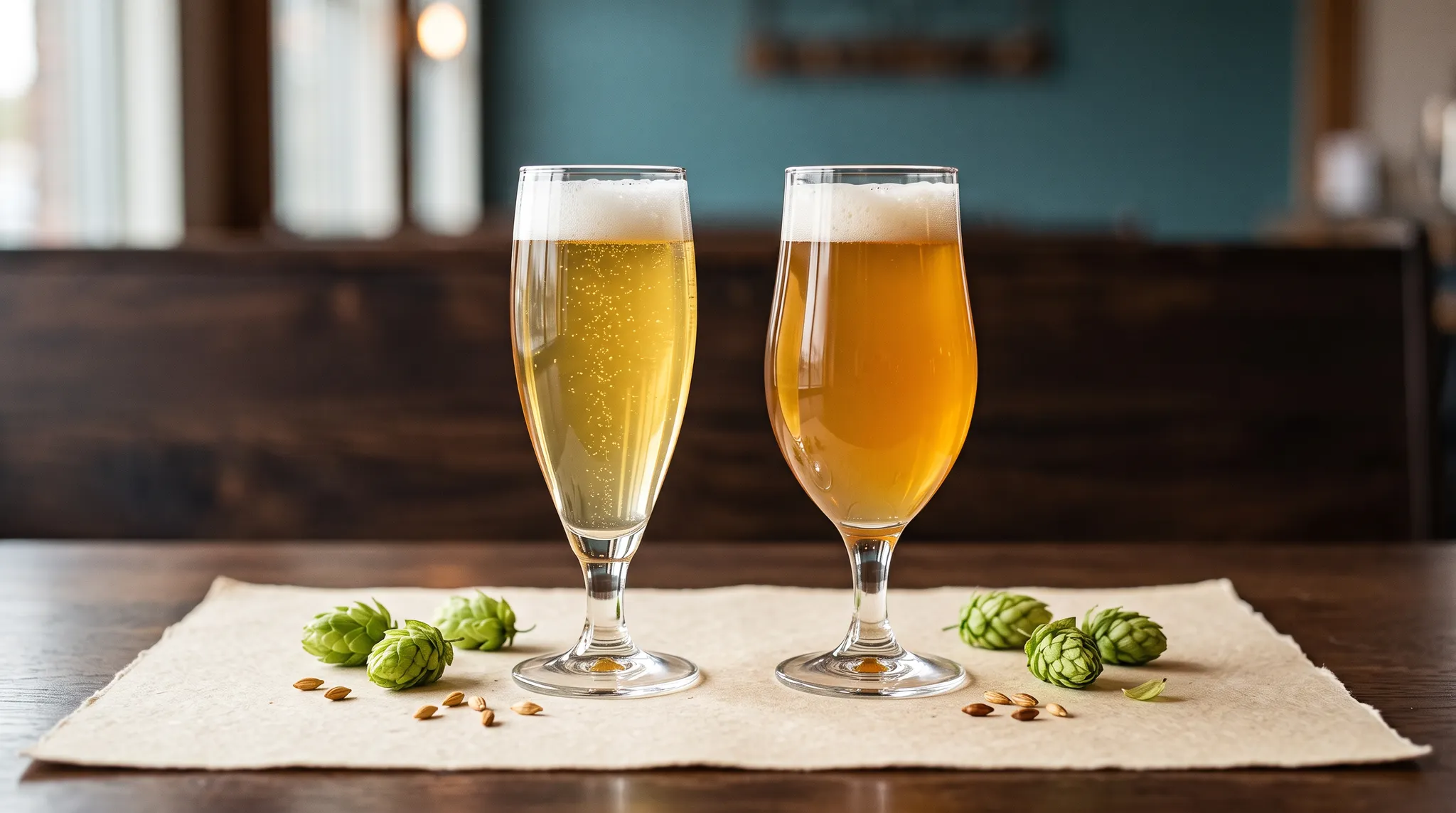
An IPA is a hop-forward ale. Hops usually lead the aroma and flavor, while malt and fermentation support the balance. Some IPAs are dry and firmly bitter. Others are soft, hazy, fruity, or lower in alcohol. The useful question is not whether you like “IPA.” It is which IPA traits you enjoy.
What does an IPA taste like?
The Beer Judge Certification Program describes modern American IPA as hop-forward, moderately strong, and generally dry to medium-dry, with supporting malt and a clean fermentation profile. That definition leaves room for a wide range of hop character.
Depending on the hops and brewing choices, an IPA may suggest citrus peel, tropical fruit, pine, resin, flowers, herbs, berries, or stone fruit. Malt can add light bread, grain, toast, or caramel notes, but it usually does not lead the conversation.
A practical way to read an IPA is to notice four things:
- Aroma: Does it lean citrusy, tropical, piney, floral, herbal, or something else?
- Bitterness: Is the bitterness low, rounded, firm, sharp, or lingering?
- Body: Does the beer feel lean and crisp, or soft and full?
- Finish: Does it end dry, sweet, juicy, bitter, or clean?
Those observations tell you more than the letters on the menu.
Is every IPA very bitter?
No. IPA is a hop-forward family, but hop-forward does not always mean aggressively bitter.
The Brewers Association Beer Style Guidelines explain that measured International Bitterness Units, or IBUs, do not consistently match a drinker’s perceived bitterness. People have different sensitivities, and malt, sweetness, body, hop flavor, and hop aroma can change how bitterness registers.
Treat the IBU number as one piece of information, not a universal pain scale. A higher-IBU beer can feel balanced when it has enough malt or body. A lower-IBU beer can still feel sharp when it finishes very dry.
What are the main IPA styles?
West Coast IPA
Expect a clearer appearance, a drier finish, and a more direct bitter edge in many current examples. Citrus, pine, resin, and tropical hop notes are common, but no single flavor is required.
Hazy IPA
Hazy IPA often puts aroma, fruit-forward hop flavor, and a softer texture ahead of a sharp bitter finish. Haze alone does not prove freshness or quality. It is part of a broader recipe and process choice.
Session IPA
Session IPA aims for IPA-like hop character at a lower alcohol level than a standard-strength example. The challenge is keeping enough body and balance so the beer does not feel thin.
Double or imperial IPA
Double IPA raises the strength and hop intensity. Alcohol, bitterness, malt, and hop character all have more room to show. It is a different commitment than a casual first pint.
The BJCP includes additional specialty variations. Use the style name as a starting point, then read the brewery’s description for the intended balance.
How do you choose an IPA you might like?
| If you want | Ask for |
|---|---|
| Bright citrus and a dry finish | A clear, modern West Coast-style IPA |
| Softer body and fruit-forward aroma | A hazy or New England-style IPA |
| Hop aroma with less alcohol | A session IPA |
| Bigger flavor and more strength | A double or imperial IPA |
| Less bitterness overall | A lower-bitterness pale ale or a hop-forward lager |
When the tap list is vague, ask one concrete question: “Is this more dry and bitter, or soft and fruit-forward?” A useful bartender should be able to answer without reciting the whole recipe.
What should you order after an IPA?
If you liked the crisp finish more than the hop intensity, try a pilsner. If you liked the citrus or tropical aroma but not the bitterness, try a hazy pale ale or a less bitter hazy IPA. If you liked the firm bitterness and dry finish, compare another clear IPA made with a different hop blend.
The point is to carry one preference into the next choice. Our guide to pilsner vs lager is a useful next stop when you want a cleaner, less hop-dominant comparison. For a broader recommendation framework, read The best beer recommendation is the one you actually remember.
Related questions
Is every IPA very bitter?
No. Perceived bitterness changes with the recipe, the finish, and the drinker. Many hazy IPAs emphasize aroma and texture, while many West Coast examples finish drier and more bitter.
What does IPA stand for?
IPA is commonly expanded as India Pale Ale. Modern style references often keep IPA as the familiar category name because today’s versions span many colors, strengths, and brewing approaches.
Is IPA an ale or a lager?
Most IPAs are ales. India pale lagers and other hybrid interpretations exist, but they are exceptions rather than the default.