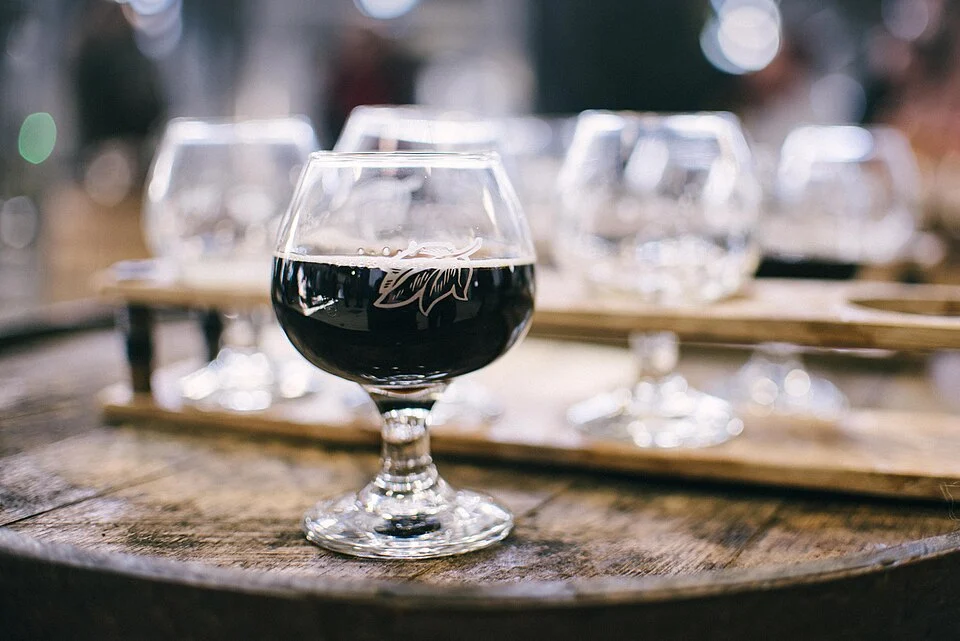
Why does beer have foam? A good head protects aroma and texture
Beer foam comes from carbon dioxide and foam-active compounds from malt and hops. A stable head can carry aroma and improve texture.
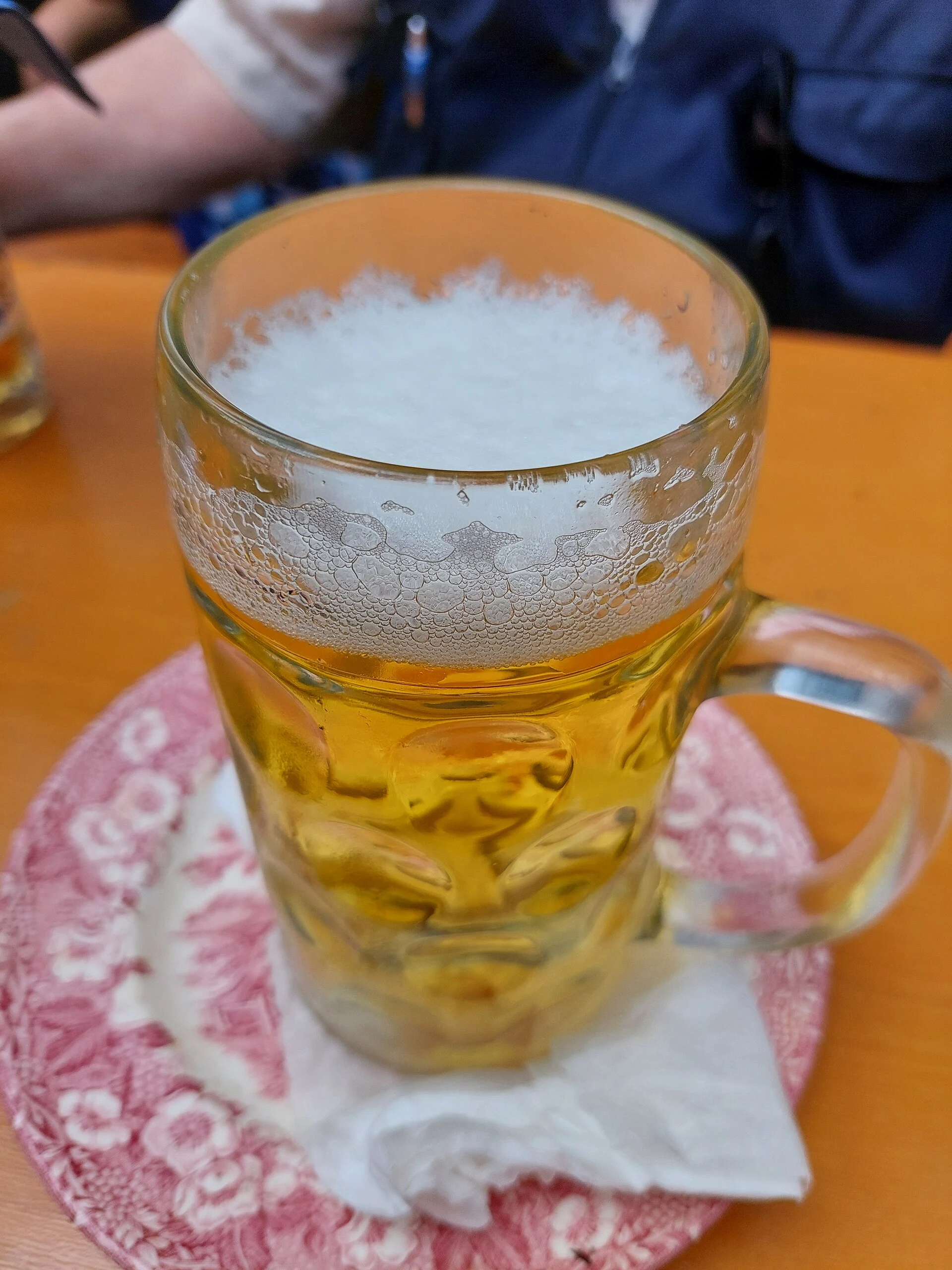
Beer has foam because dissolved carbon dioxide escapes when the beer is opened and poured. Proteins and other compounds from malt and hops surround the bubbles, helping them form a head that can carry aroma, soften texture, and release carbonation in the glass.
Is beer foam good?
A reasonable head is usually a sign of a purposeful pour, not wasted beer. It creates surface area for aroma and gives some carbon dioxide a controlled way out before it reaches your stomach.
Different styles produce different heads. Wheat beer may build a tall, lasting cap. Strong or highly alcoholic beer may have less stable foam. Cask-conditioned beer can look softer than highly carbonated draft beer.
What creates the bubbles?
Fermentation creates carbon dioxide. Brewers can retain that natural gas, add carbonation, or combine both approaches. Opening the package or tap lowers pressure. Pouring creates tiny rough points where gas can form bubbles and rise.
Why does foam disappear quickly?
Several things can collapse it:
- Oil, grease, or detergent residue on the glass
- Lip balm or food oils
- A low-foam beer style
- Warm beer or poor carbonation
- A very gentle pour that creates little head
The Brewers Association Draught Beer Quality Manual emphasizes beer-clean glassware because invisible residue can damage foam and flavor presentation.
Why does beer sometimes gush?
A sudden tower of foam can come from agitation, warm storage, overcarbonation, frozen beer, contamination, or particles that give gas many escape points. Let a shaken package settle and cool before opening. Do not freeze beer to rush chilling.
How much foam should a pour have?
There is no universal measurement, but roughly one to two fingers works for many everyday styles. Highly carbonated wheat and Belgian beers may need more room. The glass shape and the brewery's intended serve also matter.
Read how to pour beer properly for a practical method.
Related questions
Does foam mean a beer is overcarbonated?
Not by itself. Pour angle, temperature, glass condition, and style all affect the head.
Is beer better with no head?
Usually not. A controlled head helps aroma and texture, though the ideal amount varies by style.
Why does a dirty glass kill foam?
Oil and residue disrupt the films that hold bubbles together.