What does malt taste like in beer? Bread, toast, caramel, and roast
Malt can taste grainy, bready, toasty, caramel-like, nutty, chocolaty, or roasty. Color offers clues, but the full recipe sets the balance.
Malt gives beer much of its grain flavor, color, fermentable sugar, and body. Depending on the grain and how it was kilned or roasted, malt can suggest fresh bread, crackers, toast, caramel, nuts, cocoa, coffee, or char. It should not be reduced to the word sweet.
Where does malt flavor come from?
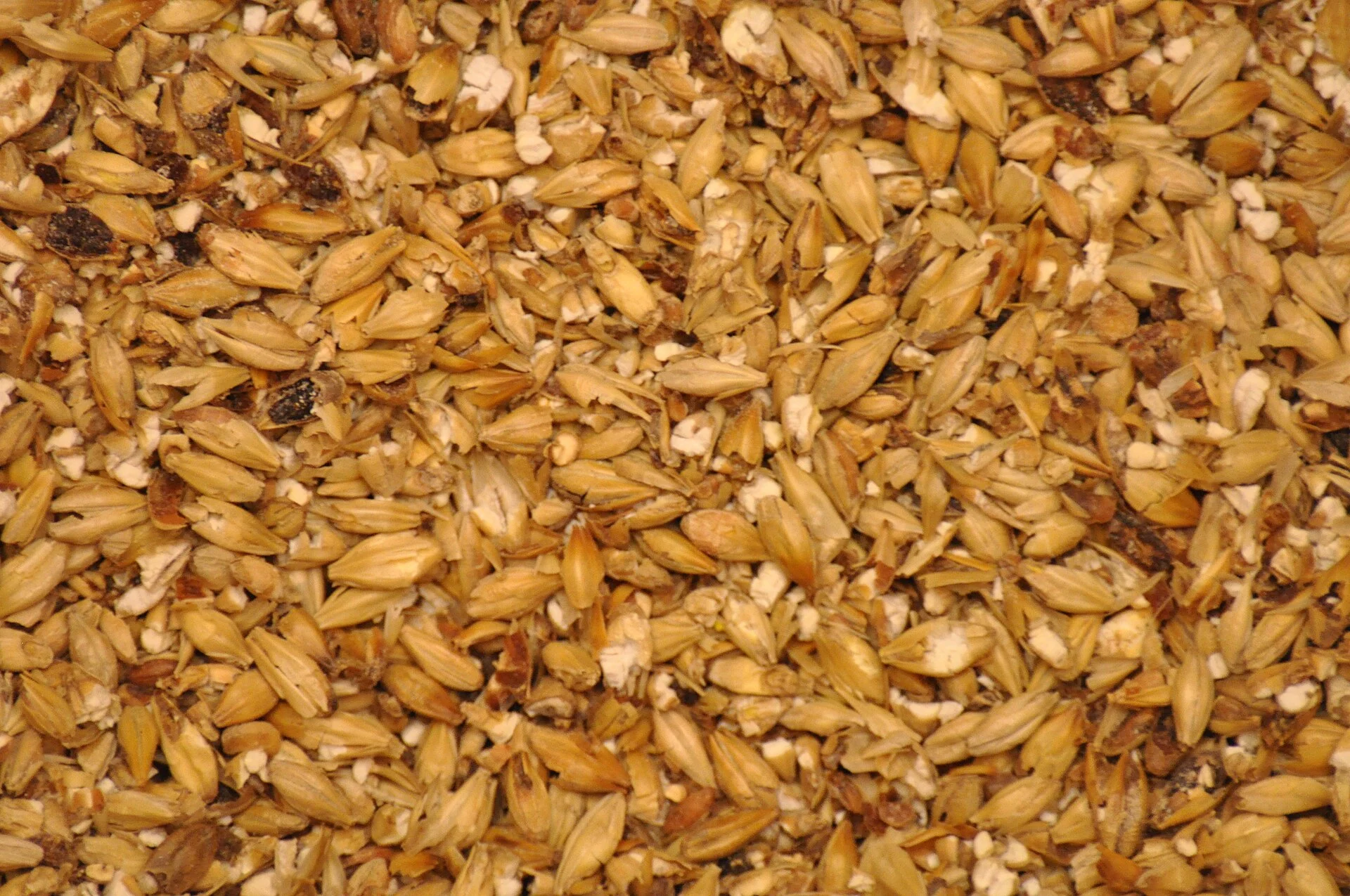
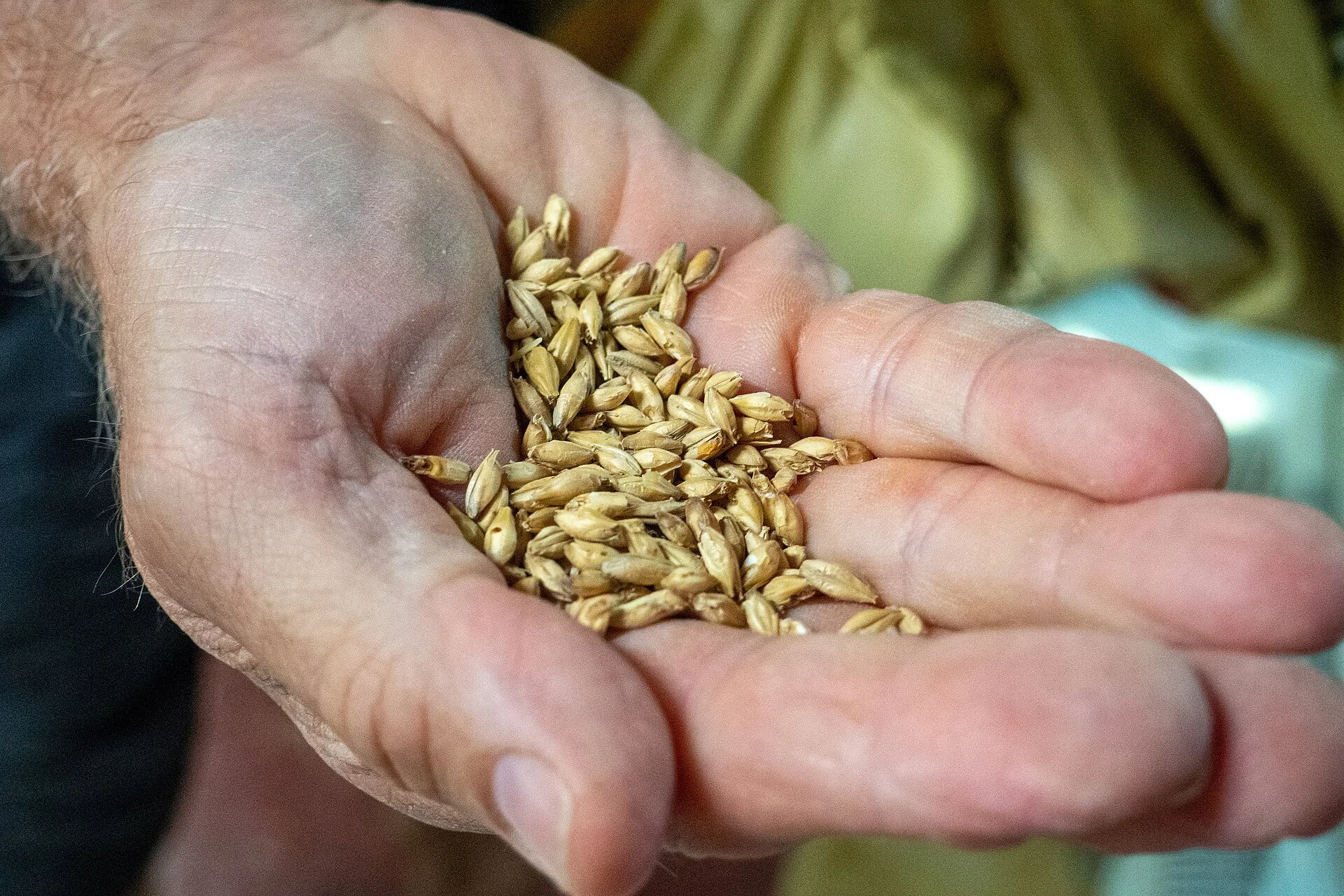
Brewers malt grain by allowing it to germinate, then drying or kilning it. Different temperatures and roasting levels change color and flavor. Pale base malt supplies fermentable material and subtle grain character. Specialty malts add toast, caramel, chocolate, roast, or other accents.
Yeast consumes much of the sugar made from malt and creates alcohol and carbon dioxide. The finished beer can taste richly malty while still ending dry. Märzen is a good example.
A malt flavor map
| Malt impression | Styles where you may notice it |
|---|---|
| Cracker or grain | Pilsner, Kölsch-style beer |
| Bread dough | Helles, Festbier |
| Toast or bread crust | Märzen, amber lager |
| Caramel or toffee | Amber ale, English porter |
| Nuts and cocoa | Brown ale, porter |
| Coffee and roast | Stout |
Style examples are references, not ingredient guarantees. Fermentation and hops can change what you notice first.
Does darker malt mean stronger beer?
No. A small amount of dark roasted malt can turn beer black without creating high alcohol. Strength depends on how much fermentable material is used and how fermentation proceeds. Read the ABV guide instead of using color as a shortcut.
Is malty the same as sweet?
No. Malty describes grain-derived aroma and flavor. Sweet describes a taste. A dry Märzen can be intensely bready. A sweet specialty beer may get much of its sweetness from ingredients other than malt.
How do you learn malt flavor?
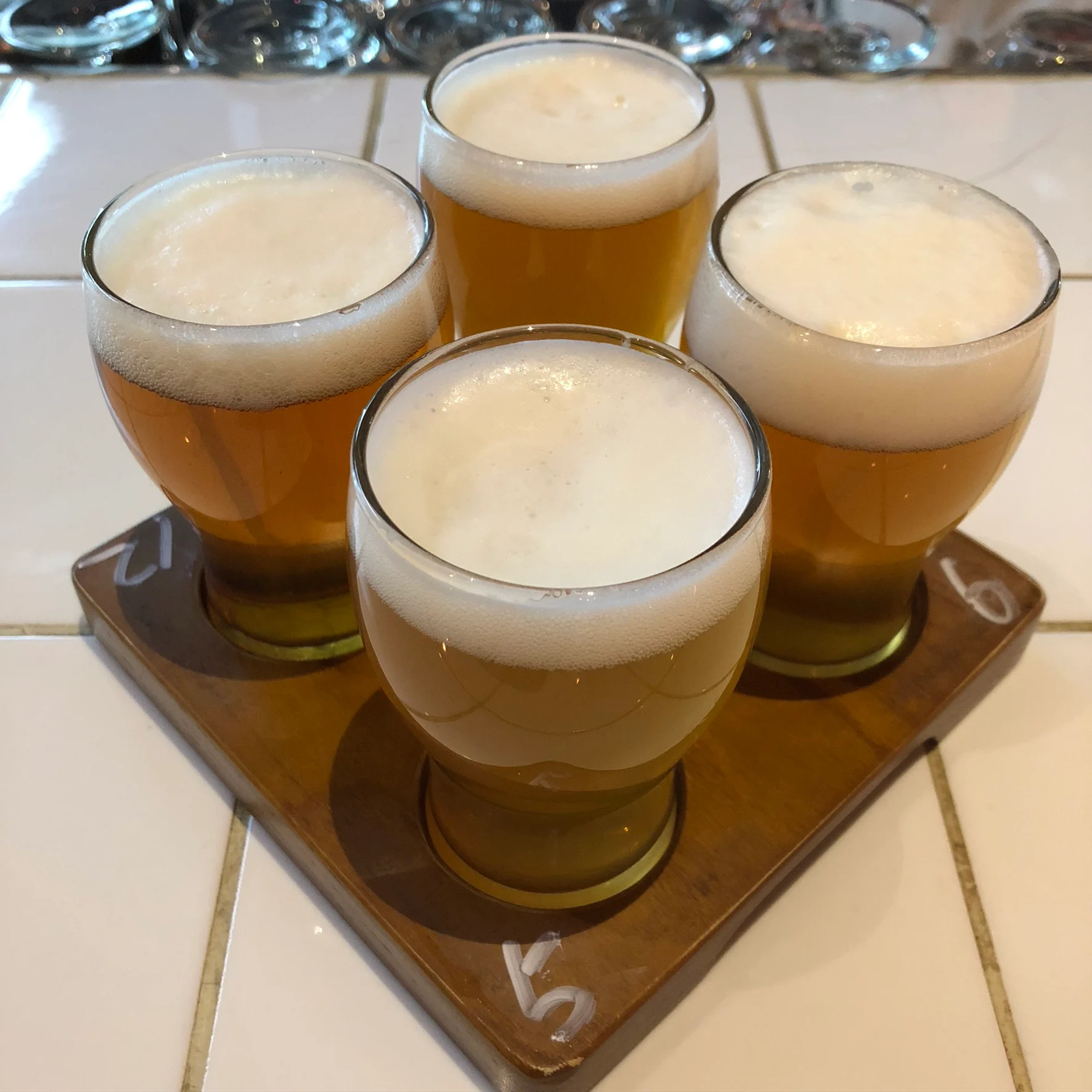
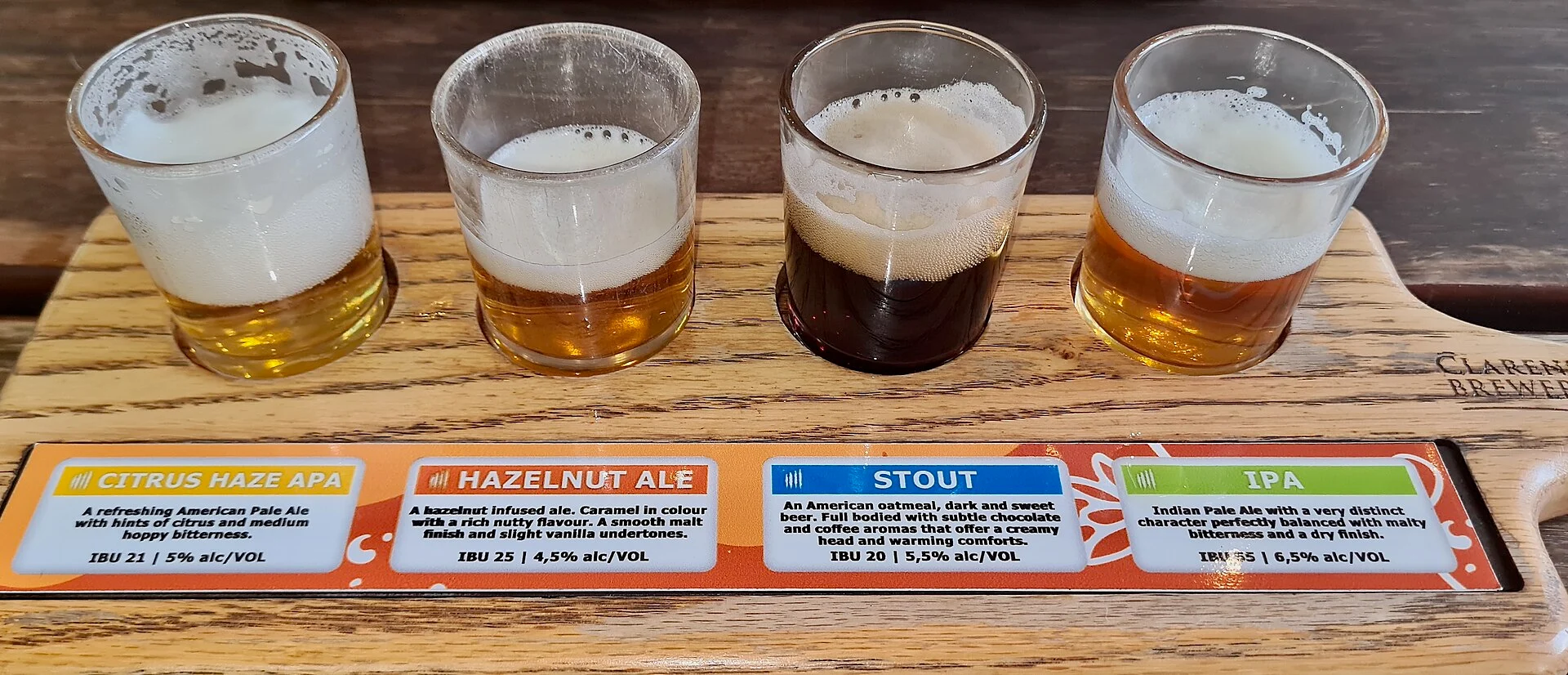
Compare a pilsner, amber lager, brown ale, and dry stout. Use similar serving sizes and taste from pale to dark. Note bread, toast, caramel, cocoa, coffee, body, and finish. The goal is not to rank darkness. It is to recognize how malt changes.
Our article on the four ingredients in beer explains how malt works with water, hops, and yeast.
Related questions
Is malt gluten-free?
Most beer malt comes from barley or wheat and contains gluten. People who must avoid gluten should use products specifically labeled for their needs.
Does malt make beer sweet?
Malt supplies sugars, but yeast ferments many of them. Malt flavor can remain even when the beer finishes dry.
Why does stout taste like coffee?
Dark roasted grains can create coffee-like flavors even when no coffee is added.