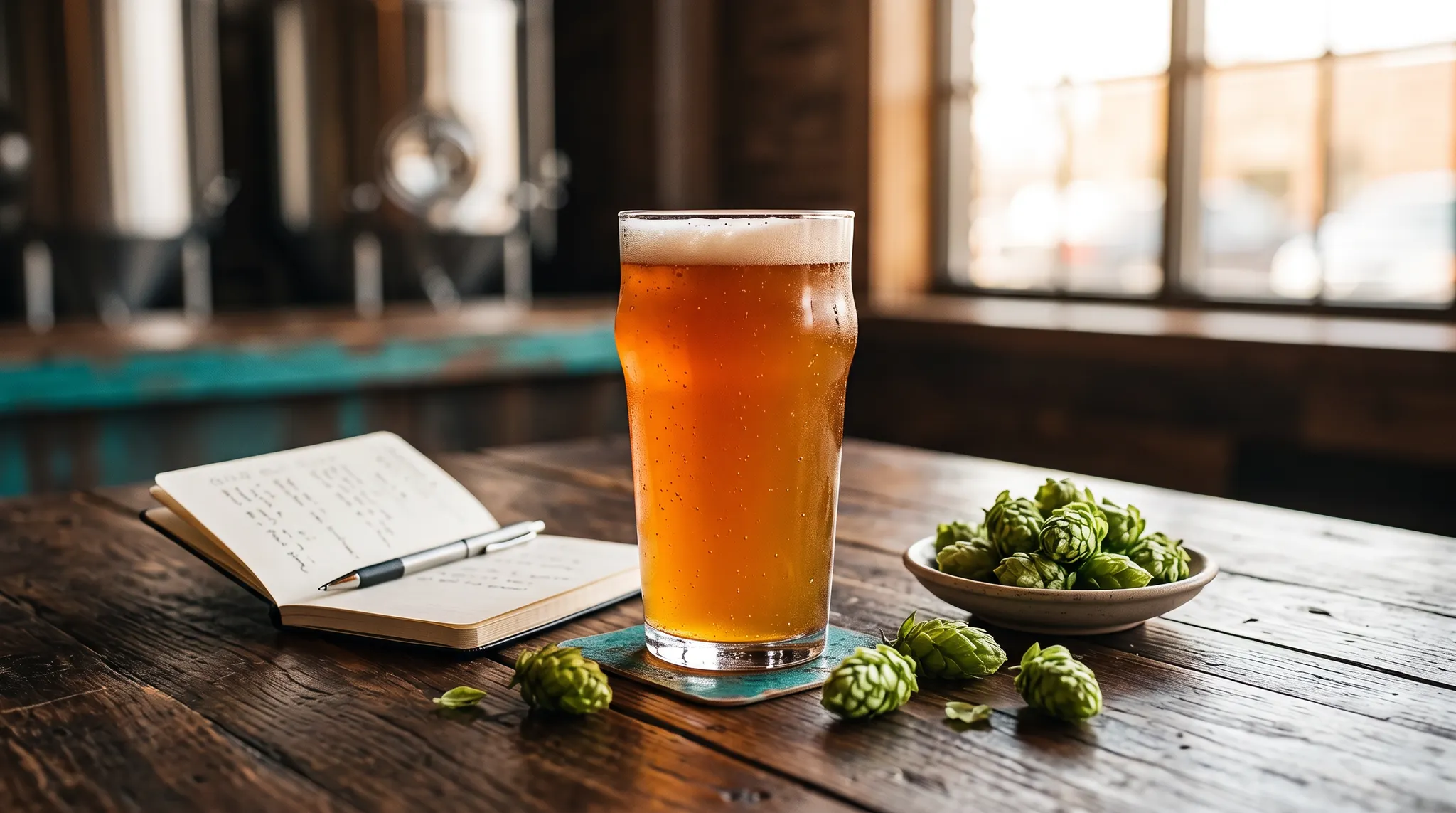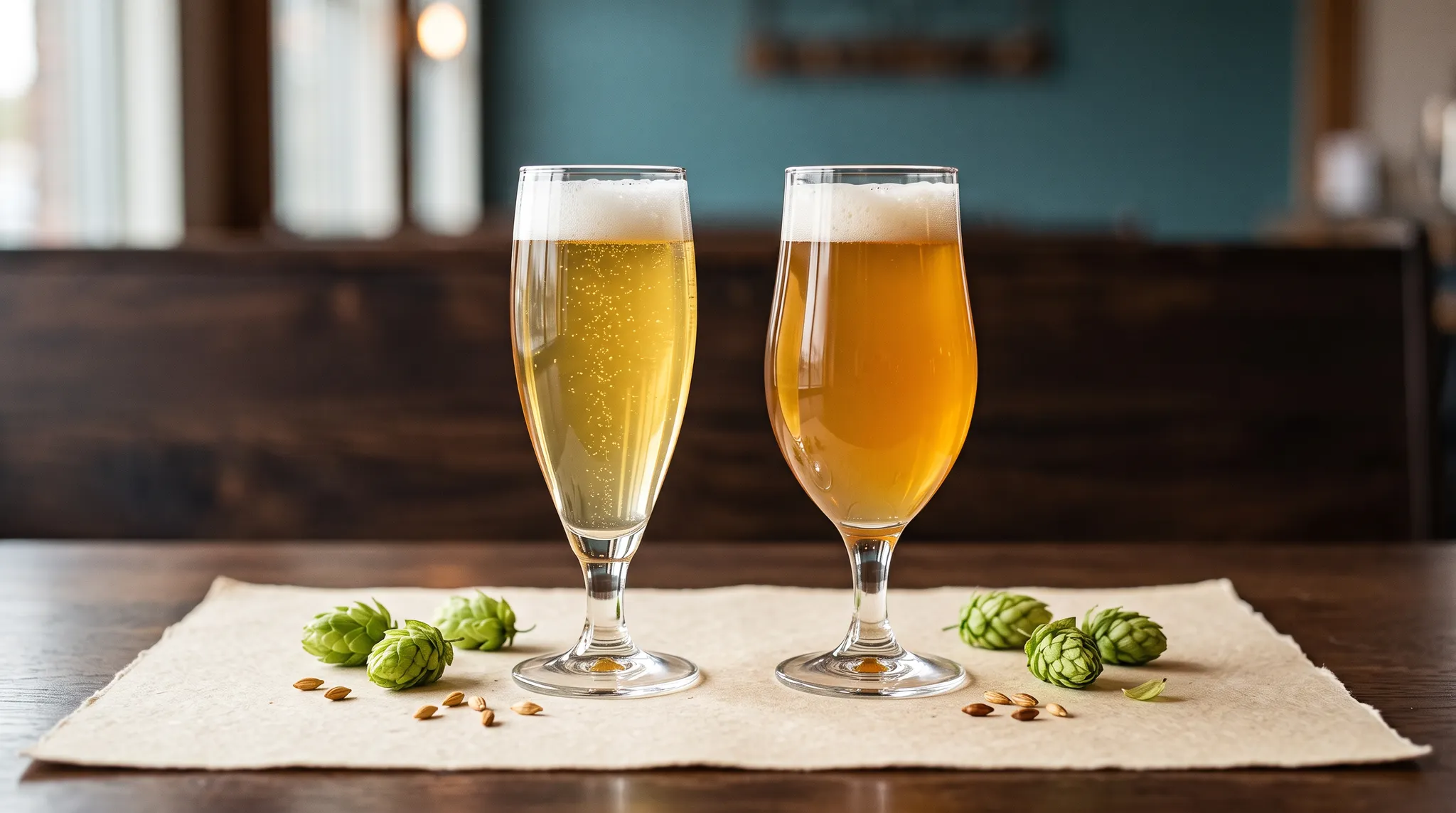
What are the four ingredients in beer, and what does each one do?
Beer starts with water, malt, hops, and yeast. Learn what each ingredient does during brewing and what you may notice in the finished glass.

The four key ingredients in beer are water, malted grain, hops, and yeast. Water sets the brewing environment. Malt supplies fermentable sugar, color, and much of the body. Hops add bitterness, flavor, and aroma. Yeast turns sugar into alcohol and carbon dioxide while creating flavors of its own.
What are the four ingredients in beer?
The Brewers Association’s beginner ingredient course identifies malted barley, water, hops, and yeast as the four key building blocks.
Brewers can add wheat, oats, corn, rice, fruit, spices, coffee, cocoa, honey, and many other ingredients. Those additions matter, but the core four give you the best map for understanding what happened in the glass.
What does water do in beer?
Water is most of the liquid in beer, but it is not neutral background. Minerals in brewing water affect mash chemistry and can shape how malt, bitterness, fullness, dryness, and finish come across.
Cicerone’s How is Beer Made? explains that modern brewers can adjust water chemistry for the beer they want to make. That means the old idea that a brewery is permanently limited to its local water is too simple.
In the glass, water’s effect is usually indirect. You may notice a sharper dry finish, a rounder malt impression, or a different bitterness shape without tasting “water” as a separate flavor.
What does malt do in beer?
Malt is grain that has been germinated and dried under controlled conditions. Barley is the classic base, though wheat and other grains can also be malted.
During mashing, enzymes help convert starches into sugars. Those sugars feed the yeast. Malt also supplies color, body, foam-supporting material, and flavors that can suggest bread, cracker, toast, caramel, cocoa, coffee, or roast.
A pale lager and a stout can both start with malt. The types of malt and how they are used help explain why the beers look and taste so different.
What do hops do in beer?
Hops can add bitterness, flavor, and aroma. Timing matters. Hops used earlier in the boil often contribute more bitterness. Later additions and dry hopping can preserve more aroma and flavor.
Hop character can suggest citrus, tropical fruit, pine, resin, flowers, herbs, spice, berries, or other impressions. Variety, growing region, processing, storage, and brewing method all affect the result.
Hops also help balance malt sweetness. That balance is central to many beer styles, even when the beer does not smell like a hop field.
What does yeast do in beer?
Yeast consumes fermentable sugar and produces alcohol and carbon dioxide. It also creates flavor compounds.
Different yeast strains and fermentation choices can emphasize clean malt and hops, fruity esters, peppery or clove-like phenols, tartness, or other characteristics. The Cicerone Certified Beer Server syllabus distinguishes common ale and lager yeast behavior while noting that other yeast and bacteria can also contribute to beer flavor.
Yeast does not simply disappear from the story after fermentation. Even when a finished beer is filtered, yeast shaped what the beer became.
How do the four ingredients become beer?
A simplified process looks like this:
- Mill: Crush the malted grain.
- Mash: Mix grain and hot water so starches become fermentable sugars.
- Separate: Draw the sweet liquid, called wort, away from the spent grain.
- Boil: Boil the wort and add hops for bitterness, flavor, or aroma.
- Cool: Bring the wort to a safe fermentation temperature.
- Ferment: Add yeast, which produces alcohol, carbon dioxide, and flavor.
- Condition and package: Let the beer develop, then move it into kegs, cans, bottles, or other packages.
This is a map, not a complete brewhouse manual. Brewers change timing, temperature, ingredients, vessels, and many smaller steps to shape a specific beer.
A taste map for the next glass
| What you notice | Ingredient to investigate first |
|---|---|
| Bread, cracker, toast, caramel, cocoa, or roast | Malt |
| Citrus, pine, tropical fruit, flowers, herbs, or firm bitterness | Hops |
| Fruit, spice, pepper, clove, or a very clean fermentation profile | Yeast and fermentation |
| A sharper dry finish or rounder fullness | Water chemistry, plus the full recipe |
No flavor belongs to only one ingredient. The table gives you a first question, not a final verdict.
What should you read next?
To see how hops can lead without acting alone, read What is an IPA?. To compare a narrow style with its larger beer family, read Pilsner vs lager.
Related questions
Which ingredient makes alcohol?
Yeast produces alcohol by fermenting sugars that came largely from malt.
Which ingredient makes beer bitter?
Hops are the main source, but the full recipe and the drinker affect perceived bitterness.
Can beer contain other ingredients?
Yes. Fruit, spices, coffee, sugars, other grains, and many additional ingredients can be part of a beer recipe.