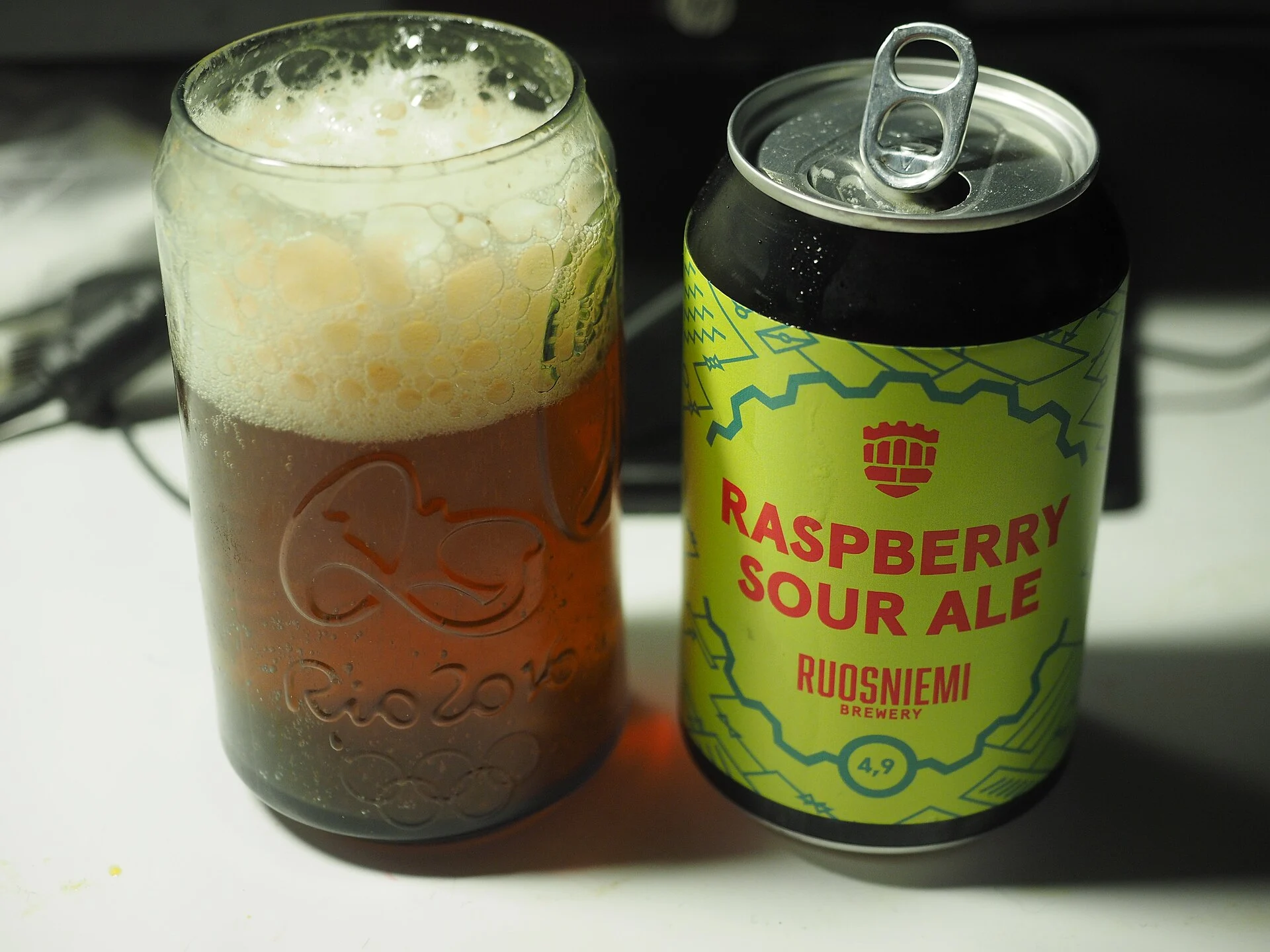
IPA
IPA
An IPA is a hop-forward ale, but it does not have one fixed taste. Learn how bitterness, aroma, malt, and major IPA styles change the glass.
See the style
Most beer belongs to one of two main families, ale or lager. Here is how each style tastes, how strong it runs, and what to try next.
Beer styles are shorthand for what is in the glass. Ales ferment warmer and often show fruit or spice from the yeast. Lagers ferment cooler and lean clean. Within each family, color, strength, and bitterness vary a lot, so a style name tells you more than the family alone. Each guide below covers flavor, strength, serving, food, and a few beers worth finding.
India pale ales put hops first, from soft and fruity hazy IPAs to dry, bitter West Coast versions.
An IPA is a hop-forward ale, but it does not have one fixed taste. Learn how bitterness, aroma, malt, and major IPA styles change the glass.
See the style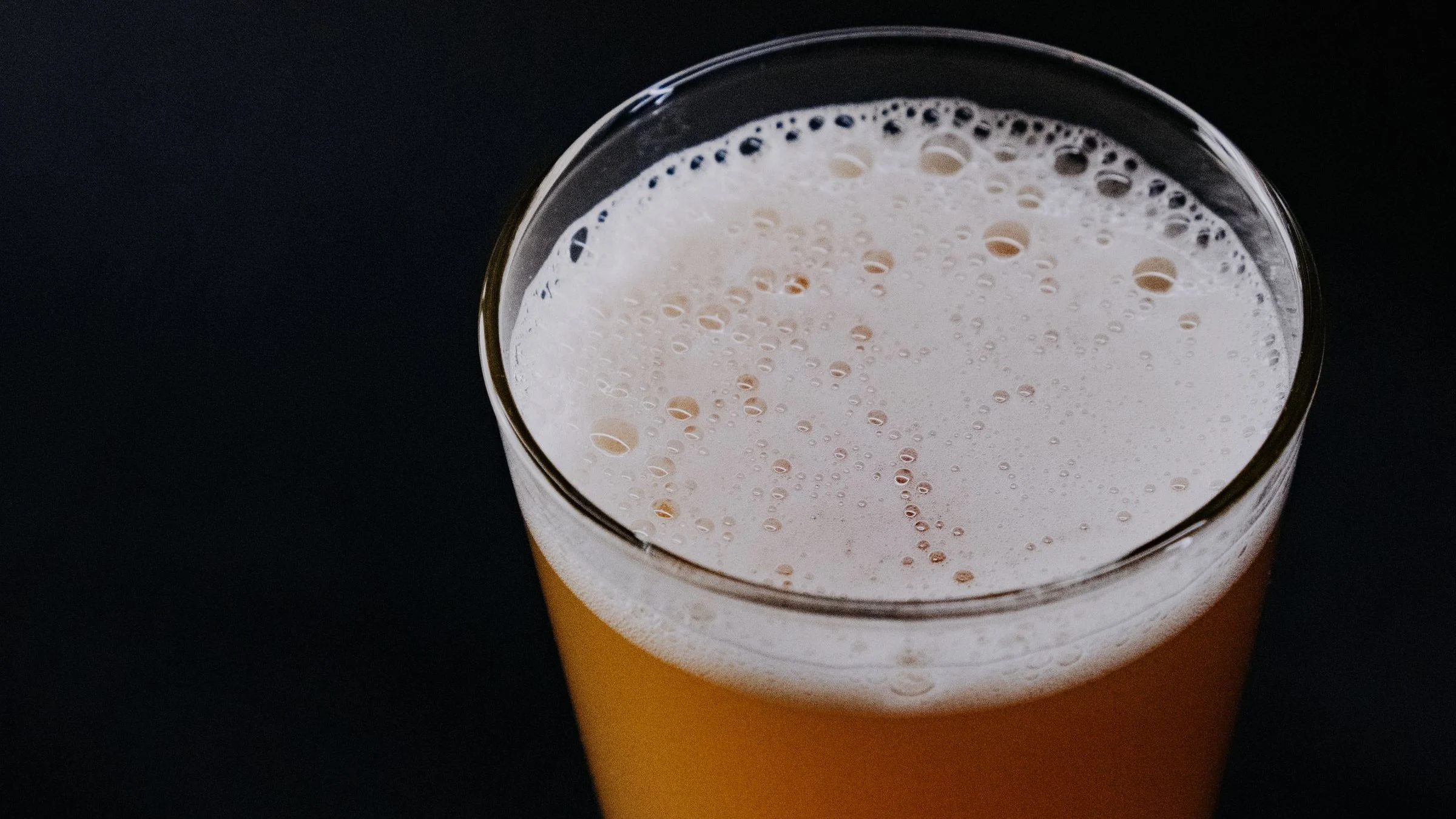
Hazy IPA is a fruit-forward, hop-heavy IPA with a softer body and lower perceived bitterness than many traditional American IPAs.
See the style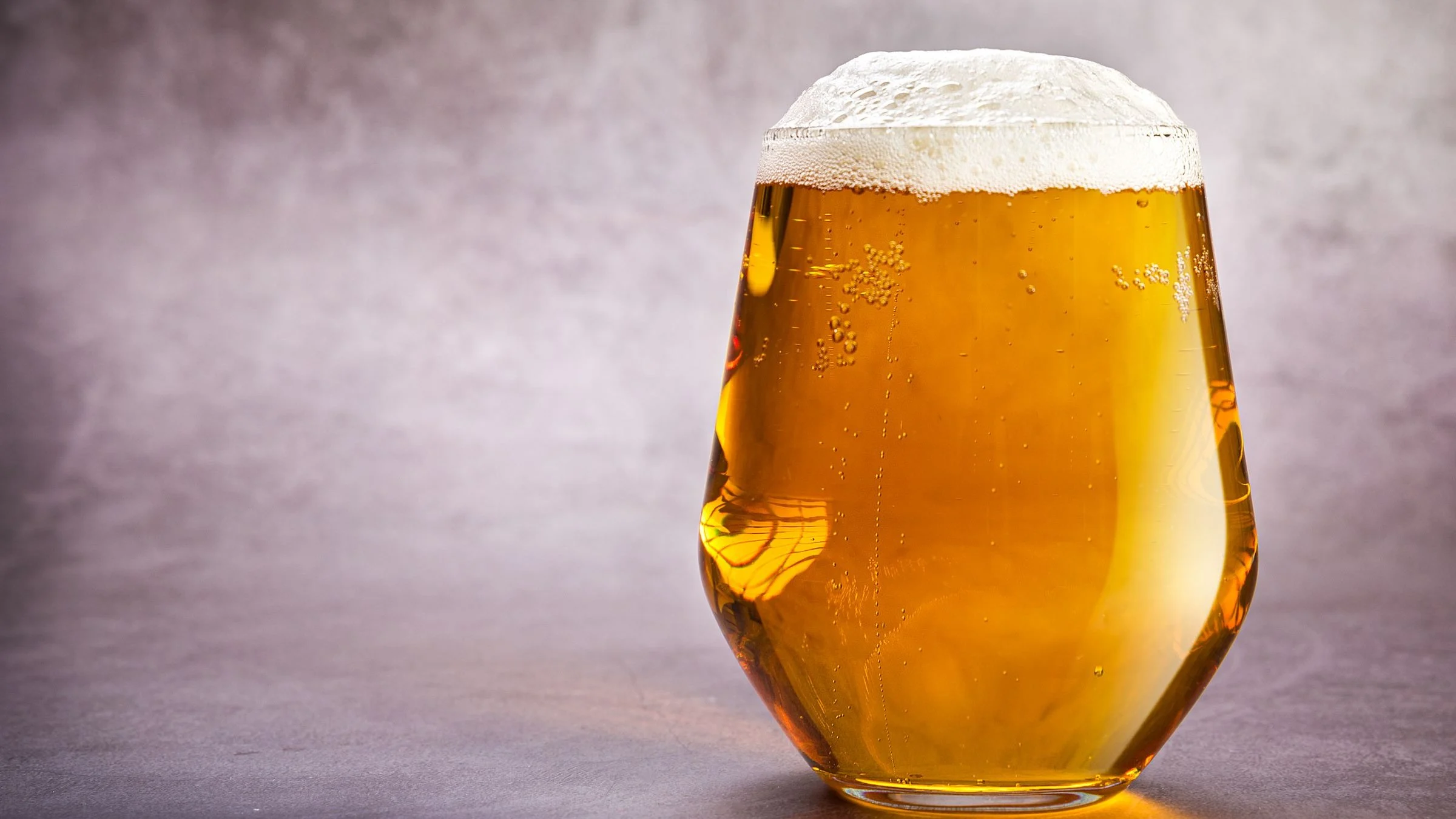
West Coast IPA is a clear, dry American IPA with firm bitterness and citrus, pine, or resin hops. It is crisper and more bitter than hazy IPA.
See the styleBalanced ales where malt and hops share the work, from crisp pale ale to toasty amber and red.
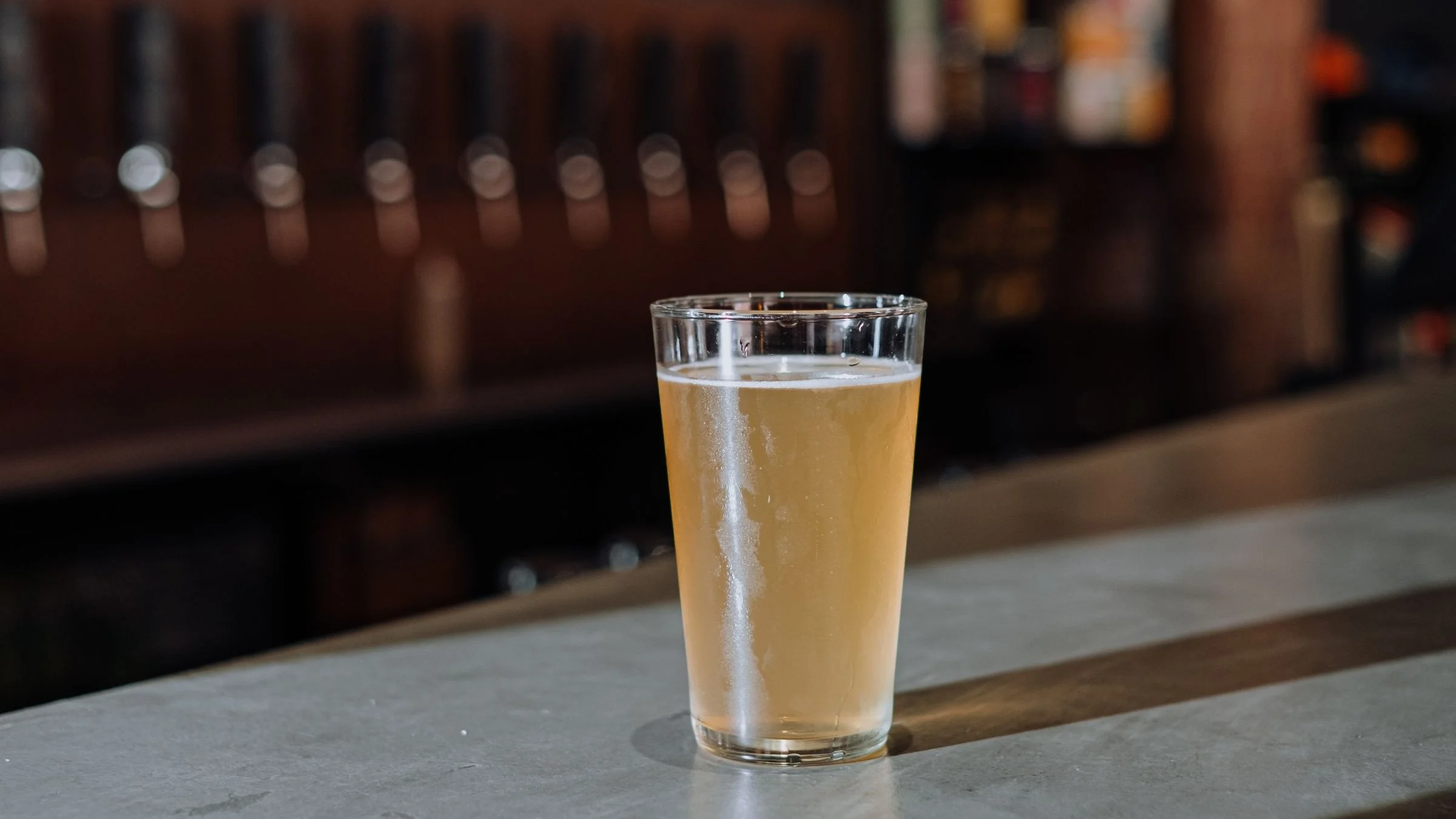
American pale ale is a balanced, hop-forward ale with less alcohol and hop intensity than American IPA. Malt remains present without taking over.
See the style
American amber ale combines caramel malt, toast, and moderate hop character. It is darker and maltier than pale ale without becoming porter-like.
See the style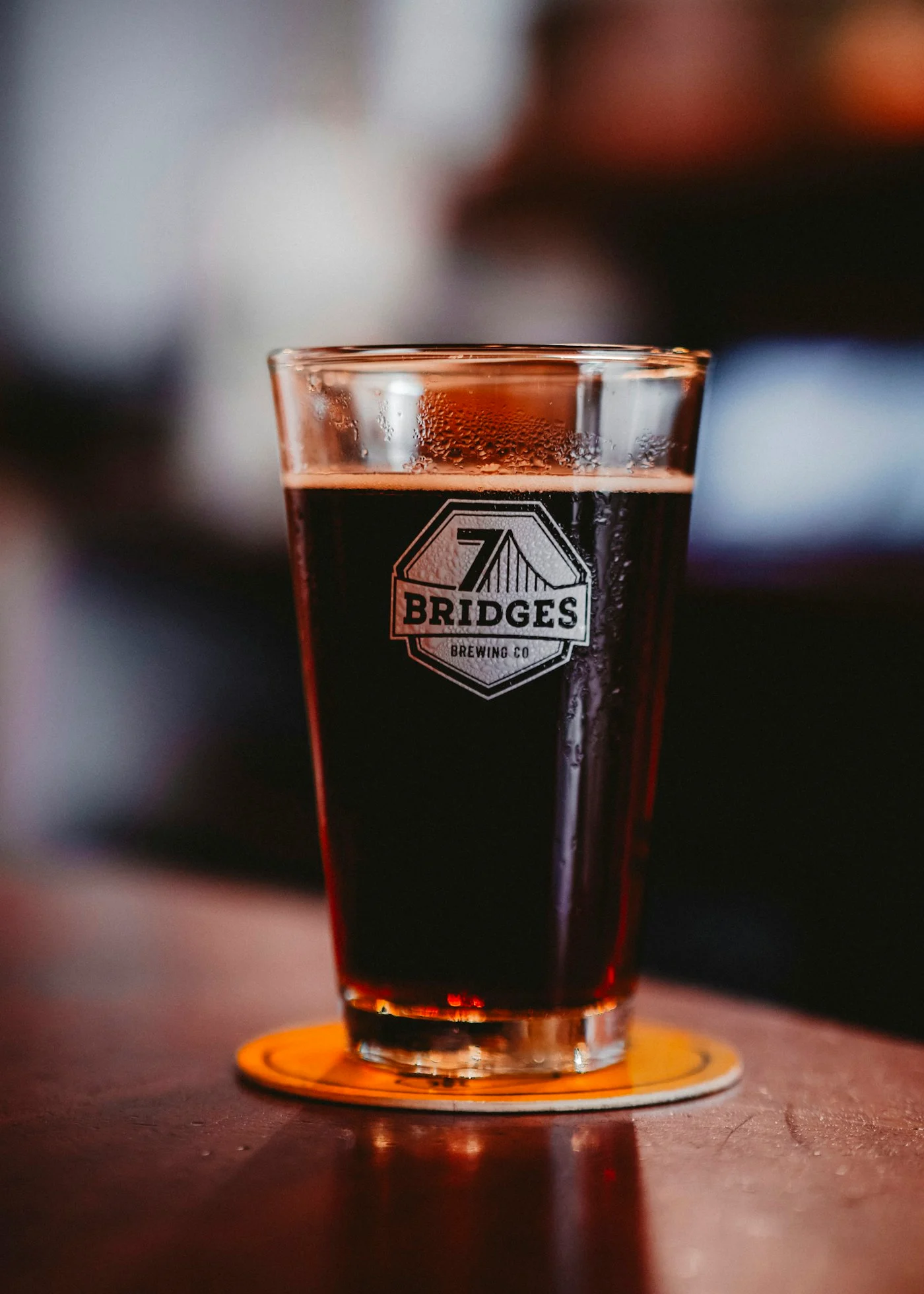
American brown ale combines chocolate, caramel, nuts, toast, and supporting hops while stopping short of porter or stout roast.
See the styleCool-fermented beers with a clean profile, in every color from pale pilsner to dark schwarzbier.
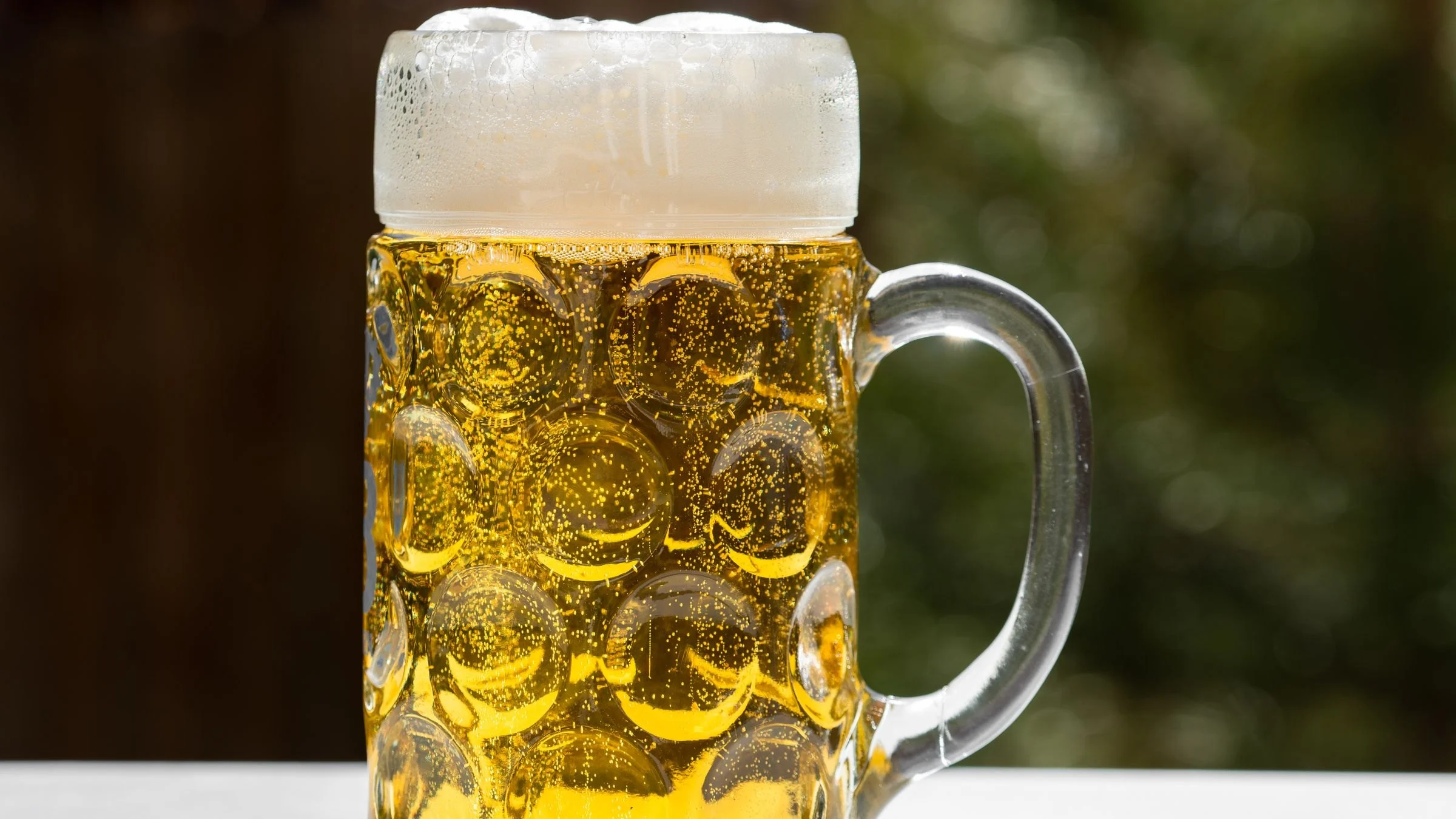
Lager is the beer family fermented cool and conditioned cold. It runs from pale pilsner to dark dunkel, and from crisp to malty.
See the style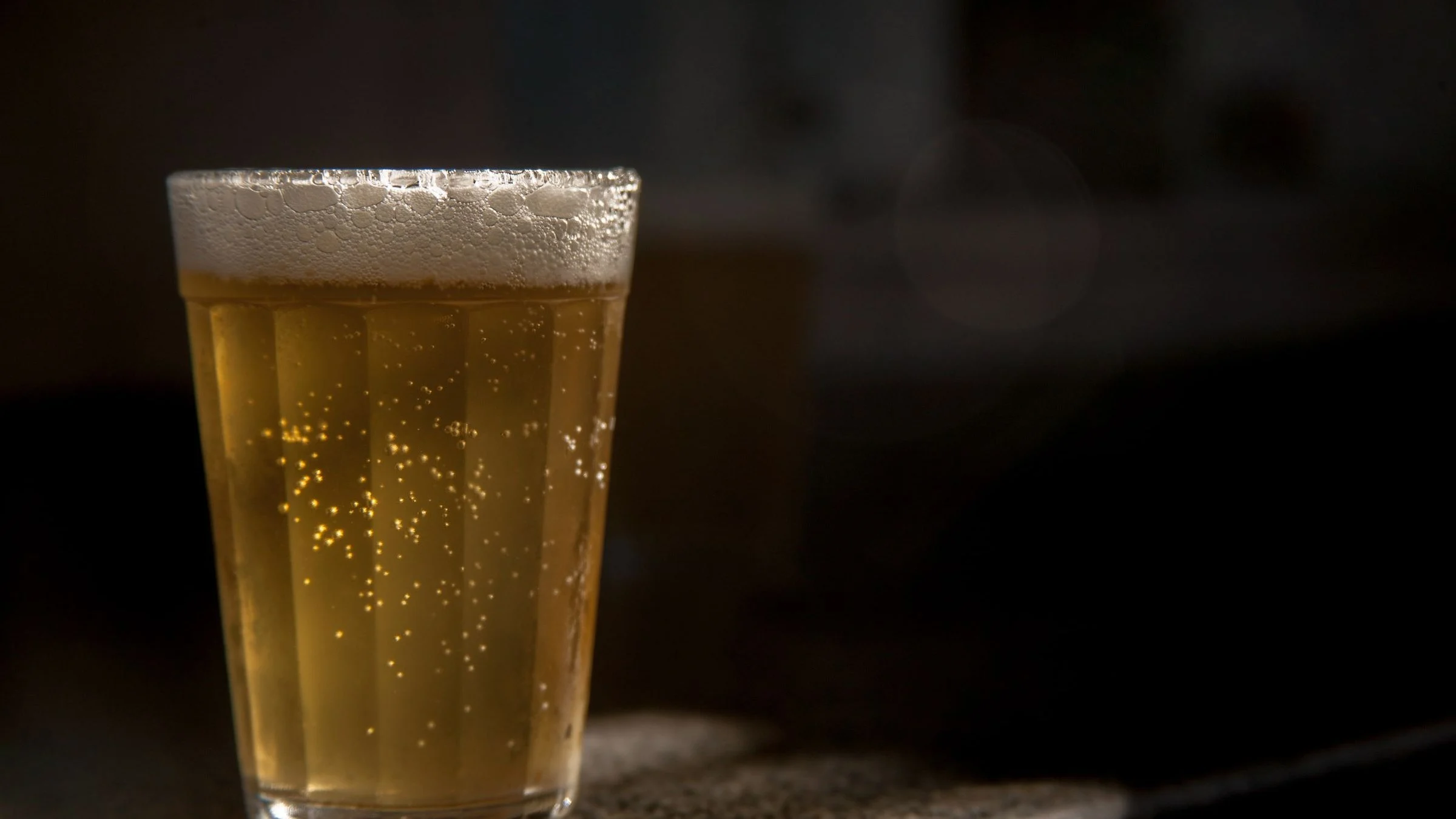
Pilsner is a pale, crisp lager with a dry finish and clear hop bitterness. German and Czech versions take it in different directions.
See the style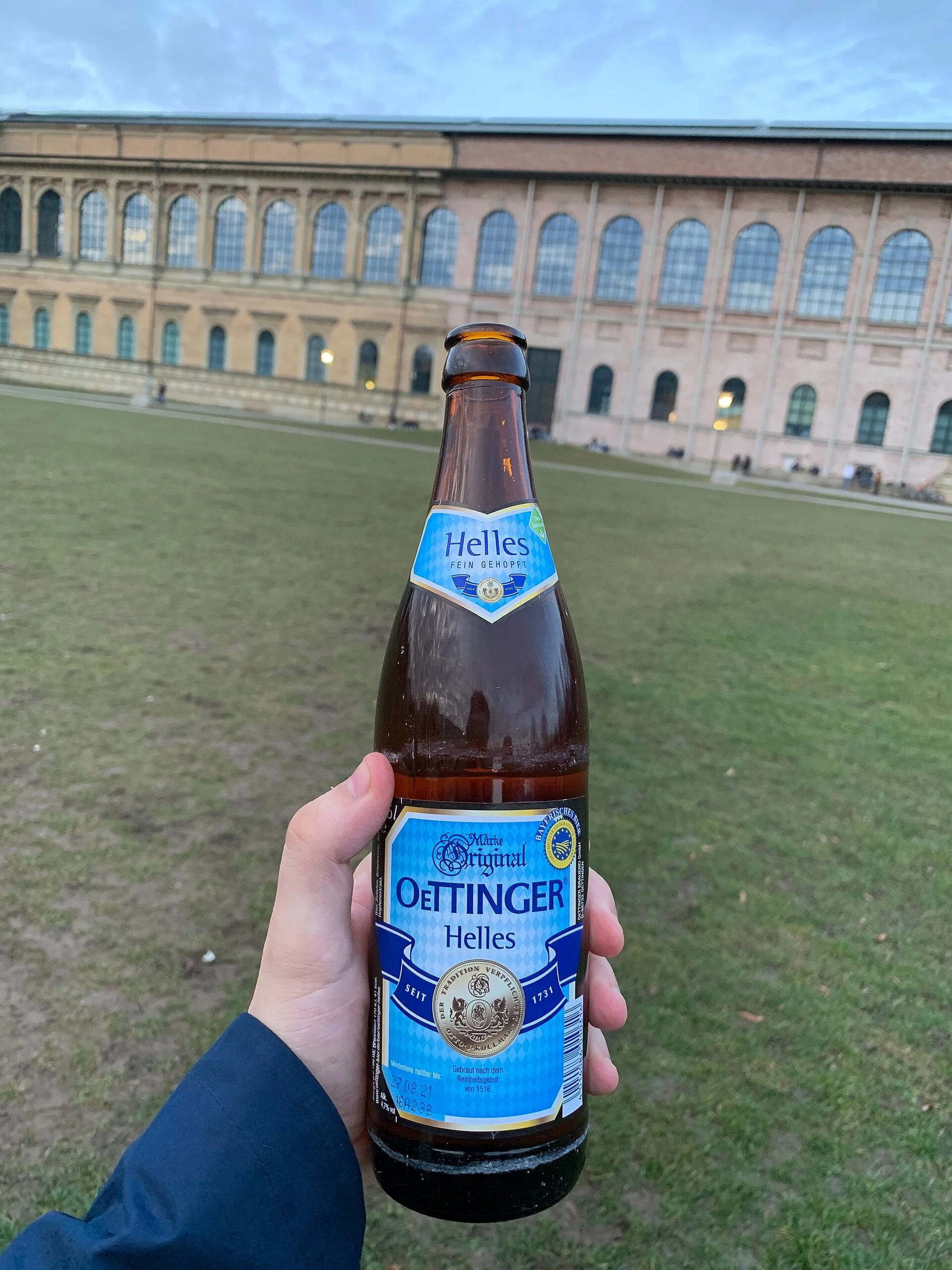
Munich Helles is a pale German lager with soft bread-like malt, restrained bitterness, clean fermentation, and a smooth dry finish.
See the styleDark ales built on roasted malt, with flavors that run from coffee and chocolate to creamy sweetness.
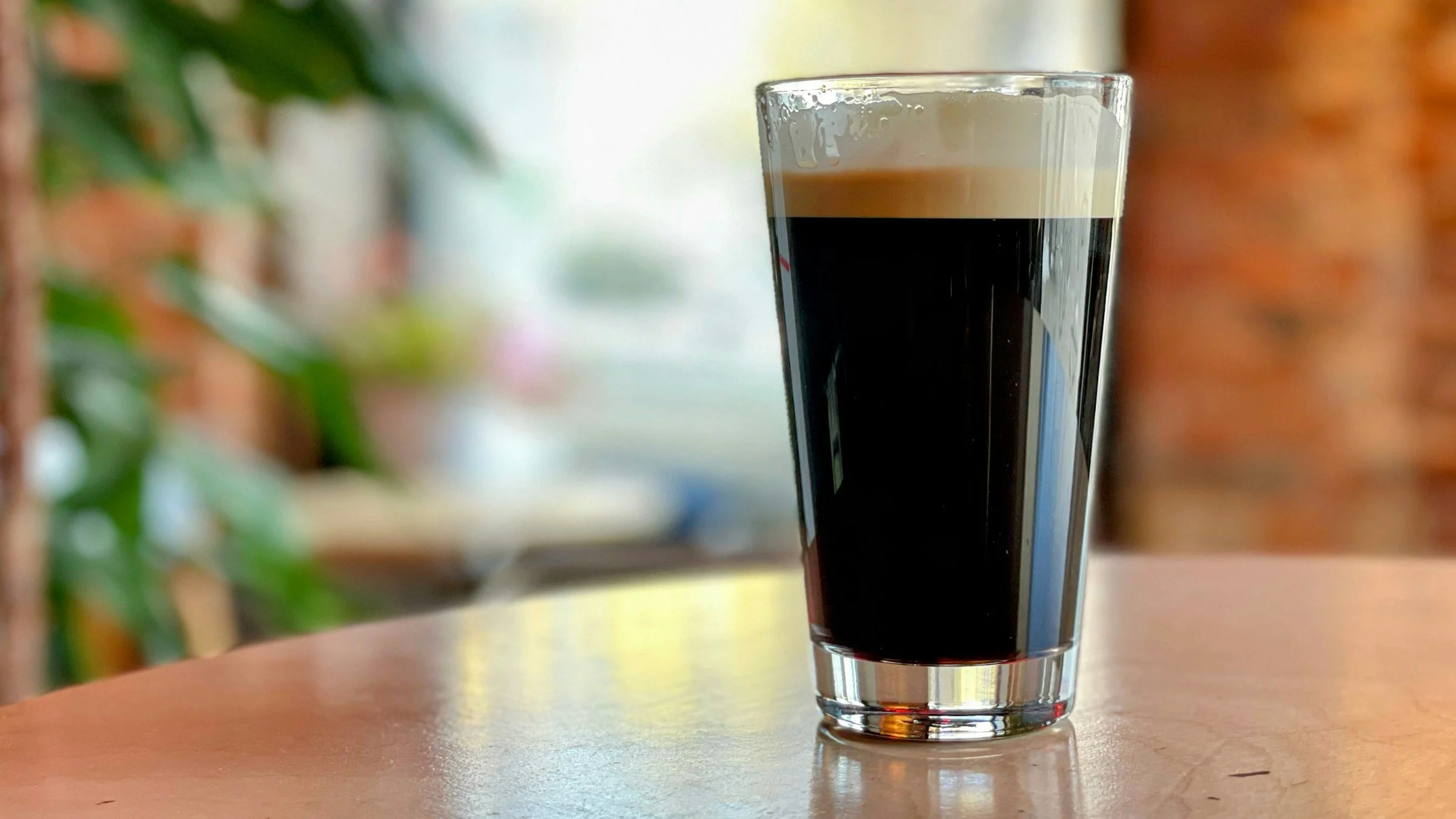
Stout is a family of dark, roasty beers. See how dry Irish, milk, oatmeal, tropical, foreign extra, American, and imperial stout differ.
See the style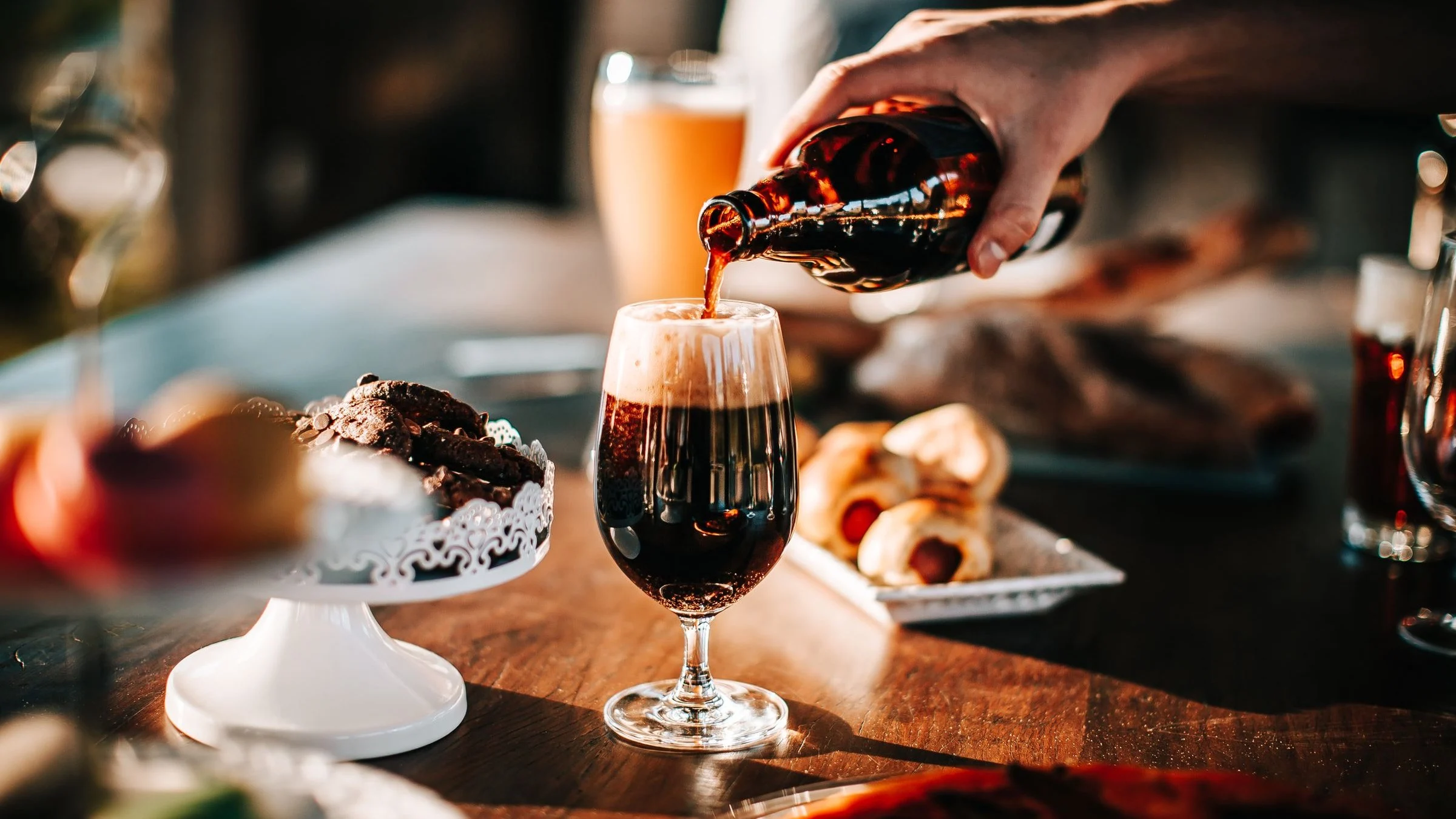
Porter is a dark brown ale with chocolate, caramel, and toasty malt. English and American versions differ in strength, hops, and roast.
See the style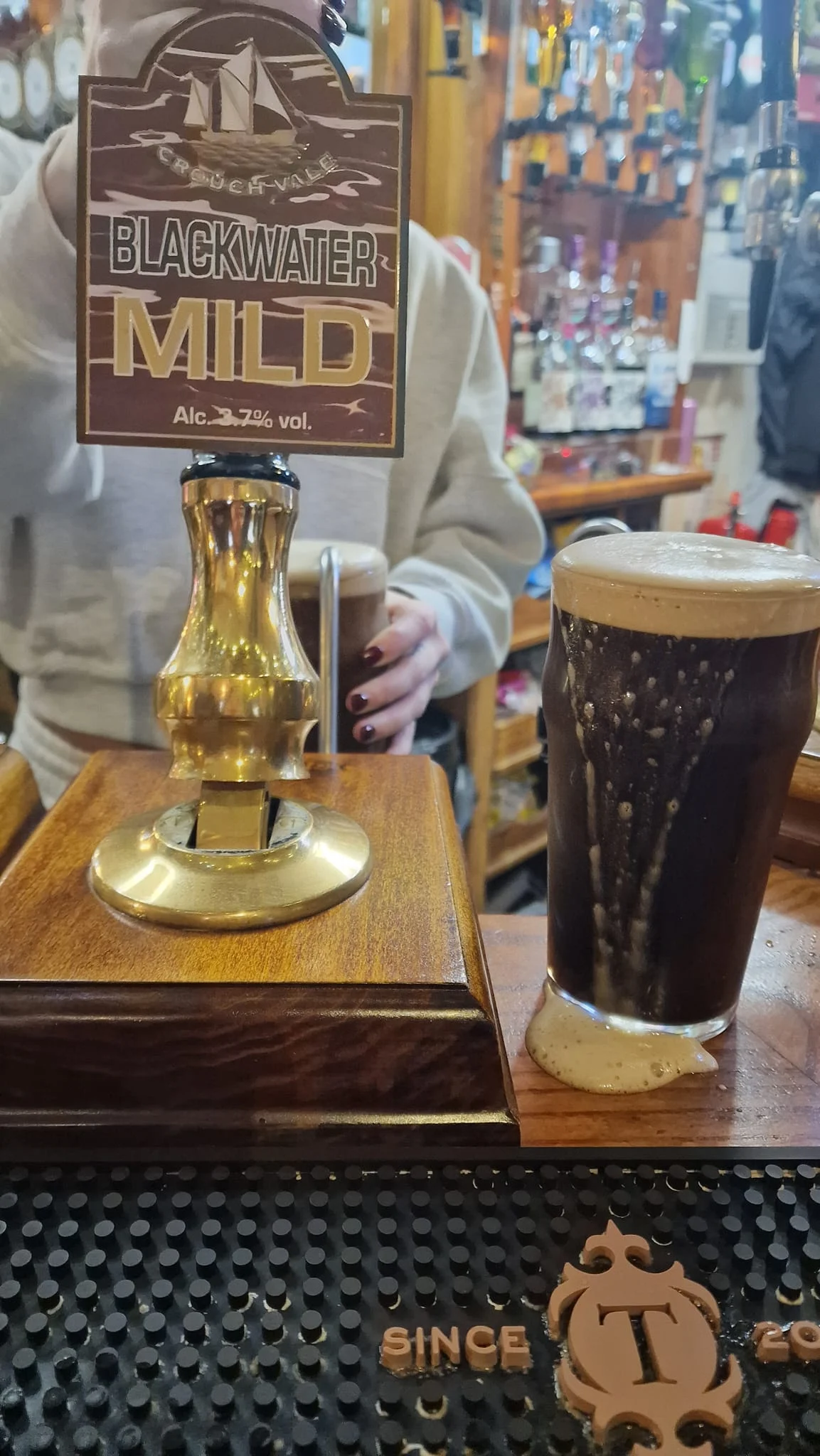
Milk stout is sweet stout brewed with lactose, a milk-derived sugar that brewer's yeast does not fully ferment. Expect sweetness and fuller body.
See the style
Imperial stout is a strong, intensely flavored dark ale with roast, chocolate, dark fruit, and warming alcohol. Strength varies, so check ABV.
See the styleBeers brewed with a large share of wheat, often hazy and soft, with fruit or spice from the yeast.
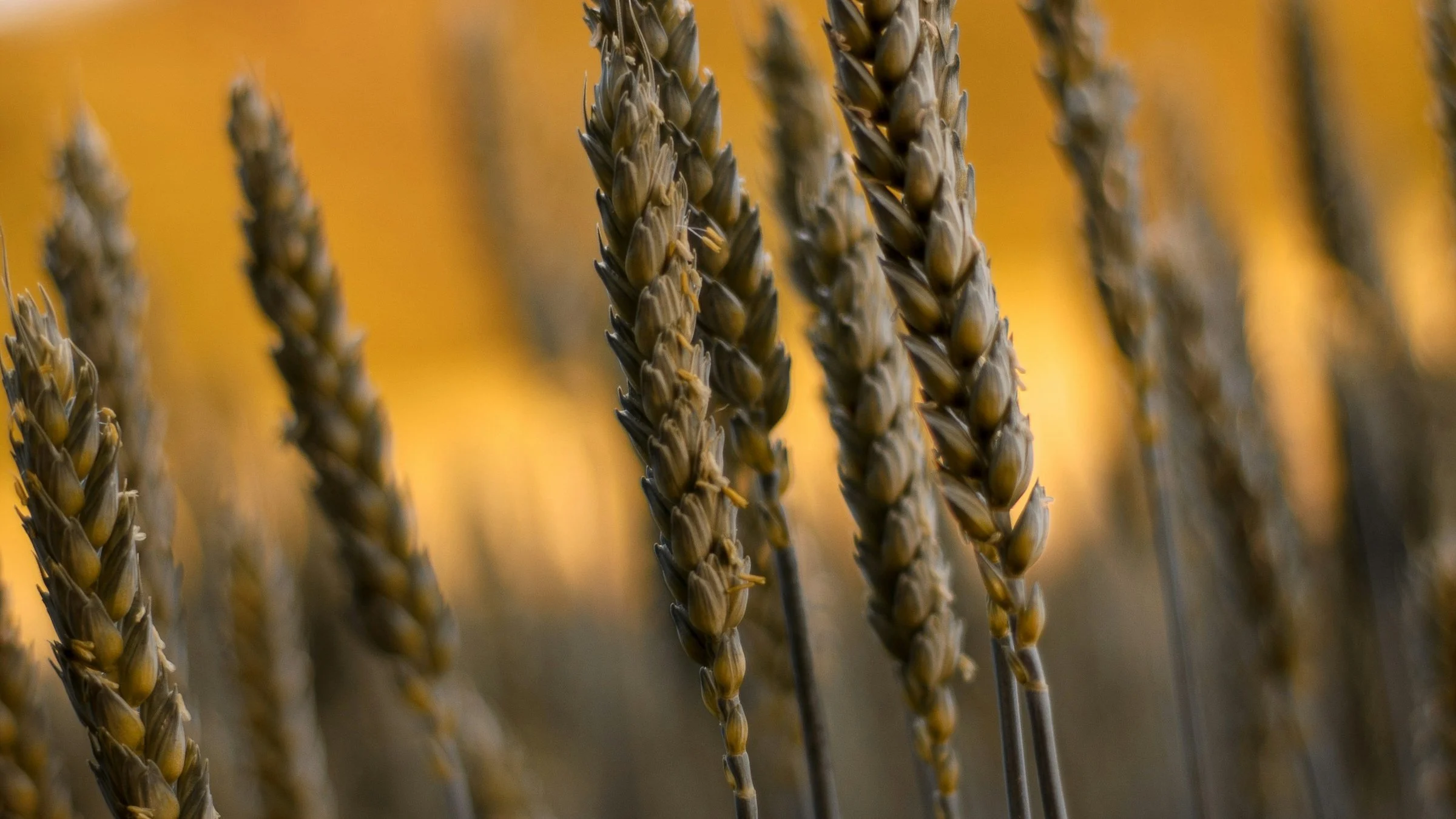
Wheat beer is brewed with a large share of wheat. The family runs from banana-and-clove hefeweizen to spiced witbier and tart gose.
See the style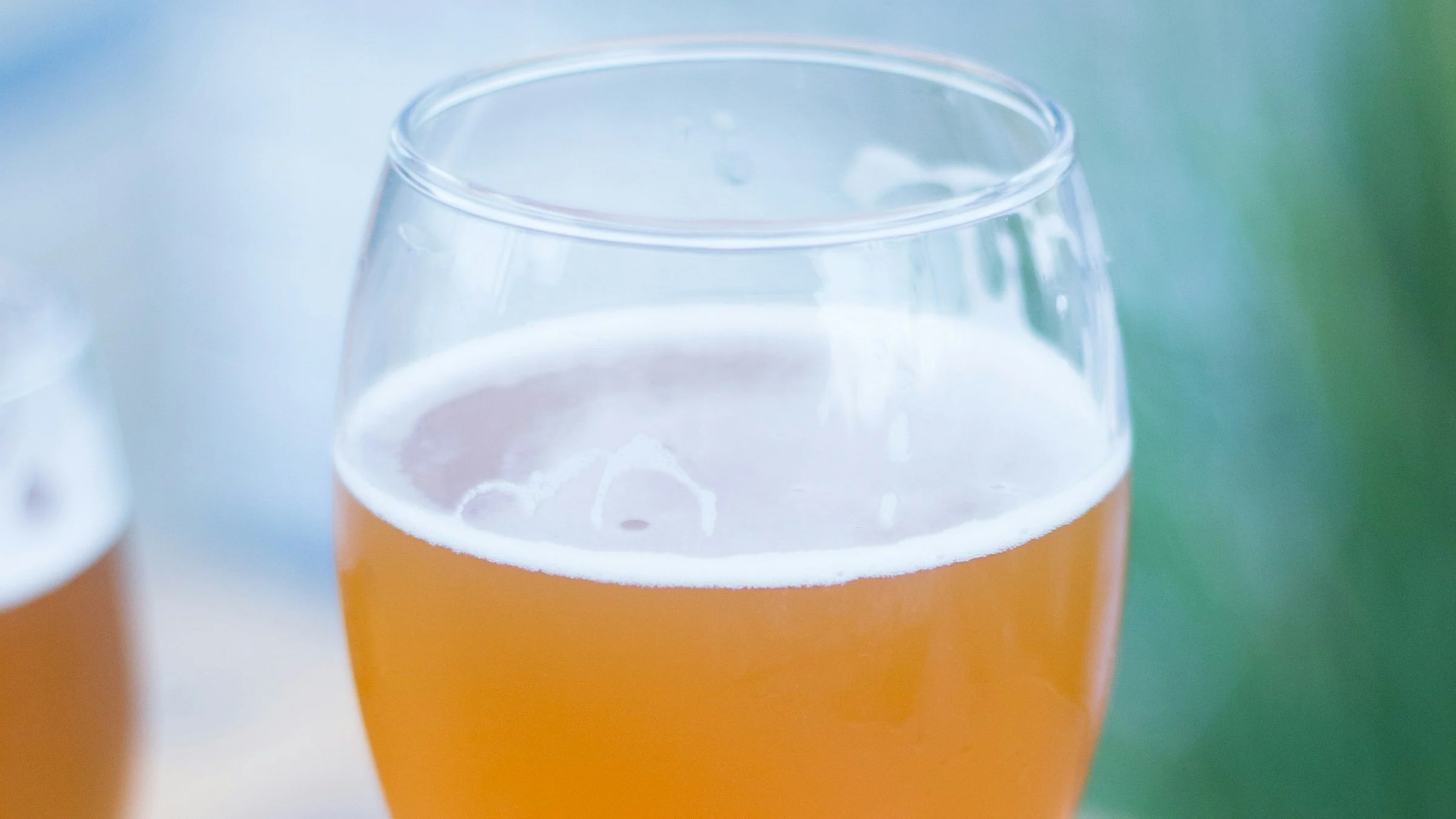
Hefeweizen is a German wheat beer with banana and clove-like fermentation character, high carbonation, a cloudy body, and little bitterness.
See the styleTart beers soured on purpose, from light, salty gose to complex, aged lambic.
ABV ranges come from each style's guide. Bitterness is our editorial read on a five-step scale.
| Style | Family | ABV | Bitterness |
|---|---|---|---|
| Hazy IPA | IPA | 6–9% | Medium |
| Hefeweizen | Wheat | 4.3–5.6% | Medium-low |
| Pale ale | Pale and amber ale | 4.5–6.2% | Medium-high |
| Pilsner | Lager | 4.2–5.8% | Medium-high |
| Porter | Stout and porter | 4–6.5% | Medium-high |
| West Coast IPA | IPA | 5.5–7.5% | High |
Taproom Notes
Get new guides, taproom notes, and first-drop updates.