
What is American pale ale? Hop flavor without the full IPA commitment
American pale ale is a balanced, hop-forward ale with less alcohol and hop intensity than American IPA. Malt remains present without taking over.
Also known as: American pale ale and APA
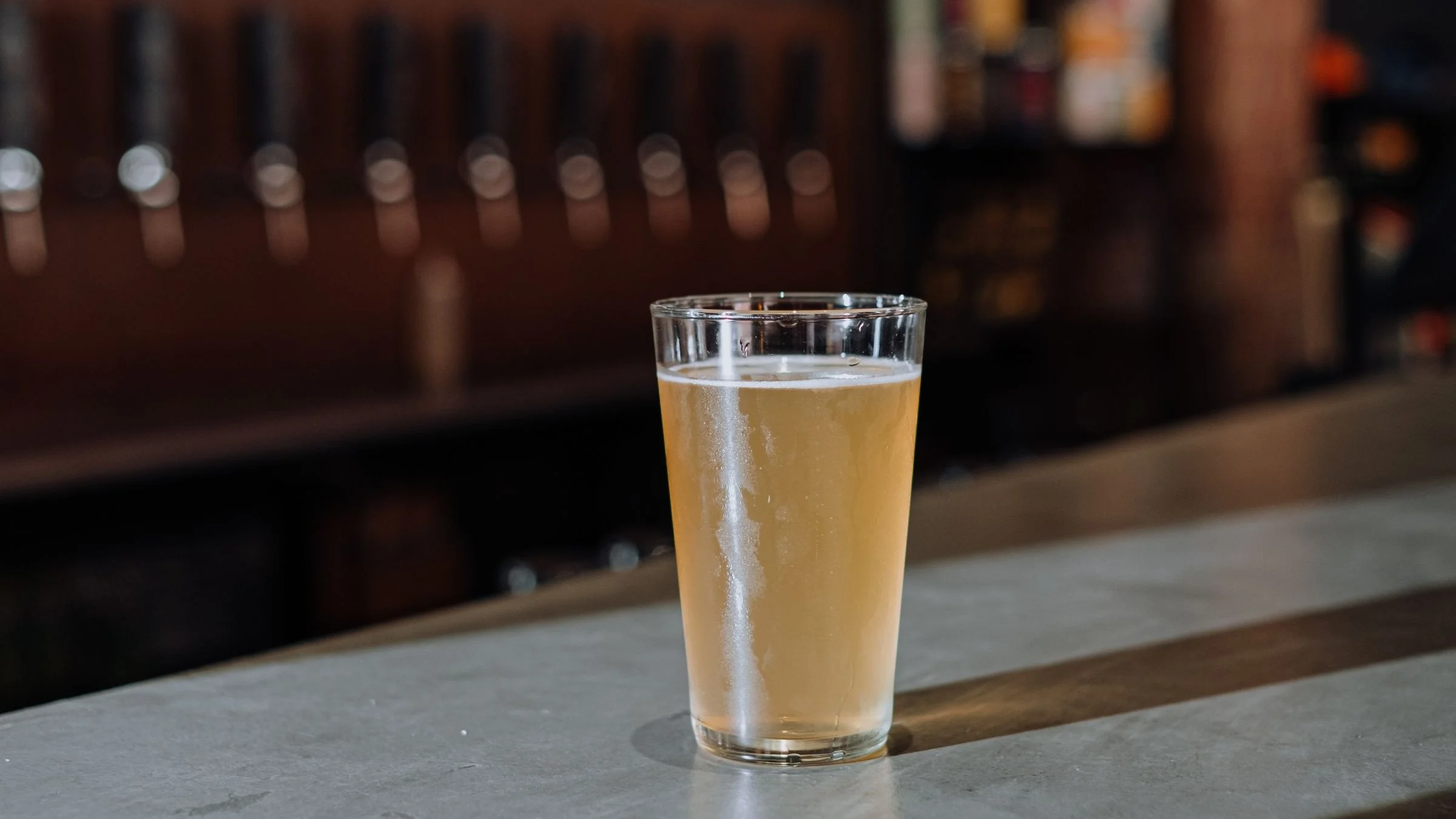
American pale ale is a hop-forward, average-strength American ale with enough malt to stay balanced and drinkable. It commonly shows citrus, pine, flowers, tropical fruit, stone fruit, berries, melon, or spice from hops, but it is usually less intense and lower in alcohol than American IPA.
- ABV
- 4.5–6.2%
- Bitterness
- 30–50 IBU
- Color
- Pale golden to amber, SRM 5–10
- Body
- Medium-light to medium
- Glass
- Pint or nonic glass
- Serving temp
- 40–48°F
- Best fresh within
- Follow the brewery's date
Ranges from BJCP 2021 style 18B American Pale Ale.
Craft Beer Critics flavor read
Scores are our editorial judgment, based on BJCP style descriptions.
Flavor notes: Citrus, pine, light bready malt
Bitterness: 4 of 5
Sweetness: 2 of 5
Roast: 1 of 5
Fruitiness: 4 of 5
Tartness: 1 of 5
Body: 3 of 5
How does pale ale taste?
Hops lead, while pale malt adds grain, bread, toast, biscuit, or restrained caramel. The finish is medium to dry. Bitterness is noticeable, but a good example should not feel harsh.
The BJCP American Pale Ale guide describes a clean, balanced beer with moderate to moderately high hop aroma and supporting malt.
Where did pale ale come from?
American pale ale is the American craft version of English pale ale, rebuilt around American ingredients. The BJCP guide credits Sierra Nevada Pale Ale, first brewed in 1980, with helping popularize the style. Before IPA took off, pale ale was the most familiar and popular American craft beer style.
Its hop character comes from American or New World varieties. The BJCP lists citrus, flowers, pine, resin, spice, tropical fruit, stone fruit, berries, and melon as possibilities, and says none of them is required. What matters is that you can smell the hops.
The recipe is simple. The BJCP lists neutral pale malt, American or New World hops, a neutral to lightly fruity ale yeast, and small amounts of specialty malt.
Pale ale also sits close to the start of the IPA story. The BJCP notes that Anchor Liberty Ale, first brewed in 1975 and generally believed to be the first modern American craft IPA, now tastes more like an American pale ale next to today's IPAs.
Pale ale vs IPA
| Trait | American pale ale | American IPA |
|---|---|---|
| Hop intensity | Moderate to high | Medium to very high |
| Alcohol | Usually lower | Usually higher |
| Malt role | Clearly supportive | Often lighter and more restrained |
| Bitterness | Noticeable | Usually firmer |
| Occasion | Everyday hop flavor | A bigger hop statement |
These are tendencies, not laws. The BJCP puts American pale ale at 4.5 to 6.2 percent ABV and 30 to 50 IBU, against 5.5 to 7.5 percent and 40 to 70 IBU for American IPA, so the two ranges overlap.
The line can blur because modern pale ales sometimes resemble lower-strength IPA. The brewery's intended balance matters more than a fixed border.
Is pale ale pale?
It is pale relative to historic brown and dark ales, not necessarily compared with a light lager. American pale ale ranges from pale golden to amber.
Pale ale vs amber and brown ale
Pale ale sits between IPA and the maltier American ales. Move one way and the hops get louder. Move the other way and the malt gets darker and sweeter.
American amber ale developed as a variation on pale ale. The BJCP American Amber Ale guide describes it as darker, more caramel-forward, fuller in body, and generally less bitter in the balance. The two can overlap in color, so taste for caramel. In pale ale it is usually absent or restrained.
American brown ale goes further. The BJCP American Brown Ale guide gives it more chocolate and caramel than pale or amber ale, with less prominent bitterness. Its range of 20 to 30 IBU sits below pale ale's 30 to 50.
Two lighter neighbors help place it too. The BJCP describes pale ale as more bitter and hoppy than blonde ale. Next to a session IPA, it is maltier, more balanced, and less intensely hop-focused and bitter.
If you like pale ale and want more hops, try an IPA. If you want more malt, try an amber.
How fresh should pale ale be?
Freshness matters because so much of pale ale's appeal is hop aroma. Deschutes says its hop-forward beers, including Mirror Pond Pale Ale, are freshest within four months.
Follow the brewery's date, and see our guide to reading freshness dates. Buy from a cold shelf when you can, keep it refrigerated, and drink it sooner rather than later. A pale ale that smells faint or tastes flat, muted, or papery may be past its peak.
Who should order it?
Choose pale ale when you want hop aroma and bitterness but do not want the strength or intensity of a standard IPA. Ask which hop character leads and whether the finish is crisp or more malt-balanced.
If bitterness is your concern, read what IBU means.
What should you notice first?
Smell the beer before looking for bitterness. Fresh pale ale often makes its clearest statement through aroma. Then check whether malt appears in the middle and whether the finish stays clean. A beer can be aromatic without becoming exhausting, which is the style's strongest argument for a second pint.
Which pale ale beers should you try first?
- Pale Ale, Sierra Nevada Brewing Co., Chico, CA
- Mirror Pond Pale Ale, Deschutes Brewery, Bend, OR
- Daisy Cutter, Half Acre Beer Company, Chicago, IL
Availability varies by state. Check the brewery's site for where it is sold.
What should you drink next?
West Coast IPA
The same American hop character. It is stronger and more bitter, with a drier finish.
See the styleAmber ale
The same strength range and American hops. It is darker, with more caramel malt and a fuller body.
See the styleBrown ale
Also a balanced American ale with hop character. It adds chocolate and caramel malt, with less bitterness.
See the styleWhat food goes with pale ale?
- Herb-topped pizza. Moderate hop intensity meets herbs and browned crust without overwhelming them, and carbonation lifts the melted cheese.
- Spicy chicken wings. Lower alcohol and moderate bitterness keep the heat in check better than a strong IPA, and fruity hops contrast the spice.
- Cheeseburger. A burger matches the beer in intensity, and bitterness and carbonation cut through the fat and cheese.
For the reasoning behind these picks, read how to pair beer with food.
Related questions
Is pale ale an IPA?
No, though the styles overlap. American pale ale is generally lower in alcohol and less intensely hop-focused.
Is pale ale bitter?
Usually. The bitterness should support a clean, drinkable finish rather than feel harsh.
Is pale ale a lager?
No. American pale ale is fermented as an ale.


