What is lager? A clean beer family in every color
Lager is the beer family fermented cool and conditioned cold. It runs from pale pilsner to dark dunkel, and from crisp to malty.
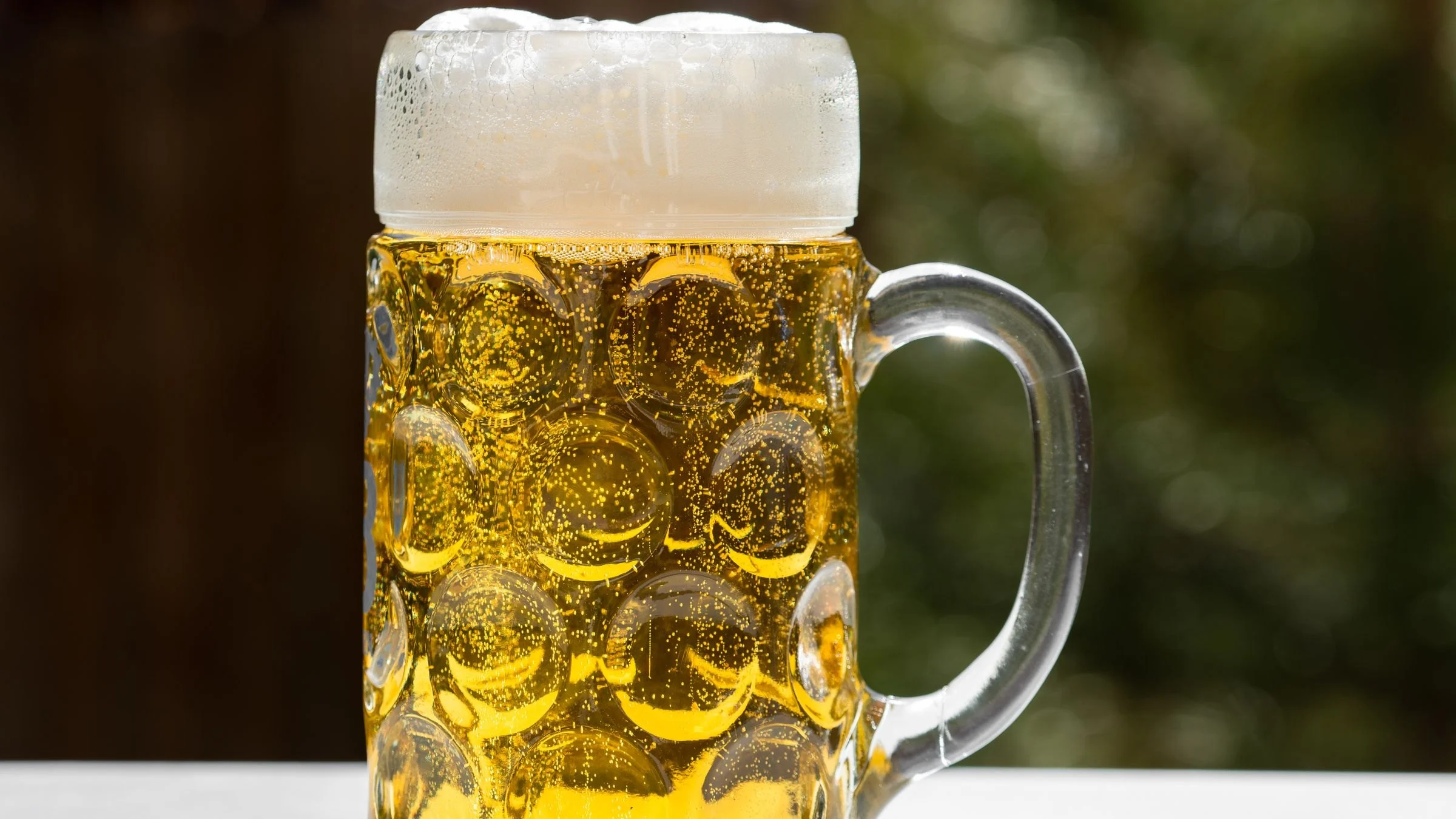
Lager is a broad beer family defined by lager yeast, cool fermentation, and cold conditioning. That process usually leaves a clean profile where malt and hops show clearly. Lager has no single color or strength. It covers pale pilsner and helles, amber Märzen, brown dunkel, dark schwarzbier, and strong bock.
Styles in this family
- PilsnerPale, crisp, and dry, with clear hop bitterness.See the style
- Munich hellesGold and malty, with restrained bitterness.See the style
- Vienna lagerAmber, toasty, and fairly dry.
- MärzenAmber and bready, with a clean, dry finish.
- DunkelBrown and malty, with toasted bread and no roast.
- SchwarzbierDark and smooth, with gentle roast and a light body.
- BockStrong, malty, and toasty, but not sweet.
- Mexican lagerA pale, easy-drinking lager style. Not a BJCP style.
- American lagerVery pale, light-bodied, and neutral.
What makes a beer a lager?
Fermentation, not color. Lager yeast is associated with bottom fermentation, cooler temperatures, and cold conditioning. Ale yeast is associated with top fermentation and warmer temperatures. The Brewers Association American Craft Beer Guide explains that cooler lager fermentation tends to let malt and hops show cleanly, while warmer ale fermentation often adds fruity and spicy aromas.
That clean profile is the thread that ties the family together. A good lager rarely tastes of yeast. You taste the malt, the hops, and how they balance. Modern brewing blurs the line with hybrid methods, but knowing a beer is a lager still tells you a lot about what will be in the glass.
What are the main types of lager?
Most lagers fall into a few broad groups. Color is the quickest way to sort them, though strength and bitterness still vary within each group.
- Pale and hoppy. Pilsner is the classic. The BJCP German Pils guide describes a pale, dry, bitter lager with a prominent hop aroma.
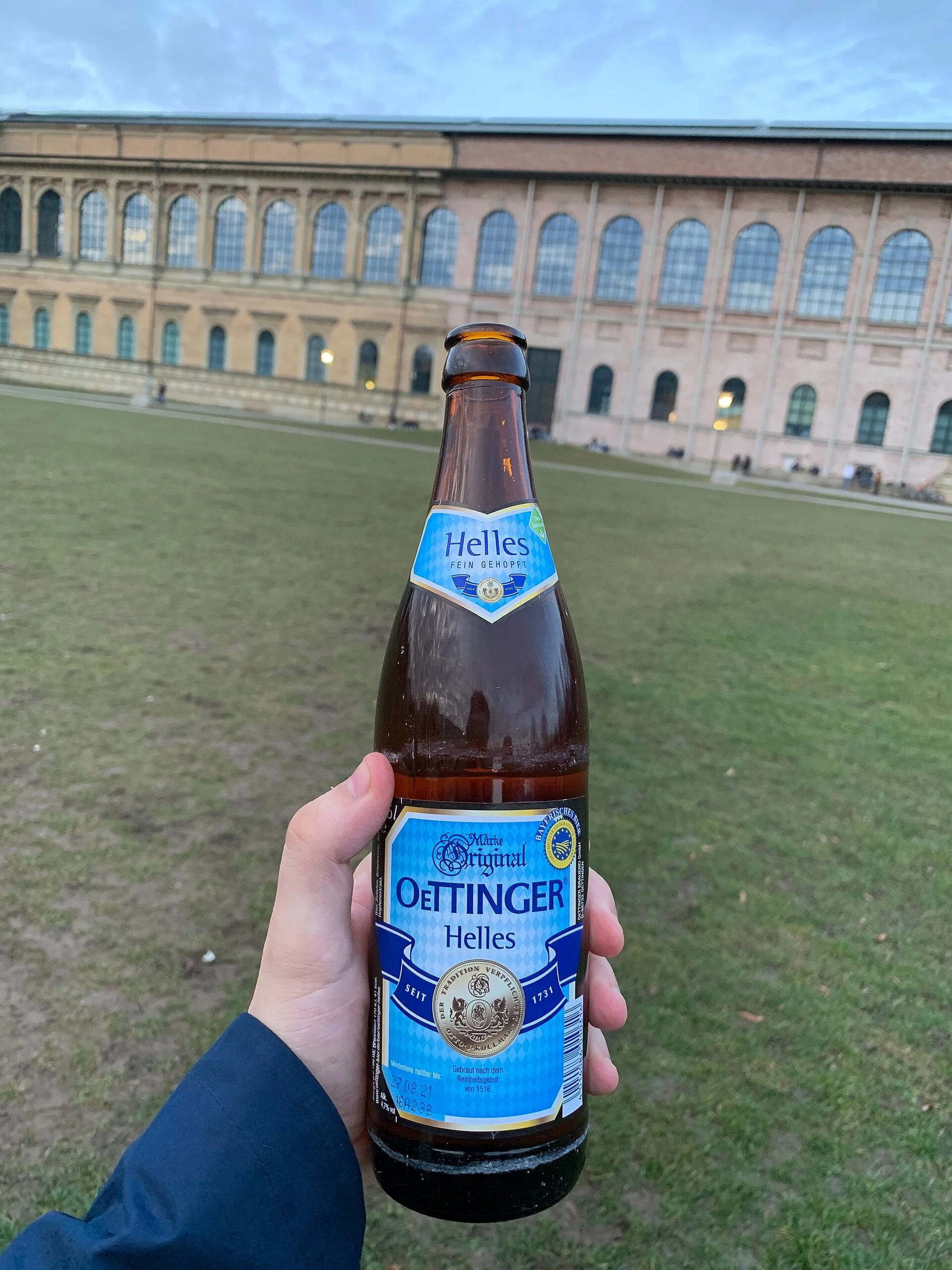
- Pale and malty. Munich helles is gold, smooth, and malty, with restrained bitterness and a soft, dry finish, according to the BJCP Munich Helles guide.
- Pale and neutral. American lager is very pale, highly carbonated, and light-bodied, with low bitterness. The BJCP American Lager guide calls its flavor profile neutral.
- Amber. Vienna lager and Märzen lean on toasty, bready malt with restrained bitterness and a fairly dry finish.
- Brown and dark. Munich dunkel brings toasted bread crust and chocolate hints without roast. Schwarzbier adds a smooth roasted character while staying light in body.
- Strong. Bock is a strong, malty lager built on rich, toasty malt, and it should not taste sweet. Baltic porter, a strong, dark porter usually brewed with lager yeast, sits at the edge of the family.
Lager vs ale
The difference starts with yeast and temperature. Ales usually ferment warmer and can show more fruity or spicy character. Lagers ferment cooler and lean cleaner. Neither family owns a color, a strength, or a level of bitterness. A stout is an ale, and so is a pale Kölsch. A schwarzbier is a lager, and so is a pale pilsner. Color comes from malt, not from the yeast.
The family is not a quality ranking either. Freshness, recipe, handling, and your own taste matter more than whether a beer is an ale or a lager.
Our full guide to ale vs lager covers the details, from yeast to flavor. For the narrower question of how one well-known style fits inside the family, read pilsner vs lager.
Where should you start?
Start with what you already like.
- If you like crisp and bitter, try a pilsner.
- If you like soft and bready, try a helles or a Märzen.
- If you like toast and a hint of chocolate without heavy roast, try a dunkel.
- If you think dark beer always means heavy beer, try a schwarzbier. The BJCP credits its lighter body and dryness for making it very drinkable.
Amber lagers are a good bridge if pale lagers taste too thin to you. Märzen has a medium body and an elegant, malty profile, according to the BJCP, while still finishing clean and dry.
Pale lagers also show their age quickly, so freshness matters. Follow the brewery's date and keep them cold.
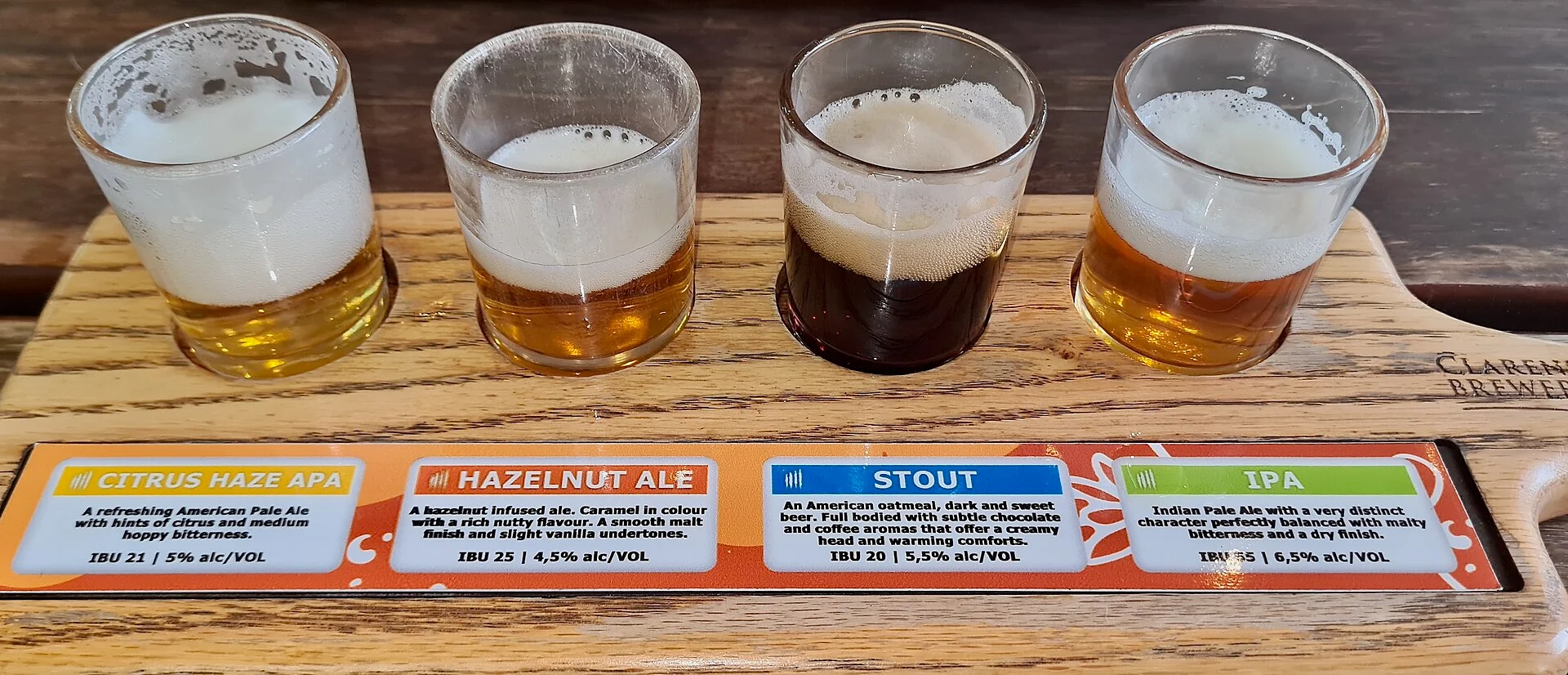
When a menu only says "lager," ask what kind. "Is it crisp and bitter, or soft and malty?" gets you further than asking whether it is good. A beer flight is an easy way to taste two or three side by side and learn which direction you prefer.
Related questions
Is lager the same as light beer?
No. Light beer is one kind of lager, but the family also includes amber, brown, dark, and strong styles. Color and strength come from the recipe, not from lager yeast.
Is lager stronger than ale?
Not as a rule. Lager runs from light everyday beers to strong bock, so check the listed ABV.
Why is lager usually served cold?
Many lagers are built to be crisp and refreshing, and cold serving supports that. Our temperature guide suggests 38 to 45°F for light lager and 40 to 48°F for pilsner.
Sources
- Brewers Association: American Craft Beer Guide
- BJCP 2021: 5D German Pils
- BJCP 2021: 3B Czech Premium Pale Lager
- BJCP 2021: 4A Munich Helles
- BJCP 2021: 1B American Lager
- BJCP 2021: 7A Vienna Lager
- BJCP 2021: 6A Märzen
- BJCP 2021: 8A Munich Dunkel
- BJCP 2021: 8B Schwarzbier
- BJCP 2021: 6C Dunkles Bock
- BJCP 2021: 9C Baltic Porter
- BJCP 2021: 5B Kölsch