What is a pilsner? Crisp, pale, and built around hops
Pilsner is a pale, crisp lager with a dry finish and clear hop bitterness. German and Czech versions take it in different directions.
Also known as: Pils, Czech pilsner, and Bohemian pilsner
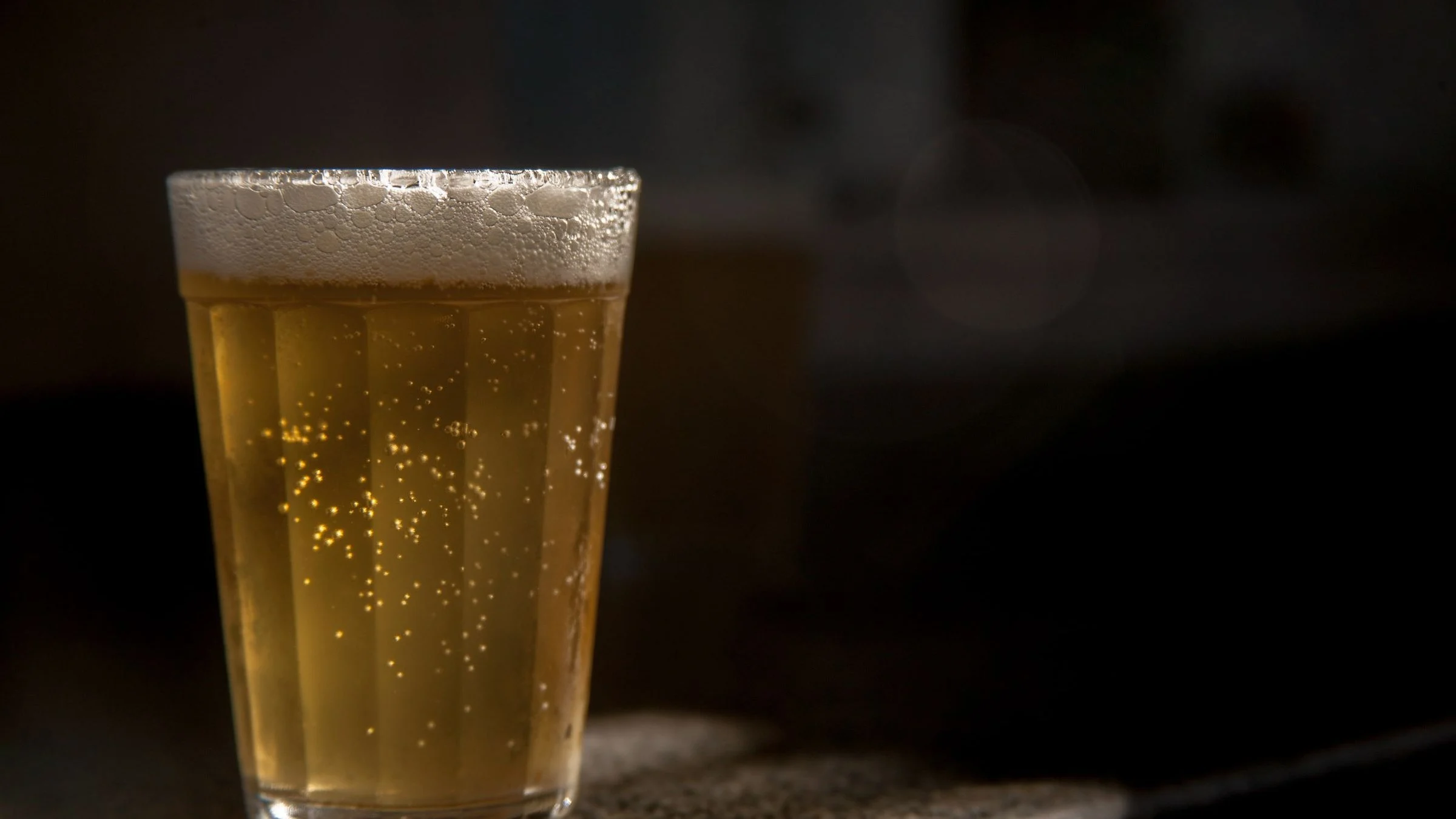
A pilsner is a pale lager known for brilliant clarity, a dense white head, floral or spicy hops, and a bitterness you can clearly taste. It should feel crisp and refreshing, never heavy or harsh. German pils and Czech pilsner are the two classic versions.
- ABV
- 4.2–5.8%
- Bitterness
- 22–45 IBU
- Color
- Straw to deep gold, SRM 2–6
- Body
- Medium-light to medium
- Glass
- Clean, clear glass
- Serving temp
- 40–48°F
- Best fresh within
- Follow the brewery's date
Ranges span BJCP 2021 styles 5D German Pils and 3B Czech Premium Pale Lager.
Craft Beer Critics flavor read
Scores are our editorial judgment, based on BJCP style descriptions.
Flavor notes: Floral hops, crackery malt, dry
Bitterness: 4 of 5
Sweetness: 1 of 5
Roast: 1 of 5
Fruitiness: 1 of 5
Tartness: 1 of 5
Body: 2 of 5
What does pilsner taste like?
Expect a short burst of grainy, cracker-like malt, then hops and bitterness taking over. The BJCP German Pils guide describes flowery, spicy, or herbal hops over a grainy, doughy malt base with a light honey and toasted cracker quality. It ends dry and crisp.
The aroma is gentler than the flavor. The BJCP describes grainy, rich malt with low to medium-high floral, spicy, or herbal hops, and a clean fermentation with nothing fruity from the yeast.
The bitterness is the point. It should be firm and clean, and it should linger a little after you swallow. Carbonation is lively, the color runs from straw to gold, and a good pour shows brilliant clarity under a creamy white head.
A Czech pilsner tastes richer. The BJCP Czech Premium Pale Lager guide calls for rich, bready malt, sometimes with a slight impression of caramel, and a pronounced bitterness that stays soft and rounded rather than sharp. It has more body and less carbonation than the German version.
Is pilsner just a fancy name for light beer?
No. Plenty of mass-market pale lagers borrow the word, but the styles are different. The BJCP American Lager guide notes that this kind of beer may be marketed as pilsner outside Europe and should not be confused with traditional examples. It has significantly less flavor, hops, and bitterness than a traditional European pilsner.
So if you have only had light lager, a real pilsner may surprise you. It is still pale and refreshing, but it has more malt flavor, more hop aroma, and a bitterness you can actually taste.
Every pilsner is a lager, but lager covers far more ground. Our guide to pilsner vs lager explains where one ends and the other begins.
German pils vs Czech pilsner
Both trace back to the pale lager first brewed in Plzeň in 1842. German brewers adapted that beer to their own water and domestic hops, and the difference still shows in the glass.
Ingredients explain much of the gap. The BJCP lists soft water, Saazer-type hops, and Czech malt for the Czech style. German pils uses German hop varieties and water with more minerals. In the BJCP comparison, the German version comes out drier and crisper, with more lingering bitterness.
| Trait | German pils | Czech pilsner |
|---|---|---|
| Appearance | Straw to deep yellow | Medium yellow to deep gold |
| Flavor | Hops quickly overtake light, crackery malt | Bready, rich malt shares the stage with hops |
| Bitterness | Medium to high, lingering | Pronounced but soft and rounded |
| Body | Medium-light | Medium |
| Finish | Dry and crisp | Fuller and softer |
These are tendencies, not laws. The BJCP notes that pils from Bavaria tends to be softer and maltier than versions from northern Germany. American breweries brew both versions too, and some interpretations use modern hop varieties.
How fresh should pilsner be?
Freshness matters for pilsner because so much of its appeal is hop aroma. The BJCP notes that hops and malt can fade with age, though the beer should always keep its bitter balance. When a pilsner smells faint or tastes dull, age or poor storage may be part of the reason.
Follow the brewery's date. Buy cans or bottles from a cold shelf when you can, keep them in the refrigerator, and drink them sooner rather than later. At a bar, a busy tap line is usually a good sign.
How do you order one you might like?
Ask whether it is closer to a German or a Czech pilsner. Choose German when you want something lean, dry, and snappy. Choose Czech when you want more malt, more body, and a softer bitterness.
Menus often give a clue. Words like Czech or Bohemian usually point to the softer, maltier version. German-style or plain pils usually points to the drier one.
If you dislike bitterness, a pilsner may not be your first pick. Ask for a Munich helles instead, which keeps the pale, clean profile with more malt in front.
If strength matters, check the ABV. Across the BJCP German and Czech guidelines, pilsner runs from 4.2 to 5.8 percent. Serve it cold, but not ice cold. Our temperature guide suggests 40 to 48°F for pilsner, and any clean, clear glass shows off its color and head.
Which pilsner beers should you try first?
- PILS, Sierra Nevada Brewing Co., Chico, CA
- Prima Pils, Victory Brewing Company, Downingtown, PA
- The Slow Pour Pils, Bierstadt Lagerhaus, Denver, CO
- Pilsner Urquell, Plzeňský Prazdroj, Plzeň, Czech Republic (benchmark import)
Availability varies by state. Check the brewery's site for where it is sold.
What should you drink next?
Munich helles
The same pale German lager base. Helles puts more malt in front, with gentler bitterness.
See the styleKölsch
Pale, clear, and crisp too. It is an ale with a softer finish and a hint of fruit.
See the styleVienna lager
Also a clean lager with a fairly dry finish. It is amber, with toasty malt ahead of the hops.
What food goes with pilsner?
- Fried fish or schnitzel. Lively carbonation and bitterness cut through the fat and refresh the palate after each bite.
- Soft pretzels with mustard. Crisp carbonation resets the palate after salt, and the bready malt echoes the pretzel.
- Young, creamy cheese. A delicate cheese needs a lighter beer, and a crisp lager refreshes after each creamy bite.
For the reasoning behind these picks, read how to pair beer with food.
Related questions
Is pilsner an ale or a lager?
Pilsner is a lager. It is fermented with lager yeast and conditioned cold, which helps give it a clean profile.
Why is it called pilsner?
The name comes from Plzeň, a city in today's Czech Republic, where the original pale lager was first brewed in 1842. In the Czech Republic itself, only a couple of beers are called Pilsner.
What is the difference between pils and pilsner?
Pils is the term more often used in Germany. Brewers there use it partly to set German versions apart from the Czech style.
Should a pilsner have a big head?
Usually, yes. BJCP descriptions of both German and Czech versions call for a dense, creamy, long-lasting white head.