What is wheat beer? A soft, lively family built on wheat
Wheat beer is brewed with a large share of wheat. The family runs from banana-and-clove hefeweizen to spiced witbier and tart gose.
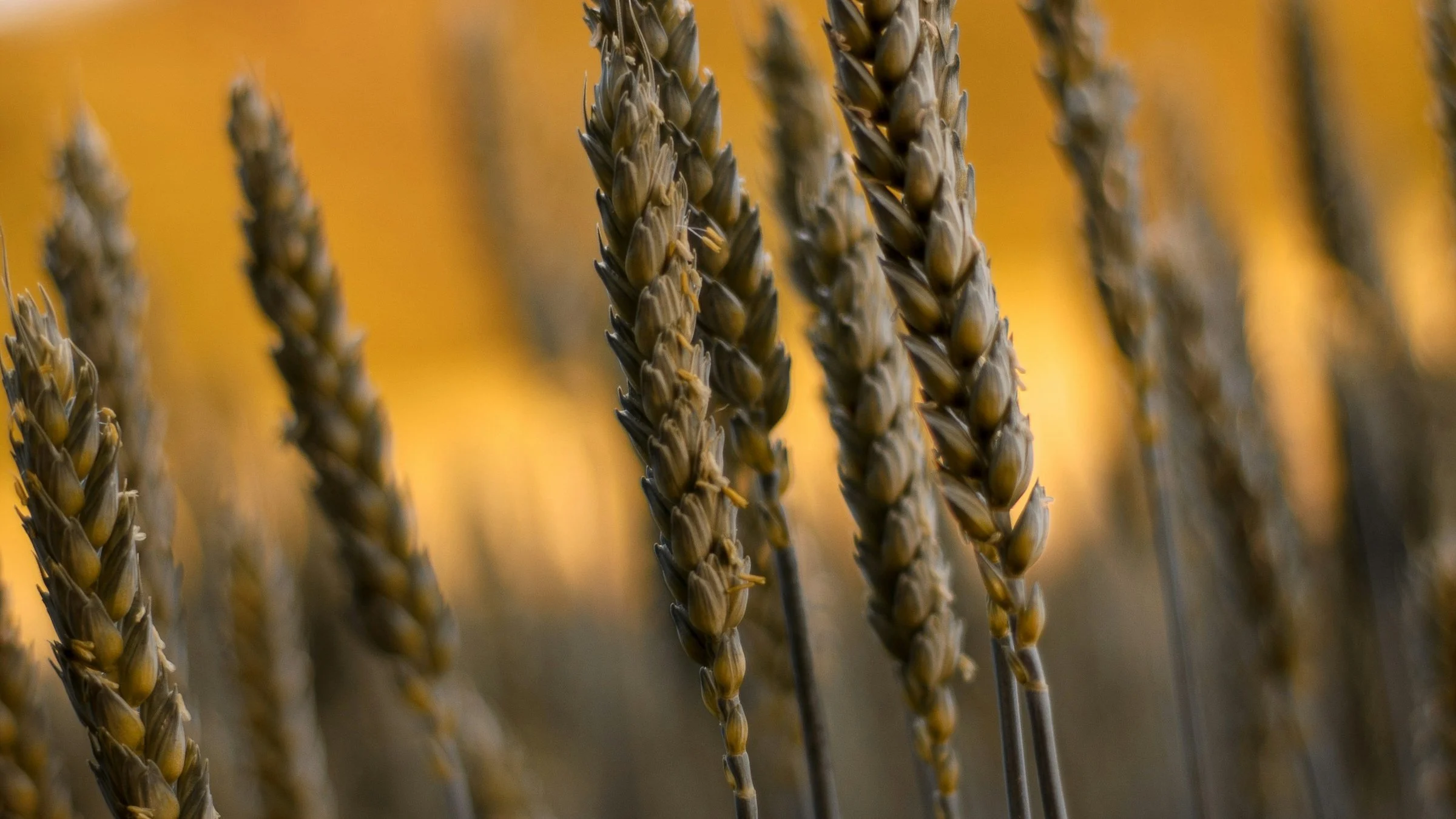
Wheat beer is a family of beers brewed with a large share of wheat alongside barley malt. Most are pale, highly carbonated, and refreshing, often with haze and a big white head. The family runs from banana-and-clove German hefeweizen to spiced Belgian witbier, cleaner American wheat, and tart Berliner weisse and gose.
Styles in this family
- HefeweizenPale and hazy, with banana and clove from the yeast.See the style
- Dunkles weissbierCopper to brown, with the same yeast and more toasted malt.
- WeizenbockStrong and malty, with banana and clove at bock strength.
- WitbierBelgian, pale, and cloudy, spiced with coriander and orange peel.
- American wheat beerClean and bready, with more hops and no banana or clove.
- Berliner weisseVery pale, low in alcohol, and cleanly sour.
- GoseTart and lightly salty, with coriander.
What makes a beer a wheat beer?
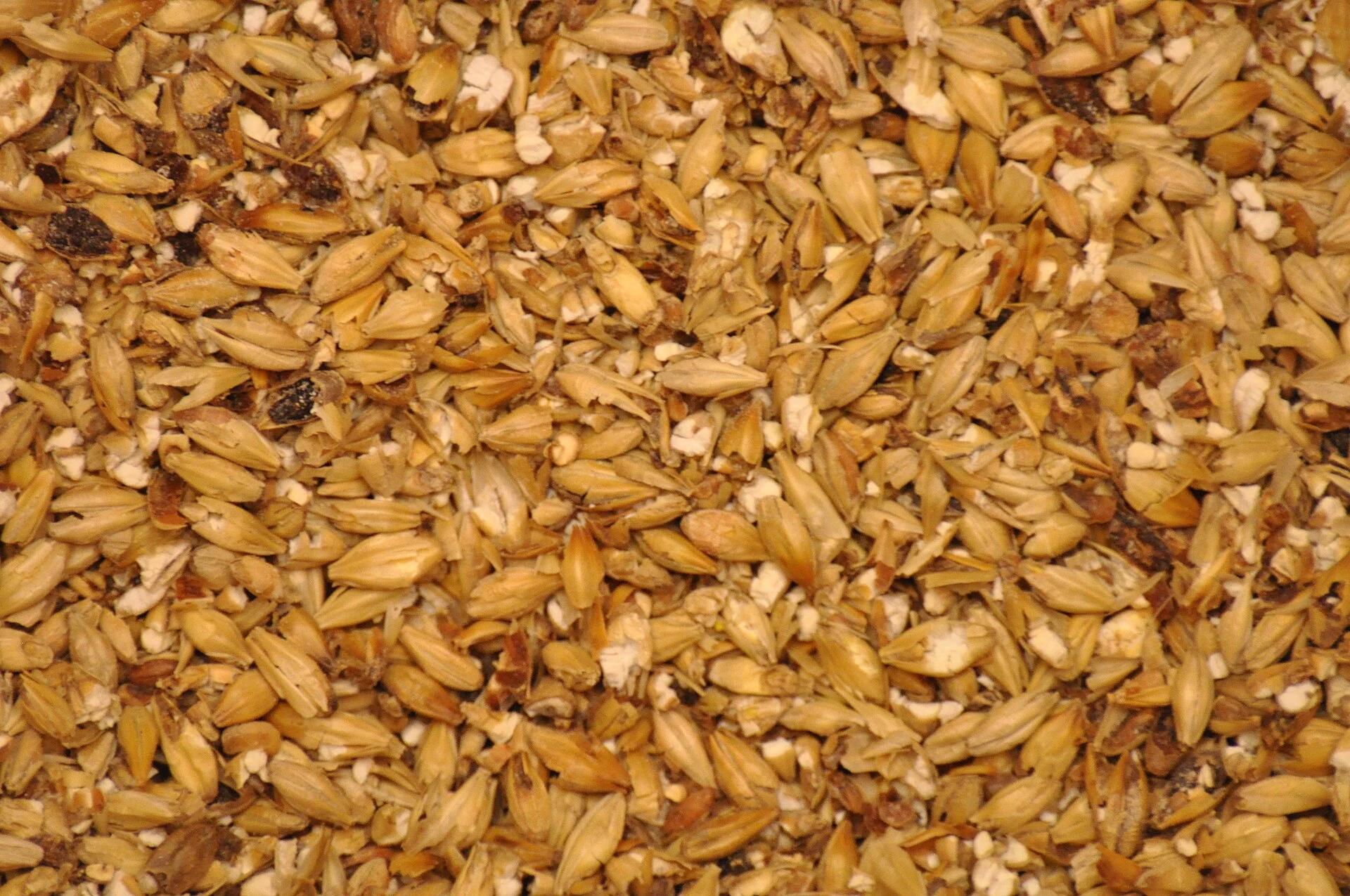
The grain. Barley malt is the classic base for beer, as our guide to the four ingredients in beer explains, but wheat can be malted too. A wheat beer swaps a large share of the barley for wheat. For German Weissbier, the BJCP guidelines call for malted wheat as at least half the grist. Belgian witbier uses 30 to 60 percent unmalted wheat, and American wheat beer often uses 30 to 50 percent wheat malt.
Wheat brings a soft, bready, or doughy flavor, and wheat beers are known for big heads. The BJCP describes a very thick, long-lasting head on Weissbier and a big, long-lasting white head on American wheat beer. Many wheat beers also look hazy, though some are filtered clear.
The grain is only the start. Yeast, spices, and souring bacteria send the family in very different directions, so two wheat beers can taste nothing alike.
What are the main types of wheat beer?
Most wheat beers fall into four groups.
- German and yeasty. Hefeweizen, also called Weissbier, is pale and refreshing, with banana and clove from the yeast, high carbonation, and a dry finish. Dunkles Weissbier keeps that yeast and adds toasted bread or caramel malt in a light copper to brown color. Weizenbock brings the same yeast up to bock or doppelbock strength, at 6.5 to 9 percent ABV.
- Belgian and spiced. Witbier is pale and very cloudy, traditionally spiced with coriander and dried Curaçao orange peel. Its citrus and spice come mostly from those additions rather than the yeast.
- American and clean. American wheat beer uses a clean ale or lager yeast and more hops. It has the bready wheat flavor without the banana and clove of a hefeweizen.
- Tart. Berliner weisse is very pale and low in alcohol, at 2.8 to 3.8 percent ABV, with a clean lactic sourness and very high carbonation. Gose is tart too, with a restrained salt and coriander character. Our guide to sour beer covers both.
Wheat beer vs lager
Both can be pale, refreshing, and moderate in strength, which is why wheat beer is a natural next step from a light lager. The difference is in the yeast and the grain. Lagers ferment cool and usually taste clean, as our lager guide explains. Most wheat beer styles are top-fermented ales, and many show fruit, spice, or tartness from fermentation.
Bitterness is the other big gap. A German pils runs 22 to 40 IBU in the BJCP guidelines, while Weissbier runs 8 to 15. A pilsner aims for crisp, dry bitterness. A hefeweizen aims for a fluffy, creamy texture with fruit and spice.
The line is not always sharp. The BJCP allows American wheat beer to be fermented with lager yeast, so some versions taste almost as clean as a lager, with a bready wheat accent.
Where should you start?
Start with what you already drink.
- If you like light lager, try American wheat beer or a hefeweizen. Both are pale, highly carbonated, and moderate in strength.
- If you like pale ale, try American wheat beer. The BJCP says it has more hop character than Weissbier and a balance close to blonde ale. If you want more flavor without more bitterness, try a hefeweizen. Our pale ale guide explains what you are trading.
- If you want fruit and spice, try a hefeweizen or a witbier. Hefeweizen gets its banana and clove from yeast. Witbier gets its citrus and spice from coriander and orange peel.
- If you like tart and refreshing, try a Berliner weisse or a gose. Berliner weisse is lower in alcohol and more sour. Gose adds salt and coriander.
- If you want something richer, try a dunkles Weissbier or a weizenbock.
When a tap list just says wheat, ask which kind it is. German, Belgian, American, and tart versions are very different beers. A beer flight is an easy way to compare two or three side by side.
Most pale wheat beers are meant to be drunk young. The BJCP says Weissbier often does not age well and calls witbier perishable, so freshness matters. Follow the brewery's date and keep it cold. Our temperature guide suggests 38 to 45°F for wheat beer, and a tall wheat-beer glass leaves room for the head.
Related questions
Is wheat beer the same as hefeweizen?
Not exactly. Hefeweizen is one wheat beer style, the German Weissbier. The family also includes witbier, American wheat beer, Berliner weisse, gose, and darker or stronger German versions.
Is wheat beer sweet?
Usually not. The BJCP describes dry finishes for hefeweizen, witbier, Berliner weisse, and gose. Any impression of sweetness often comes from low bitterness rather than sugar.
Is wheat beer stronger than lager?
Not usually. Most wheat beer styles sit in an everyday strength range, and Berliner weisse can be as low as 2.8 percent ABV. Weizenbock is the exception, at 6.5 to 9 percent.
Is wheat beer always cloudy?
No. Many are hazy from wheat and yeast, but kristall versions of Weissbier are filtered for brilliant clarity. American wheat beer can range from brilliant to hazy.