What is hefeweizen? Banana and clove from yeast, not fruit or spice
Hefeweizen is a German wheat beer with banana and clove-like fermentation character, high carbonation, a cloudy body, and little bitterness.
Also known as: Weissbier, Weizenbier, and Hefeweissbier
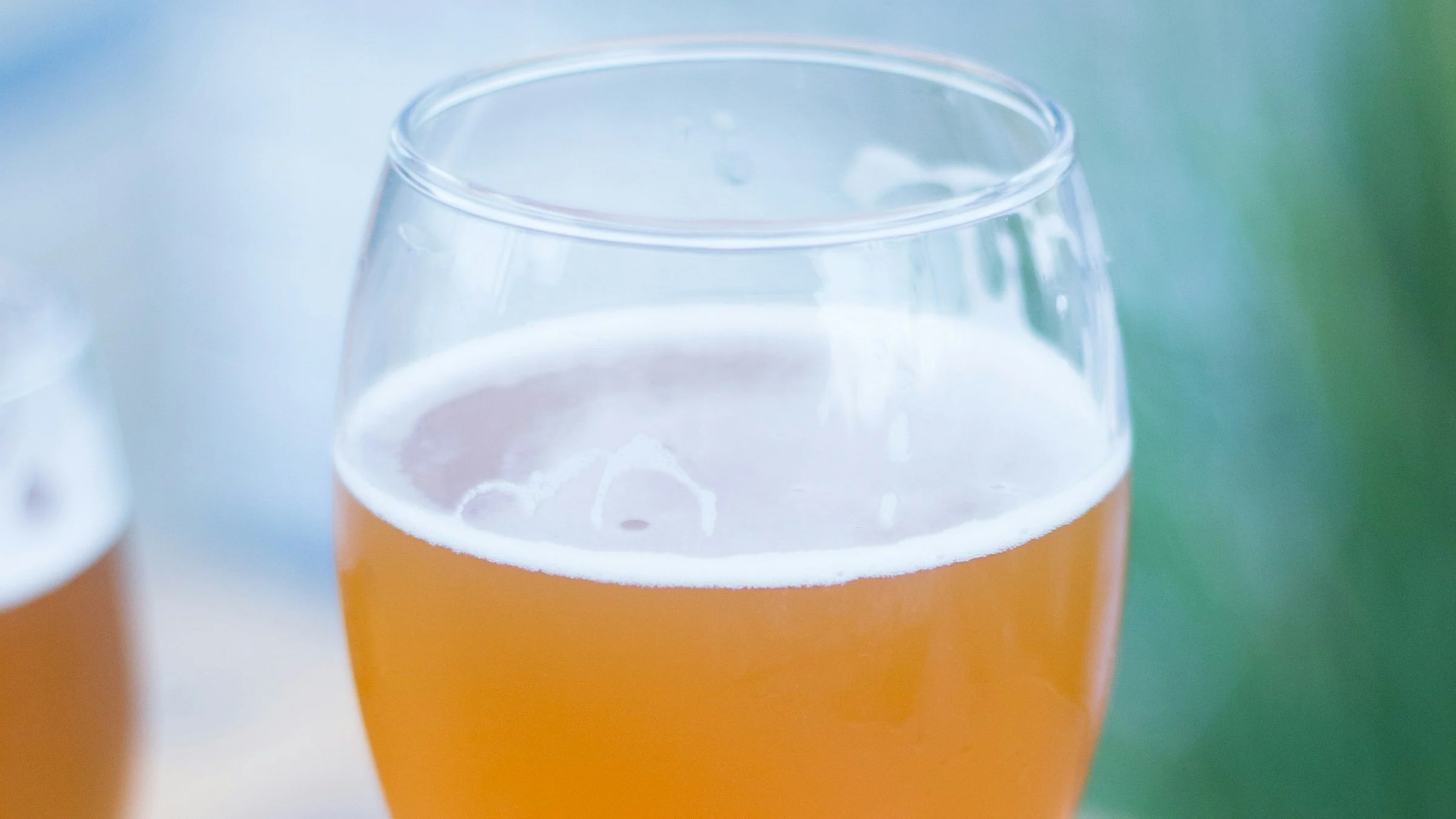
Hefeweizen is a German wheat beer with high carbonation, a fluffy head, and fermentation flavors that commonly suggest banana and clove. Those aromas normally come from yeast, not from added fruit or spice. The beer is pale, often hazy, refreshing, and low in bitterness.
- ABV
- 4.3–5.6%
- Bitterness
- 8–15 IBU
- Color
- Pale straw to gold, SRM 2–6
- Body
- Medium-light to medium
- Glass
- Tall wheat-beer glass
- Serving temp
- 38–45°F
- Best fresh within
- Follow the brewery's date
Ranges from BJCP 2021 style 10A Weissbier.
Craft Beer Critics flavor read
Scores are our editorial judgment, based on BJCP style descriptions.
Flavor notes: Banana, clove, soft bread
Bitterness: 2 of 5
Sweetness: 2 of 5
Roast: 1 of 5
Fruitiness: 3 of 5
Tartness: 1 of 5
Body: 3 of 5
What does the name mean?
Hefe means yeast and weizen means wheat. The name points to an unfiltered wheat beer with yeast in suspension. Weissbier, meaning white beer, is the broader regional style name.
The BJCP Weissbier guide describes a balance of banana-like esters and clove-like phenols over soft bread or grain from wheat.
What does hefeweizen taste like?
Expect fruit and spice from the yeast first, then soft bread. The BJCP describes low to moderately strong banana and clove flavor over a soft, bready, doughy, or grainy wheat character, with a light grainy sweetness from Pils malt. A light vanilla note is optional. Hops stay in the background, and bitterness runs very low to moderately low.
The texture matters as much as the flavor. Hefeweizen should feel fluffy and creamy, then light and spritzy in the finish, helped by high to very high carbonation. Body runs medium-light to medium, and the BJCP warns that a sweet or heavy finish hurts drinkability.
Look for a pale straw to gold color under a very thick, moussy, long-lasting white head. The banana and clove should be in balance, and sourness or smoke counts as a fault.
Does hefeweizen contain banana or clove?
Usually not. Yeast creates compounds that our brains associate with banana, clove, or vanilla. Fermentation temperature, yeast strain, and process change the balance.
Why is it cloudy?
Protein from wheat and suspended yeast create haze. Cloudiness is normal for the style and not a sign that the beer is spoiled.
Not every Weissbier is cloudy, though. The BJCP notes that haze can settle out in bottles, and kristall versions are filtered for brilliant clarity. If a menu says kristall, expect a clear beer.
Where did hefeweizen come from?
Bavaria. The BJCP says brewing wheat beer was once a monopoly reserved for Bavarian royalty. Modern Weissbier dates from 1872, when Schneider began brewing its version. The pale style most people picture today became popular in the 1960s, and it remains a favorite in southern Germany.
The recipe is specific. The BJCP calls for malted wheat as at least half the grist, Pilsner malt, a weizen yeast, and a cool fermentation.
Hefeweizen vs witbier
Hefeweizen is German and relies on yeast-driven banana and clove. Belgian-style witbier often uses coriander and orange peel, with a different yeast profile. Both are pale, cloudy, and wheat-based, but they reach that character differently.
| Trait | Hefeweizen | Witbier |
|---|---|---|
| Origin | Germany, especially Bavaria | Belgium |
| Where the spice comes from | Yeast, as clove-like phenols | Added coriander |
| Fruit | Banana-like esters from yeast | Orange citrus from added peel |
| Wheat | Malted wheat, at least half the grist | Unmalted wheat, 30 to 60 percent |
| Bitterness | 8 to 15 IBU | 8 to 20 IBU |
These are tendencies, not laws. The BJCP Witbier guide says witbier has a balance similar to Weissbier, with its spice and citrus coming from additions rather than yeast. Both styles are pale, hazy, highly carbonated, and dry.
Hefeweizen vs American wheat beer
American wheat beer often uses a cleaner yeast profile, so bread, grain, and hops appear without the same banana and clove signature. It may also be clearer. If you want classic fermentation character, ask for German-style hefeweizen rather than assuming every wheat beer will taste alike.
How fresh should hefeweizen be?
Fresh is better. The BJCP says Weissbier should be enjoyed young and fresh, because it often does not age well. Treat hefeweizen as a beer to drink soon, not one to save.
Freshness matters, so follow the brewery's date. Buy it cold when you can and keep it in the refrigerator.
Should you add an orange slice?
Drink it however you prefer, but citrus can cover the fermentation aroma that defines the style. Taste the beer first. If the brewery designed a garnish, it may say so.
How should you pour it?
Leave room for a large head. If the bottle contains yeast sediment, you can gently swirl the final portion and add it to the glass. Avoid violent shaking.
See how to pour beer properly for the basic technique.
How do you order one you might like?
Ask whether it is a German-style hefeweizen or an American wheat beer. The name alone does not settle it. The BJCP lists some American beers sold as hefeweizen under American wheat beer, which uses a clean yeast. If you want banana and clove, say so.
Hefeweizen is an easy next step if you like lighter lagers or pale ales and want more flavor without more bitterness. Its ABV runs from 4.3 to 5.6 percent, which overlaps with pilsner. Its IBU range of 8 to 15 sits well below a German pils at 22 to 40. Pale ale drinkers trade hop aroma for fruit and spice from yeast.
For something darker, ask for a dunkles Weissbier. For something stronger, ask for a weizenbock. The BJCP describes both with the same banana and clove yeast character and more malt. Our wheat beer guide covers the whole family.
Serve it cold. Our temperature guide suggests 38 to 45°F for wheat beer, and a tall wheat-beer glass makes room for the big head.
Which hefeweizen beers should you try first?
- DreamWeaver Wheat, Tröegs Independent Brewing, Hershey, PA (regional: PA, nine nearby states, and DC)
- HefeWeizen, Live Oak Brewing Co., Austin, TX (regional: Texas)
- Ayinger Bräuweisse, Privatbrauerei Ayinger, Aying, Germany (benchmark import)
Availability varies by state. Check the brewery's site for where it is sold.
What should you drink next?
Hazy IPA
Also hazy with a soft texture. Its fruit comes from hops instead of yeast, with more bitterness and more alcohol.
See the styleKölsch
Also a pale German ale with a soft, dry finish. It is brilliantly clear, with only subtle fruit and no clove.
See the styleSaison
Also yeast-driven and highly carbonated. Its spice is more like black pepper than clove, and it is more bitter.
See the styleWhat food goes with hefeweizen?
- White sausage with pretzels. A mild sausage matches the beer’s gentle intensity, and high carbonation clears the fat between bites.
- Mildly spicy dishes. Low bitterness keeps heat in check, so the beer refreshes instead of adding to the burn.
- Steamed shellfish. Delicate seafood needs a lighter beer of similar intensity, and the lively carbonation lifts the brine.
For the reasoning behind these picks, read how to pair beer with food.
Related questions
Is hefeweizen sweet?
It can seem fruity, but it normally finishes fairly dry and refreshing.
Is hefeweizen bitter?
No. Hop bitterness is low. Fermentation and wheat lead.
Is hefeweizen a lager?
No. It is a wheat ale.
Is hefeweizen the same as wheat beer?
Hefeweizen is one kind of wheat beer, the German Weissbier. The wheat beer family also includes witbier, American wheat beer, Berliner weisse, gose, and darker or stronger German versions.
Is there a non-alcoholic hefeweizen?
Yes. The BJCP notes that lower-alcohol leicht and non-alcoholic versions of Weissbier are popular in Germany. Check the label for the exact ABV.
Sources
- BJCP Weissbier
- Brewers Association Beer Style Guidelines
- BJCP 2021: 10B Dunkles Weissbier
- BJCP 2021: 10C Weizenbock
- BJCP 2021: 24A Witbier
- BJCP 2021: 1D American Wheat Beer
- BJCP 2021: 5D German Pils
- BJCP 2021: 5B Kölsch
- BJCP 2021: 25B Saison
- BJCP 2021: 21C Hazy IPA
- Tröegs Independent Brewing: DreamWeaver Wheat
- Tröegs Independent Brewing: brew finder
- Live Oak Brewing Co.: the beer
- Ayinger: Bräuweisse