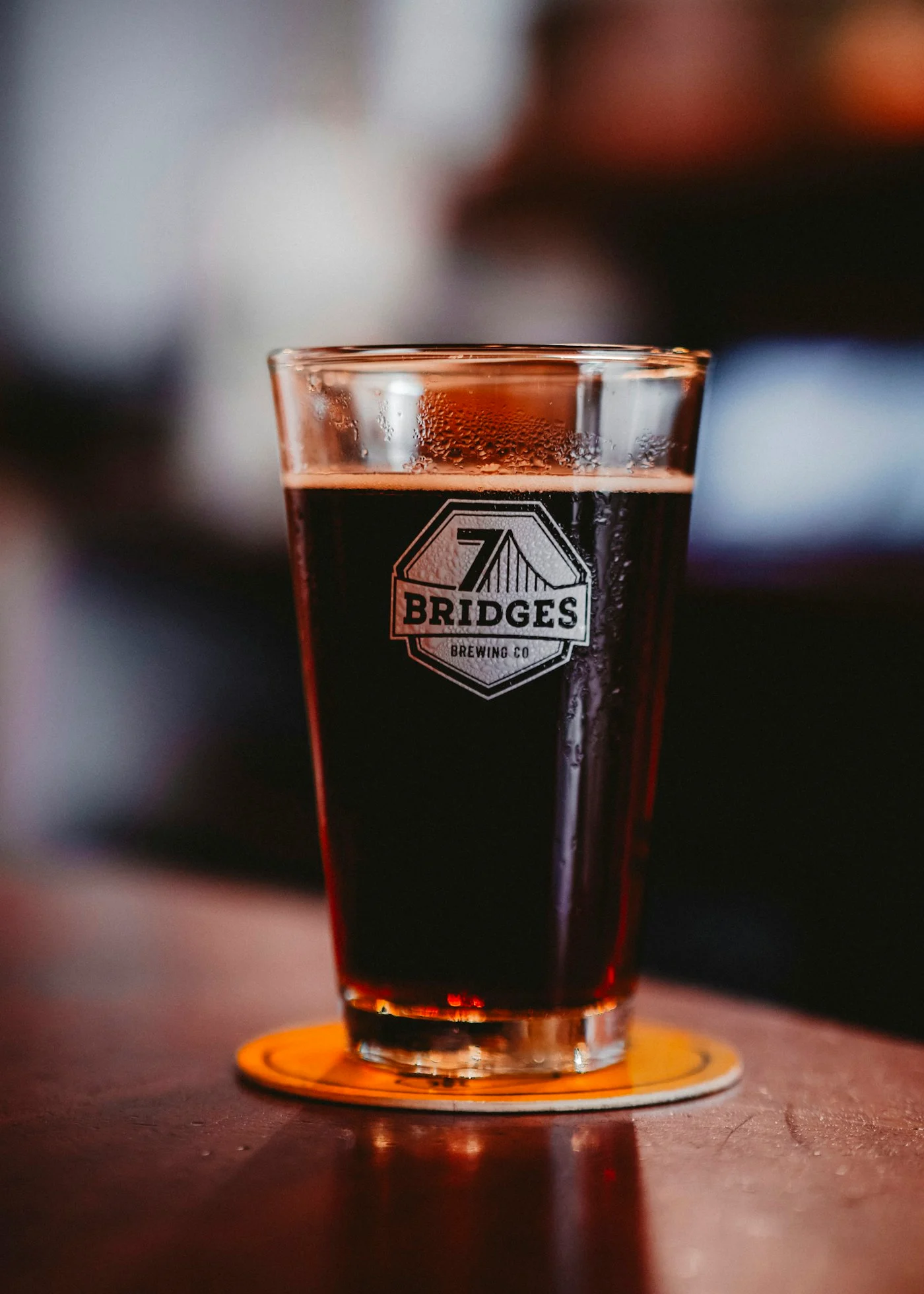
What is porter? Dark, chocolatey, and usually gentler than stout
Porter is a dark brown ale with chocolate, caramel, and toasty malt. English and American versions differ in strength, hops, and roast.
Also known as: English porter, American porter, and Robust porter
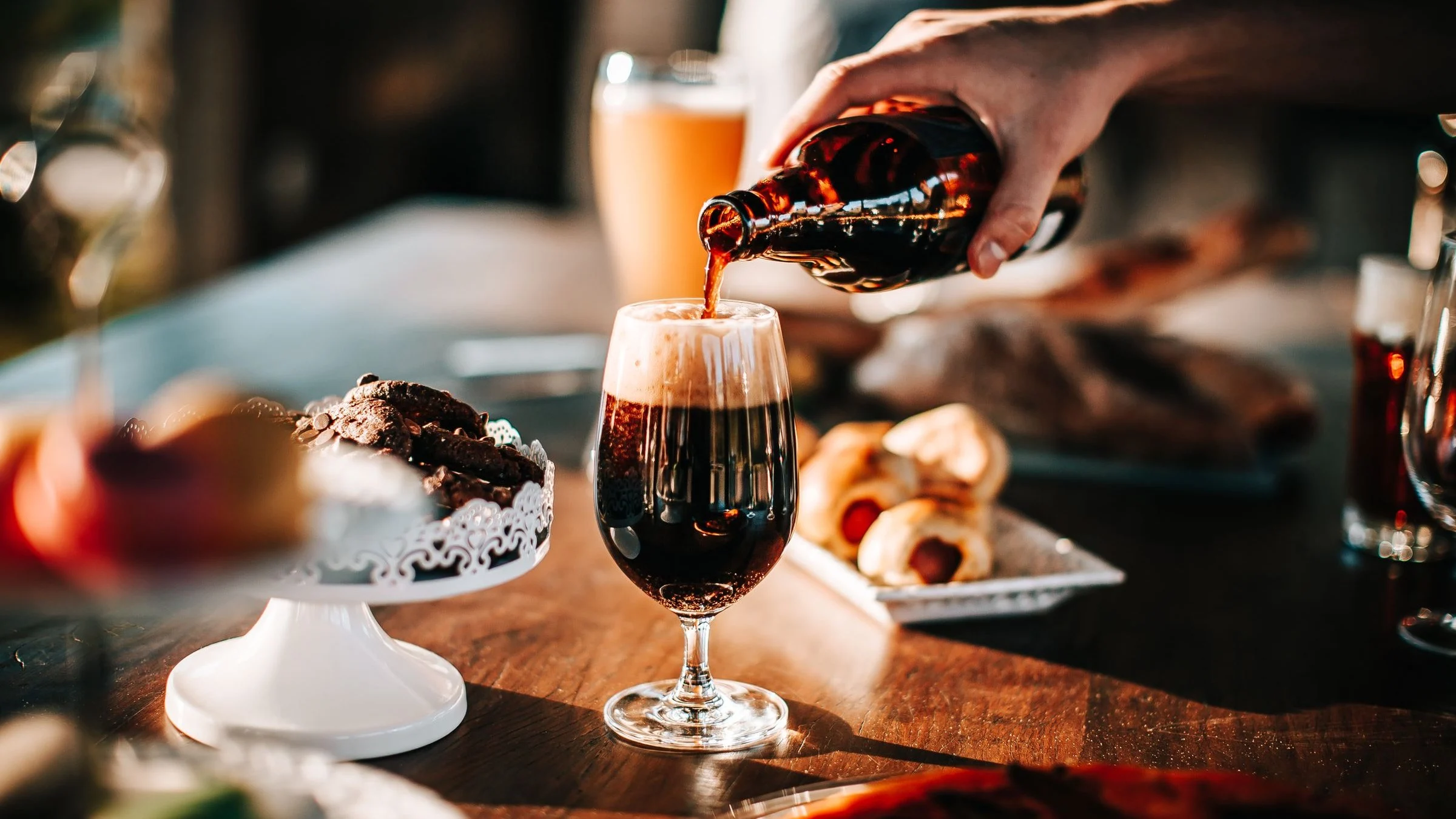
Porter is a dark ale built on chocolate, caramel, bread, and toasty malt, with roast that usually stays gentler than in stout. It runs from brown to very dark brown and finishes anywhere from dry to medium-sweet. English porter is the softer, lower-strength original. American porter is usually stronger, hoppier, and more bitter.
- ABV
- 4–6.5%
- Bitterness
- 18–50 IBU
- Color
- Brown to very dark brown, SRM 20–40
- Body
- Medium-light to medium-full
- Glass
- Pint or nonic
- Serving temp
- 48–55°F
- Best fresh within
- Follow the brewery's date
Ranges span BJCP 2021 styles 13C English Porter and 20A American Porter.
Craft Beer Critics flavor read
Scores are our editorial judgment, based on BJCP style descriptions.
Flavor notes: Chocolate, caramel, toast, gentle roast
Bitterness: 4 of 5
Sweetness: 3 of 5
Roast: 3 of 5
Fruitiness: 2 of 5
Tartness: 1 of 5
Body: 3 of 5
What does porter taste like?
Porter tastes of dark malt more than anything else. Think bread crust, biscuit, toast, and chocolate, often with caramel, toffee, or nuts behind it. Roast is part of the picture, but in most porters it reads as cocoa rather than burnt coffee.
The two classic versions take that base in different directions. The BJCP English Porter guide describes a moderate-strength dark brown ale with a restrained roasty, bitter character and a malty chocolate and caramel profile. Fruity esters may show at a low to moderate level, and the finish runs from fairly dry to slightly sweet. It should not taste burnt.
The BJCP American Porter guide calls for a malty, bitter, and often somewhat hoppy dark beer with a balanced, roasted, and frequently chocolatey character. Hop flavor can be low to high and lean resiny, earthy, or floral. Bitterness runs medium to high, and the finish runs dry to medium-sweet. The BJCP notes that this style is sometimes called robust porter.
Color sits between brown and very dark brown, and English porter often shows ruby highlights against the light. American versions can approach black.
Is porter a heavy beer?
Not usually. Dark color comes from roasted malt, and it tells you little about strength or body. Across the BJCP English and American guidelines, porter runs from 4 to 6.5 percent ABV and 18 to 50 IBU. Body runs from medium-light in English porter to medium-full in American porter.
If dark beer has put you off before, English porter is a gentle place to start. The BJCP describes it as softer, sweeter, and more caramelly than American porter, usually with less alcohol and less hop character.
Baltic porter is a different branch. The BJCP Baltic Porter guide describes a strong, smooth, malty beer at 6.5 to 9.5 percent ABV, generally brewed with lager yeast. If a menu just says "porter," ask which kind it is.
Porter vs stout
Porter came first. The BJCP calls it a predecessor to all stouts, which were originally called "stout porters." That shared history is why the line between them blurs today. Still, a few tendencies help.
| Trait | Porter | Stout |
|---|---|---|
| Color | Brown to very dark brown | Deep brown to jet black |
| Roast | Mild to moderately strong, often chocolate-like | Usually firmer, often coffee-like |
| Malt | Bread, toast, caramel, toffee, nuts | Roasted grain, coffee, dark chocolate |
| Finish | Dry to medium-sweet, often balanced | Often dry and roasty, sweeter in milk stout |
| Strength | 4 to 6.5 percent ABV | 3.8 percent in Irish stout to 12 percent in imperial stout |
These are tendencies, not laws. American porter can approach black, and a robust porter can taste roastier than a milk stout. Breweries also use the names differently, so the brewery's own description is the better guide. Our full guide to porter vs stout goes deeper, and the stout family page covers each type of stout.
How fresh should porter be?
Porter is malt-led, so it may change more slowly than a hop-forward IPA, but it does not last forever. Our guide to whether beer expires notes that Firestone Walker gives its lagers and stouts six months. Hop aroma fades with time, so hoppier American porters are worth drinking sooner.
Follow the date on the package, and keep cans and bottles cold and out of light. Unless the brewery says a porter is built to age, drink it rather than cellar it.
How do you order one you might like?
Start by asking which way it leans. "Is it closer to an English or an American porter?" tells you most of what you need. Choose English when you want soft chocolate, caramel, and toast at moderate strength. Choose American when you want more roast, more bitterness, and more hops. If you want a reference point, the BJCP lists Samuel Smith's Taddy Porter as an English example, and Deschutes Black Butte Porter and Great Lakes Edmund Fitzgerald Porter as American ones.
Menu words help too. Robust usually points to the American style. Coffee, vanilla, or barrel-aged means the brewery has built something on top of the base style. Our guides to coffee in beer and barrel-aged beer explain what that adds.
If you are torn between porter and stout, ask for a small taste of each, or order a beer flight with both.
Serve it cool, not ice cold. Our temperature guide suggests 48 to 55°F for porter, and a pint or nonic glass works well. Let it warm a little as you drink, and more aroma and malt detail will come through. For food ideas, see how to pair beer with food.
Which porter beers should you try first?
- Black Butte Porter, Deschutes Brewery, Bend, OR
- Edmund Fitzgerald Porter, Great Lakes Brewing Company, Cleveland, OH (regional, sold in 14 states and DC)
- Porter, Bell's Brewery, Kalamazoo, MI (owned by New Belgium, a Lion/Kirin company)
- Taddy Porter, Samuel Smith's Old Brewery, Tadcaster, England (benchmark import)
Availability varies by state. Check the brewery's site for where it is sold.
What should you drink next?
Stout
Same family and dark malt. Stout usually pushes roast harder, often with a drier, coffee-like finish.
See the styleBrown ale
Also malty, with chocolate, caramel, and nuts. Brown ale stops short of porter's roast.
See the styleSchwarzbier
Shares a smooth roast with no burnt edge. Schwarzbier is a lager, with a lighter body and a drier finish.
What food goes with porter?
- Smoked brisket or grilled short ribs. Roast in the beer echoes the char, and porter has the intensity to stand up to smoke.
- Pizza with roasted mushrooms or sausage. Toasty malt meets browned toppings, and carbonation clears the cheese between bites.
- Dark chocolate. Chocolate malt matches its intensity. Pick chocolate less sweet than the beer, or the porter can taste thin.
For the reasoning behind these picks, read how to pair beer with food.
Related questions
Is porter an ale or a lager?
English and American porter are ales. Baltic porter, a stronger cousin from the countries around the Baltic Sea, is generally brewed with lager yeast.
Why is it called porter?
The BJCP says the name is thought to come from the beer's popularity with London's working class, who carried loads for a living. Porter took shape in London in the early 1700s.
Does porter contain coffee?
Usually not. Chocolate and other dark malts can taste like coffee or cocoa without any coffee in the beer. A coffee porter adds real coffee, and the brewery should say so.
Sources
- BJCP 2021: 13C English Porter
- BJCP 2021: 20A American Porter
- BJCP 2021: 9C Baltic Porter
- BJCP 2021: 15B Irish Stout
- BJCP 2021: 16A Sweet Stout
- BJCP 2021: 20C Imperial Stout
- BJCP 2021: 8B Schwarzbier
- Deschutes Brewery: Black Butte Porter
- Deschutes Brewery: Distributors by state
- Great Lakes Brewing Company: Edmund Fitzgerald Porter
- Great Lakes Brewing Company: About
- Bell's Brewery: Porter
- New Belgium Brewing: Bell's press release
- Samuel Smith's Old Brewery: Taddy Porter
- Merchant du Vin: Samuel Smith Taddy Porter