What is a Christmas beer? Holiday styles, serving, and food pairing
Christmas beer is a holiday seasonal, usually stronger, darker, and often spiced. Learn the main styles, how to serve them, and what to eat with them.

Short answer
A Christmas beer is a seasonal beer released for the winter holidays. Most are stronger, darker, and richer than a brewery's everyday beers, and many are spiced with cinnamon, ginger, nutmeg, or cloves. There is no single Christmas beer style. The label tells you the season, and the base style tells you what to expect.
What does Christmas beer taste like?
Most Christmas beers lean on malt. The BJCP Winter Seasonal Beer guide describes a stronger, darker beer with a rich body and a warming finish. Common flavors include caramel, toast, nuts, and light chocolate from the malt, plus dried fruit such as raisin, plum, fig, or cherry. Some add orange or lemon peel. Others use honey, molasses, brown sugar, or maple syrup.
The BJCP points to familiar holiday flavors as the inspiration: Christmas cookies, gingerbread, Christmas pudding, rum cake, eggnog, evergreen, and mulling spices. Bitterness is usually kept low so it does not fight the spice. The same guide says the ABV is generally above 6% and most examples are somewhat dark.
A good one still tastes like beer. The BJCP asks that spices and other special ingredients support the base beer instead of burying it. If all you notice is cinnamon, the balance is off.
Where did Christmas beer come from?
Strong holiday beer is an old idea. The BJCP notes that the winter holidays have long been a time when friends gather and richer, stronger beer gets poured. Many breweries still release seasonal beers that are darker, stronger, spiced, or more characterful than their year-round lineup.
Spice is a regional habit. According to the BJCP, spiced versions are an American or Belgian tradition, while English and German breweries traditionally do not use spices in their beer.
In the United States, the tradition nearly vanished. Writing for CraftBeer.com, the Brewers Association's beer site, Randy Mosher explains that American brewers once made special holiday versions of their regular beers, but by the 1960s that was a lost tradition. Craft breweries brought it back.
What is a winter warmer?
A winter warmer is a rich, malty seasonal ale, usually without added spice. It is not a formal style. The BJCP British Strong Ale guide lists English winter warmers inside that broader category, which runs from 5.5% to 8% ABV and often shows toffee, caramel, nuts, dried fruit, and noticeable alcohol warmth.
The line between a winter warmer and a Christmas ale is blurry. Sierra Nevada's holiday beer guide says the names are often used interchangeably, with Christmas ales more reliably spiced and winter warmers more likely to lean on malt alone.
Example: Deschutes Jubelale is a seasonal release that Deschutes labels a winter warmer. The brewery says it has been made since 1988 and describes notes of spice, robust malt, toffee, and cocoa.
What is a spiced Christmas ale?
This is the beer most people picture when they hear "Christmas beer." In BJCP judging, the Winter Seasonal Beer category requires spices. The guide names allspice, nutmeg, cinnamon, cloves, and ginger as common choices and allows fruit peel, dried fruit, and flavorful sugars such as honey or molasses. Most are ales, though the BJCP notes that strong dark lagers exist too.
The base beer can be almost anything. Sierra Nevada's guide lists amber ale, brown ale, and Belgian styles as common foundations, all with enough malt body to carry the spice.
Example: Great Lakes Christmas Ale is brewed with honey, ginger, and cinnamon, and the brewery lists its release as October. The BJCP also names it as a commercial example of the style.
What are Belgian Christmas ales?
Belgian holiday beers tend to be big and dark. A CraftBeer.com holiday ale column describes European holiday ales as generally dark, at least 7% ABV, and spiced, similar to Belgian grand cru or English strong ales. It also notes that Belgian yeast and careful fermentation often create spicy flavors without any spices added.
That yeast character is the key. The BJCP Belgian Dark Strong Ale guide describes rich malt, raisin, plum, fig, and prune fruitiness, peppery yeast spice, and high carbonation, at 8% to 12% ABV.
Example: Tröegs Mad Elf is an ale brewed with honey and cherries. Tröegs says its Belgian yeast adds subtle notes of cinnamon, clove, and allspice, and lists availability from mid-October through December.
Is doppelbock a Christmas beer?
Not by tradition. The BJCP Doppelbock guide traces the style to Munich monks who drank it during the Lenten fast. It is a strong, very malty German lager, usually dark, at 7% to 10% ABV.
So why does it come up in winter? It fits the same rich, malty lane as many holiday beers, and the BJCP's winter seasonal guide notes that some winter seasonals are strong dark lagers rather than ales. CraftBeer.com's doppelbock page calls the style very food-friendly and pairs it with pork or ham, which makes it a sensible bottle for a holiday ham.
Does every Christmas beer have spice?
No. Some of the best-known holiday releases skip spice entirely. The CraftBeer.com holiday column notes that winter seasonal IPAs and holiday pastry stouts are among the classic craft Christmas beers.
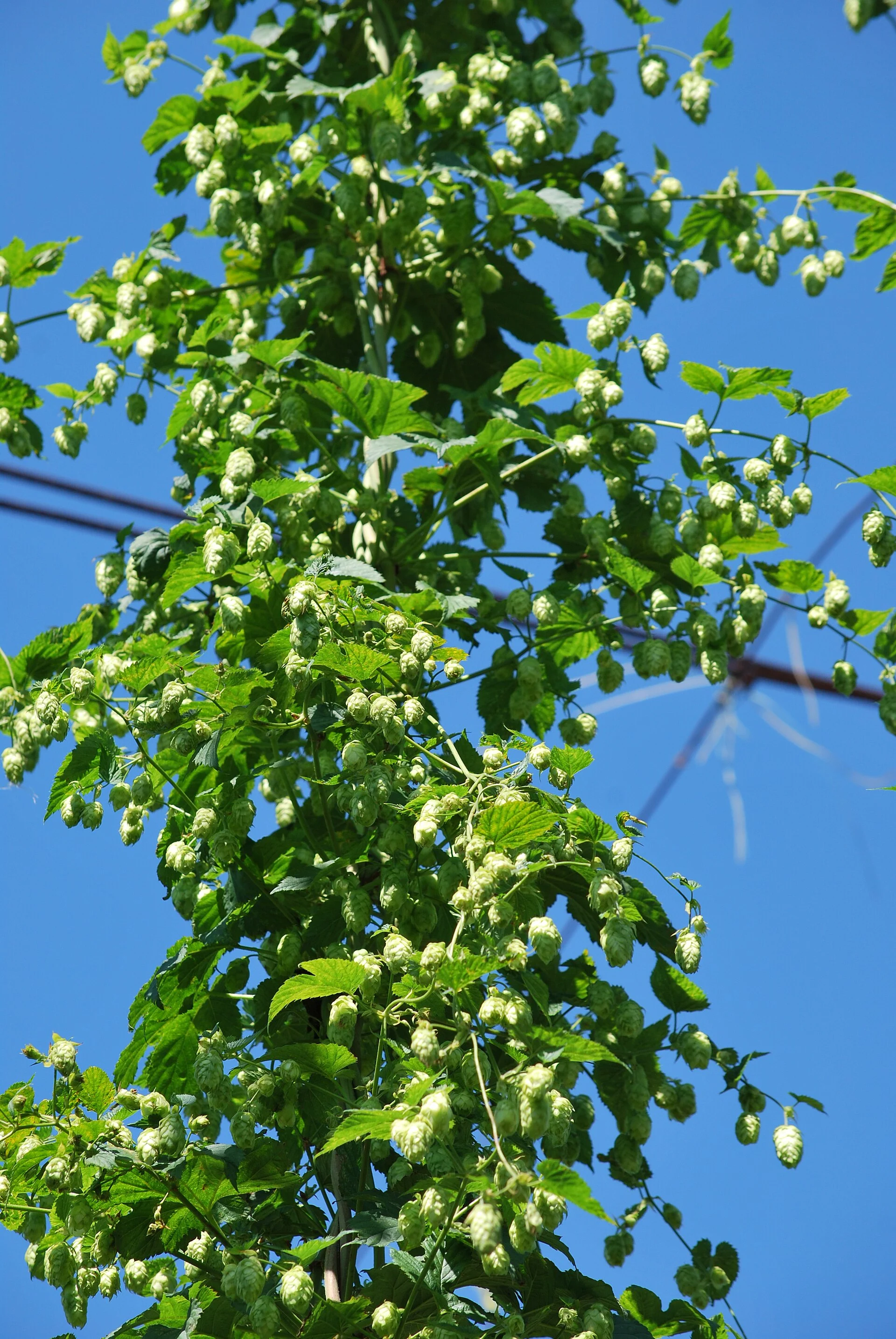
Example: Sierra Nevada Celebration IPA is a fresh hop IPA, available only from October to December. Sierra Nevada says it has no spices, and that its citrus and pine flavors come from Cascade and Centennial hops picked during the annual harvest. Our fresh hop beer guide explains the style.
Why do imperial stouts show up in winter?
Strong, dark, slow-sipping beer suits long nights. CraftBeer.com's imperial stout page calls the American version the strongest in alcohol and body of the stouts, with a rich malt flavor of bittersweet chocolate, cocoa, and coffee.
For more, read what imperial stout is, how barrel aging changes beer, or see where it fits in our stout family guide.
Is barleywine a winter beer?
Often, yes. The BJCP American Barleywine guide describes barleywine as traditionally the strongest ale a brewery offers, often associated with the winter season and vintage-dated. It runs 8% to 12% ABV and is meant for slow sipping. American versions are hoppier and more bitter than English ones.
A quick guide to holiday beer styles
| Style | What to expect | Glass and temperature (CraftBeer.com) |
|---|---|---|
| Spiced Christmas ale | Malty, dried fruit, holiday spice | Varies with the base beer |
| Winter warmer | Malty, toffee, dried fruit, usually unspiced | No single guideline |
| Belgian Christmas ale | Dark fruit, peppery yeast, lively carbonation | Tulip, 50 to 55°F (quadrupel) |
| Doppelbock | Very malty, toasted bread, smooth lager | Tulip, 45 to 50°F |
| Imperial stout | Chocolate, coffee, roast, full body | Snifter, 50 to 55°F |
| Barleywine | Caramel, toffee, fruit, strong alcohol | Snifter, 50 to 55°F |
| Fresh hop IPA | Citrus, pine, bitter, no spice | Drink it fresh |
How should you serve Christmas beer?
Serve it cool, not ice cold. CraftBeer.com lists 50 to 55°F for American barley wine, imperial stout, English-style old ale, and Belgian-style quadrupel, and 45 to 50°F for doppelbock. If the beer comes straight from a cold fridge, give it a few minutes on the counter. Our beer temperature guide covers why very cold beer hides aroma.
For glassware, CraftBeer.com recommends a snifter for barleywine, imperial stout, and old ale, and a tulip for doppelbock and quadrupel. If you own neither, one clean glass with room for foam will do. Read does the beer glass matter before buying anything new.
Pour small. Many of these beers are strong, so check the label and see what ABV means before you plan a second round. Strong bottles are good for sharing.
What food goes with Christmas beer?
Match the weight of the beer to the weight of the food. Brewery and CraftBeer.com pairing notes give you a head start:
- Spiced Christmas ale: Great Lakes suggests roast duck, spiced desserts, and sugar cookies for its Christmas Ale.
- Winter warmer and old ale: CraftBeer.com pairs English-style old ale with roast beef and lamb, Double Gloucester cheese, and spiced plum walnut tart.
- Belgian Christmas ale: CraftBeer.com pairs quadrupel with roasted duck, aged Gouda, and bread pudding.
- Doppelbock: Pork or ham, strong cheeses, and German chocolate cake.
- Imperial stout: Foie gras, aged cheeses, and flourless chocolate cake.
- Barleywine: Beef cheek, strong blue cheese, and rich desserts.
Our beer and food pairing guide covers the basics behind these picks, including why the beer should be at least as sweet as the dessert.
How long do Christmas beers keep?
It depends on the style. Hoppy holiday beers should be drunk fresh. Sierra Nevada says fresh hop beers are brewed right after harvest to capture maximum hop aroma and flavor, and the CraftBeer.com cellaring guide notes that hop taste, aroma, and bitterness fade over time.
Strong, malty beers can change in interesting ways. That same guide suggests beers at 8% ABV or more are better candidates for aging, and lists what to expect: alcohol softens into sweetness, roast mellows, Belgian yeast spice can turn toward vanilla, leather, or tobacco, and the body thins. Change is not always improvement, so taste a fresh bottle first.
If you want to save a bottle for next December, keep it cool, dark, and upright. Our guides to storing beer at home and whether beer expires explain what printed dates mean.
Related questions
Is Christmas beer stronger than regular beer?
Usually. The BJCP says winter seasonal beers are generally above 6% ABV, but strength varies by base style, so check the label.
Are all Christmas beers spiced?
No. Spiced versions are mainly an American and Belgian tradition. Winter warmers and fresh hop holiday IPAs often have no added spice.
What is the difference between a Christmas ale and a winter warmer?
The names overlap. Christmas ales more often include holiday spices, while winter warmers usually rely on rich malt without them.
When do Christmas beers come out?
Many arrive in October. Great Lakes, Tröegs, and Sierra Nevada all list October as the start of their holiday releases.
Sources
- BJCP 2021: Winter Seasonal Beer (30C)
- BJCP 2021: British Strong Ale (17A)
- BJCP 2021: Belgian Dark Strong Ale (26D)
- BJCP 2021: Doppelbock (9A)
- BJCP 2021: American Barleywine (22C)
- CraftBeer.com (Brewers Association): Randy Mosher on winter warmers
- CraftBeer.com (Brewers Association): My holiday ale wish for you
- CraftBeer.com (Brewers Association): Beer styles built for cellaring
- CraftBeer.com (Brewers Association): American barley wine
- CraftBeer.com (Brewers Association): American imperial stout
- CraftBeer.com (Brewers Association): German-style doppelbock
- CraftBeer.com (Brewers Association): English-style old ale
- CraftBeer.com (Brewers Association): Belgian-style quadrupel
- Great Lakes Brewing Co.: Christmas Ale
- Tröegs Independent Brewing: Mad Elf
- Sierra Nevada: Celebration IPA
- Sierra Nevada: Best winter beers, brewers' picks
- Deschutes Brewery: Jubelale